

Great Sphinx of Giza
Last updated on August 5, 2026Overview
The Great Sphinx of Giza is a colossal limestone statue with the body of a lion and a human head, carved directly from the bedrock of the Giza Plateau more than 4,500 years ago. It stands as one of the oldest and largest monumental sculptures on Earth, and, alongside the Great Pyramids that rise directly behind it, forms one of the most recognizable images of ancient Egypt anywhere in the world.
Despite its fame, the Sphinx remains genuinely mysterious in places — its exact purpose, and even the identity of the pharaoh its face was carved to represent, are still debated by Egyptologists rather than definitively settled.
Quick Facts
- Type: Famous Wonder, Monument, Historic Place, Statue, Egyptian
- Visitor access: Open to visitors
- Built: c. 2500 BCE
- Built by: Widely attributed to Pharaoh Khafre
- Architectural style: Old Kingdom Ancient Egyptian
- Height: 20 m
- Size: 73 m long
- UNESCO World Heritage Site: Yes
Visit Responsibly
As one of the world's oldest and most fragile monumental sculptures, the Sphinx is protected by restricted access rules (no climbing, and close approach limited to the separately ticketed enclosure) that exist specifically to prevent further erosion and damage — respecting these rules matters more here than at almost any other site on this list. Persistent, sometimes aggressive touting for tours, camel rides, and souvenirs around the Giza Plateau is a well-documented feature of a visit here; polite firmness and pre-arranged transport/guiding (rather than accepting offers on the spot) generally leads to a smoother visit.
Where it is
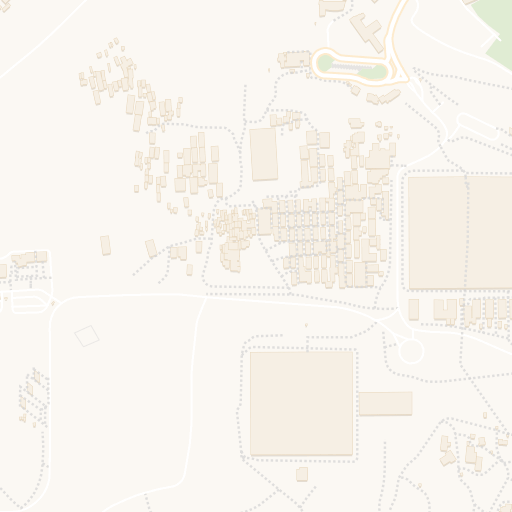
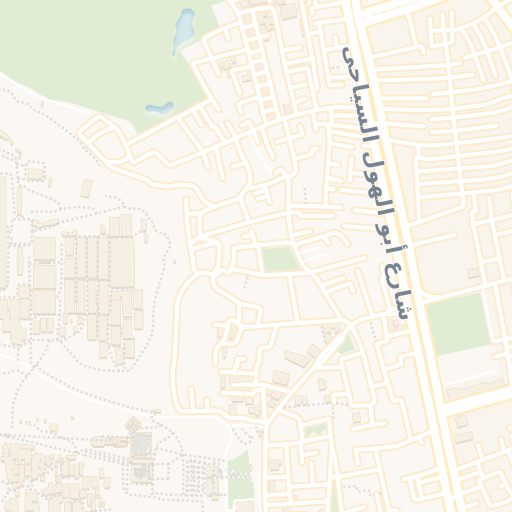
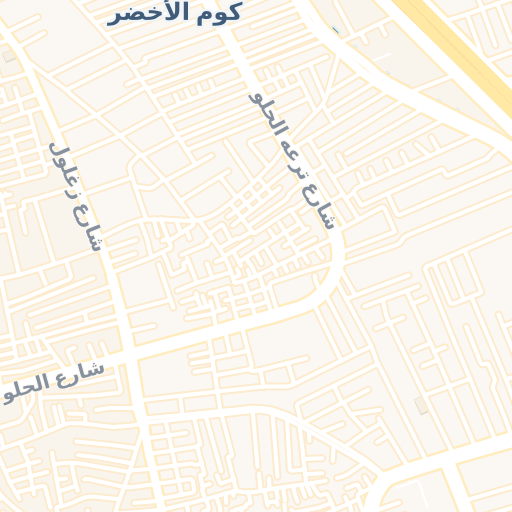
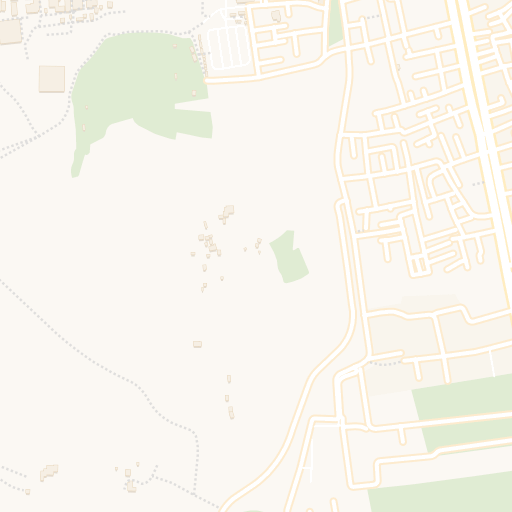
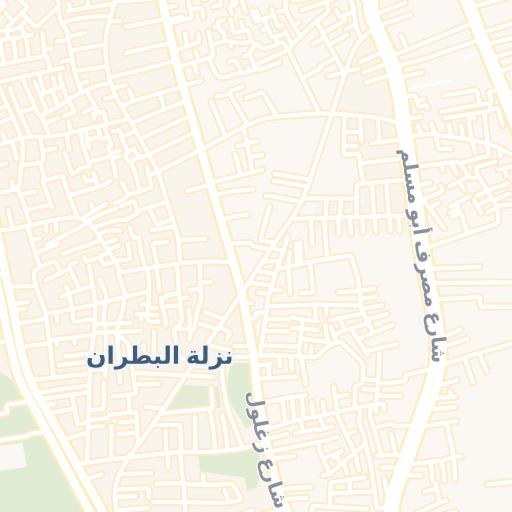
Get directions Open in Apple Maps
© OpenStreetMap contributors · © CARTO · 29.97528, 31.13751
Plan Your Visit
The Sphinx is included within the Giza Plateau's general admission ticket, alongside the pyramids themselves, and is typically visited as part of the same outing — most visitors approach it via a viewing area in front of the statue rather than walking directly up to it, since close access is restricted to protect the fragile limestone. A separate, additional ticket is required to enter the Sphinx enclosure itself for a closer view.
The site can be genuinely crowded and involves considerable walking and sun exposure across the wider plateau; sun protection, water, and comfortable shoes matter as much here as at any of the pyramids themselves.
When to Visit
Cairo's cooler months (roughly November to February) are the most comfortable for a Giza Plateau visit, avoiding the extreme heat that builds across the open, largely unshaded desert site through the summer. Arriving at opening time is the most effective way to see the Sphinx with fewer crowds and in better light for photography, since the site draws large numbers of visitors throughout the day.