

Castel San Pietro
Última actualización el 9 de noviembre de 2026Castel San Pietro es una terraza panorámica sobre el Adigio, mientras que el imponente edificio de detrás es un cuartel militar austriaco y no el interior de un castillo abierto a la visita habitual. La colina ha albergado enclaves estratégicos y religiosos desde la Antigüedad, lo que da al mirador una historia mucho más larga de lo que sugiere el edificio del siglo XIX.
La terraza domina el Ponte Pietra, el teatro romano y el centro histórico de Verona. Una escalinata sube desde la ribera, mientras que el funicular de Castel San Pietro ofrece un ascenso más corto durante sus horas de servicio.
El reto para quien visita
There is no castle to go into. The building on the hill is a nineteenth-century Austrian barracks and is closed to ordinary sightseeing, which regularly surprises people who have just climbed for twenty minutes expecting an interior. What is open is the terrace, and that is the whole visit.
Getting up is the other difficulty: the stair from the riverside is steep, fully exposed and punishing in summer, and the funicular that spares you it keeps shorter hours than the terrace does — the descent is what catches people out. Sunset draws the heaviest concentration of the day onto a parapet that is not especially long.
Consejos y estrategia de visita
Cuándo ir
Sunset is the standard answer and it is the right one -- the terrace faces west over the whole city, with the Adige, Ponte Pietra and the Roman theatre directly below.
It is correspondingly busy in the hour before sunset; arriving forty minutes early gets you a place at the parapet.
Clear winter days give the sharpest views, sometimes as far as the Alps, and almost nobody is up there.
Spring and autumn are best for walking up; the stairway is steep and fully exposed, and is punishing in July and August.
The terrace is free and always open; the funicular has fixed hours, so check the last descent if you go up for the sunset.
Cómo aprovecharlo al máximo
Go up by the funicular and walk down. The stair is steep, fully exposed and takes ten to fifteen minutes, which is a different proposition climbing than descending — and confirm the last descent before you rely on the funicular to bring you back, because its hours are shorter than the terrace's.
The terrace is free and always open; the building behind it is a former barracks and is not. If you have come for the sunset, be at the parapet forty minutes early. Walking down past the Roman theatre to Ponte Pietra is the route worth taking.
Cuánto cuesta
The terrace costs nothing and never closes. The view — the Adige bend directly below, Ponte Pietra, the Roman theatre under your feet and the old city running west — is free at any hour of any day, which is the whole reason to come.
The building behind it is not visitable at all, at any price. It is a nineteenth-century Austrian barracks, closed to ordinary sightseeing, and it looks far more like a castle than its history warrants.
Getting up is where money comes in. The stairway from the riverside is free. The funicular is a paid ride that does the same climb in a little over a minute: €3.00 return, €2.00 for a single leg in either direction. It runs every day except 25 December and 1 January, 10:00–21:00 from April to October and 10:00–17:00 from November to March.
The reductions are for residence and age rather than for tourists. A return costs €2.00 for residents of the province of Verona, for under-10s, for over-65s and for groups of fifteen or more, and €1.00 for an under-10 or over-65 who is also a resident; a single leg is €1.50 for residents. It is free for children under two, for a disabled passenger travelling with a companion, for tourist guides, and for teachers accompanying a school party.
The thing to watch is the last ride, not the fare. The terrace never closes but the lift does, and from November to March it stops at 17:00 — about when the sun goes down in midwinter. Check it before you go up for the light, because the alternative is the stair.
Verificado en Funicolare di Castel San Pietro (AGEC), noviembre de 2026.
Cómo llegar y entrar
Entrada: Gratis · Free public viewpoint; a funicular ride up has a small separate fare
Gratis, pero el edificio no es la visita
La terraza es pública y no cuesta nada. El edificio de detrás es un antiguo cuartel austriaco y no está abierto a la visita ordinaria, lo que sorprende a quien ha subido esperando el interior de un castillo. A lo que vienes es a la vista.
Cómo subir
Dos opciones. La escalinata desde la ribera junto al Ponte Pietra es directa, empinada, y a la mayoría le lleva de diez a quince minutos. El funicular lo hace en un minuto aproximadamente y es de pago; sus días y horas varían según la temporada y el tiempo, así que confírmalo antes de contar con él, sobre todo para la bajada, que es el trayecto en el que la gente se queda atrapada.
El momento
Lo mejor: una hora antes del atardecer. La luz ya está sobre la ciudad, la terraza aún no está llena, y todavía puedes llegar al pretil.
A evitar: el atardecer mismo en verano, cuando la terraza y las callejuelas residenciales de detrás reciben la mayor concentración del día. La primera hora de la mañana es la más tranquila, aunque entonces la ciudad queda a contraluz.
En la terraza
Hay poca sombra y prácticamente ningún servicio. El teatro romano queda justo debajo y es un recinto de pago aparte, al que se accede desde la ribera y no desde la terraza de arriba.
Verificado en Visit Verona, octubre de 2026.
Accesibilidad del lugar
The funicular is what makes this viewpoint reachable without a climb, and it is an inclined lift rather than a cable car. It rises from the riverside near Ponte Pietra in a little over a minute and runs all year — 10:00–21:00 from April to October, 10:00–17:00 from November to March, every day except 25 December and 1 January. A disabled passenger travelling with a companion rides free, which the operator sets out in its own fare table rather than leaving to be asked for.
Getting into the lower station means asking for help. The main entrance is a stairway. There is a side entrance, on the right as you face the building, served by a small lift that a member of staff has to operate. A 2017 survey by disMappa, the Verona association that maps the city for wheelchair users, found that side entrance unsignposted, approached across some gradients, and called by ringing a blue bell; it also recorded two reserved disabled parking spaces in the forecourt, accessible and equipped toilets at both the lower and the upper station, and a guided route for blind visitors.
The terraces at the top are the catch, and it is a real one. That same survey found steps up onto both panoramic terraces — the smaller one you meet first and the wider one beyond it — so arriving at the summit by lift does not in itself put you at the parapet. A ramp broken by landings leads down to the piazzale below, which the survey calls comfortable in a wheelchair, with a metal handrail that gets hot in summer sun. These are 2017 observations by a third party and the operator publishes nothing on the point, so read them as the best account available rather than as today’s certainty.
The alternative on foot is hard. The stairway from the riverside is steep, completely exposed and takes most people ten to fifteen minutes — genuinely punishing in July and August.
The descent is what catches people out. The terrace never closes while the lift stops for the night, so it is possible to come up for the last of the light and find that the only way down is the stair, in the dark, on an open slope.
Datos rápidos
- Tipo: Complejo monumental, Lugar histórico, Castillo
- Acceso de visitantes: Abierto a los visitantes
- Entrada: Gratis
- Construido: 1852-1856, on a site fortified since antiquity
- Construido por: The Austrian army
- Construido para: a garrison barracks overlooking the city
- Estilo arquitectónico: 19th-century military
- A barracks, not a castle: The building on the hill is an Austrian barracks of the 1850s. The medieval castle it replaced was destroyed by Napoleonic troops in 1801, and the name is all that carried over.
- Where Verona began: The hill held the earliest settlement and later a Roman temple, so the city’s oldest ground is the one place from which the whole of it can be seen.
Dónde está
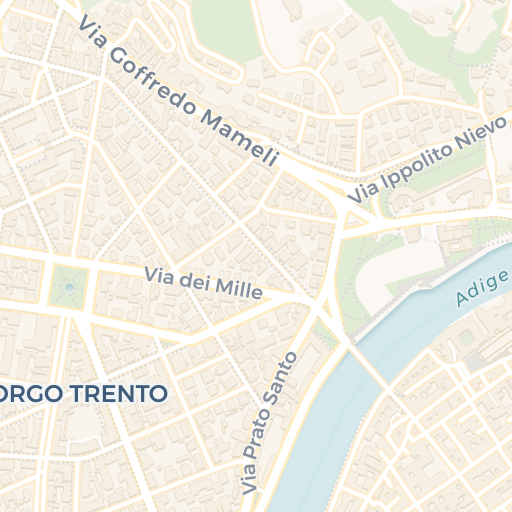
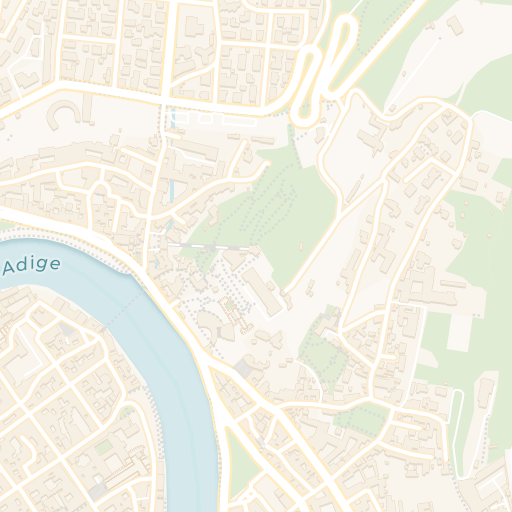
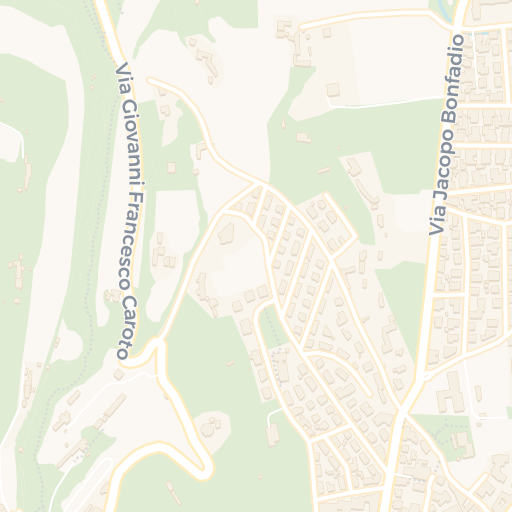
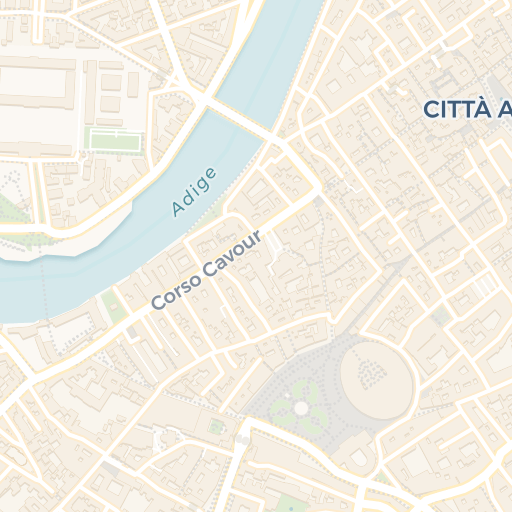
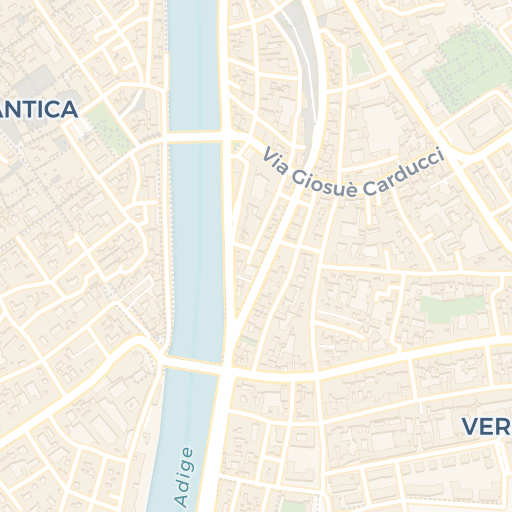
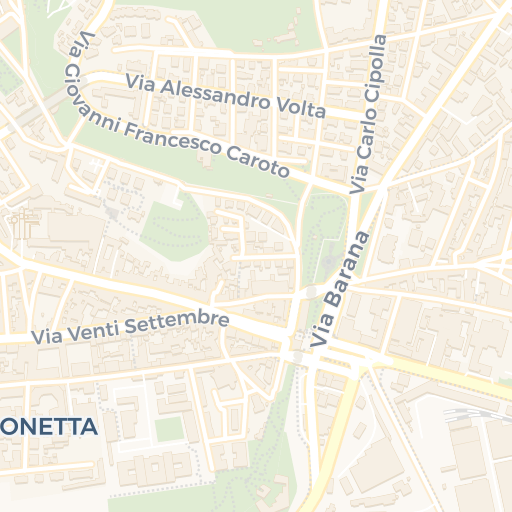
Cómo llegar Abrir en Apple Maps
© OpenStreetMap contributors · © CARTO · 45.44802, 11.00297
Visita responsable
El atardecer trae la mayor concentración de visitantes a la terraza y a las callejuelas residenciales cercanas. Repartirse a lo largo del mirador en vez de agolparse en su centro hace la panorámica más fácil de compartir y reduce el ruido en las calles de acceso.