

Scavi Scaligeri
Dernière mise à jour le 9 novembre 2026Sous la cour du palais de justice, à quelques pas de la piazza dei Signori, s’étend une tranche fouillée de Vérone qui descend à travers la ville médiévale jusqu’à la romaine.
Elle a été découverte lors de travaux dans les années 1980 et laissée ouverte. Maisons romaines, sols de mosaïque, rues et égouts se trouvent sous des fondations scaligères plus tardives, le tout sous une couverture moderne.
Fait inhabituel, l’espace est utilisé et non simplement montré : il abrite le centre international de photographie de la ville, et les expositions sont accrochées au milieu des ruines. Cela vaut donc la peine de regarder ce qui est à l’affiche — et cela signifie que l’ouverture suit le calendrier des expositions plutôt que celui d’un musée.
La difficulté pour les visiteurs
Opening is tied to the exhibition programme rather than to museum hours, and between shows the site shuts altogether — it has been closed to the public since 2 November 2026 while the next exhibition goes in. This is the one place in Verona where turning up unchecked is likely to waste the trip.
What is on show is stratigraphy left where it was found rather than objects in cases, which is a harder thing to read than a museum display. And the way in is a staircase down into the excavation; the site is listed as accessible to disabled visitors but nobody publishes how, so that needs a phone call rather than an assumption.
Conseils et stratégie de visite
Quand y aller
Whenever an exhibition is running -- that is the operative constraint, and it is worth checking the programme rather than turning up.
Summer afternoons have a practical appeal: it is underground and cool, and Verona above is punishing in July and August.
Any season otherwise; the site is entirely indoors.
Weekday afternoons are quietest.
En profiter vraiment
Check the exhibition programme before you travel. Opening here is tied to whatever is installed rather than to museum hours, and between shows the site closes entirely — as it is now, since 2 November 2026. Establish that first; nothing else about the visit matters if the door is shut.
Once inside, read it as depth rather than as objects: Roman houses, a mosaic floor with geometric and animal motifs, a paved limestone street and its vaulted drain, with medieval tombs and Scaliger foundations driven down through them from above. Allow three quarters of an hour.
If the stairs are a problem, ring before you go rather than on arrival — the descent into the excavation is by staircase, and how disabled access is arranged is not something the site publishes.
Ce que ça coûte
A ticket is charged and nobody publishes the price. The Veneto archaeological inventory records only that admission is ticketed and that the site opens during exhibition hours; neither it nor the comune lists a tariff, which moves with whatever show is installed.
At the moment there is nothing to buy. The comune states that the site has been closed to the public since 2 November 2026 while the next exhibition is installed, and gives no reopening date. That is this venue's normal rhythm rather than an interruption of it — an exhibition space that happens to stand inside an excavation shuts between shows.
So the cost question here is really a timing question. Establish that something is open before you build an afternoon around it, on +39 045 8013732 or scaviscaligeri@comune.verona.it, and ask the price of the current show in the same call. Whether a Verona Card covers it is not published either, so that is worth asking at the same time rather than assuming.
Vérifié auprès de Comune di Verona, novembre 2026.
S'y rendre et entrer
L’ouverture est liée au programme d’expositions, et non à des horaires de musée fixes. Quand aucune exposition n’est installée, le site est souvent entièrement fermé — vérifiez avant de vous déplacer.
Un droit d’entrée est demandé quand une exposition a lieu, et il est généralement couvert par la Verona Card.
L’entrée est sur le Cortile del Tribunale, à une minute de la piazza dei Signori et des Arches scaligères.
Prévoyez quarante-cinq minutes à une heure, selon l’exposition.
Le site est souterrain, atteint par des escaliers, avec un ascenseur disponible ; les passerelles elles-mêmes sont de plain-pied. Renseignez-vous à l’arrivée si un accès sans marches vous importe.
Venez pour l’exposition autant que pour les ruines — si vous ne voulez que l’archéologie, le musée du théâtre romain en offre davantage.
Vérifié auprès de ArcheoVeneto, novembre 2026.
Accessibilité du lieu
The only documented way in is a staircase. The entrance is in the Cortile del Tribunale, on the Piazza Viviani side, and the comune's own account of the visit begins by going down the stairs into the excavation. Once you are down, the route itself is level — raised metal walkways carry you above the Roman floors rather than across them.
Disabled access is recorded but never described. The Veneto archaeological inventory lists this site as having disabled accessibility, along with toilets inside the excavation and a bookshop. Neither that inventory nor the comune says how the access works — whether by a lift, a separate entrance, or staff assistance — so the useful thing is to ask before travelling, on +39 045 8013732 or scaviscaligeri@comune.verona.it. They are the same people to ring about the exhibition programme, so it is one call.
Not published, and not guessed: whether any lift serves the descent, and whether the walkways stay wide enough for a wheelchair along their whole length.
The site is entirely indoors and artificially lit. That makes the surface even and the temperature steady, but the light is low throughout, which matters if you read by it.
Informations essentielles
- Type: Lieu historique
- Réservation: Non requise — billets sur place
- Visite typique: Environ 40 minutes
- Construit: Roman to medieval layers; excavated from the 1980s
- A gallery inside an excavation: Rather than roofing the site as a conventional museum, the city made it the Centro Internazionale di Fotografia -- so exhibitions hang among Roman mosaics, and opening follows the exhibition calendar.
- The city in cross-section: Roman houses, mosaics and a paved street lie beneath Scaliger foundations cut down into them, with the modern courtyard overhead.
Où se trouve-t-il
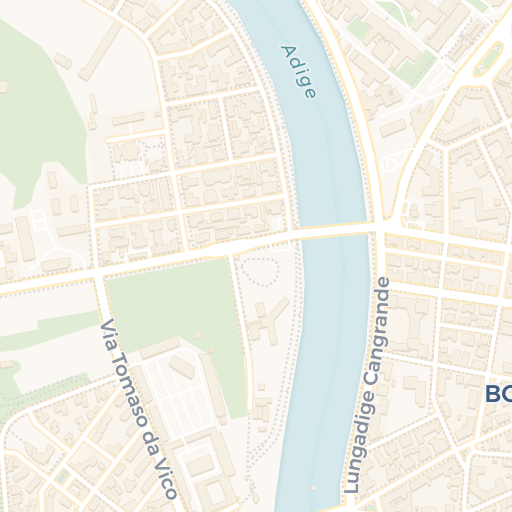
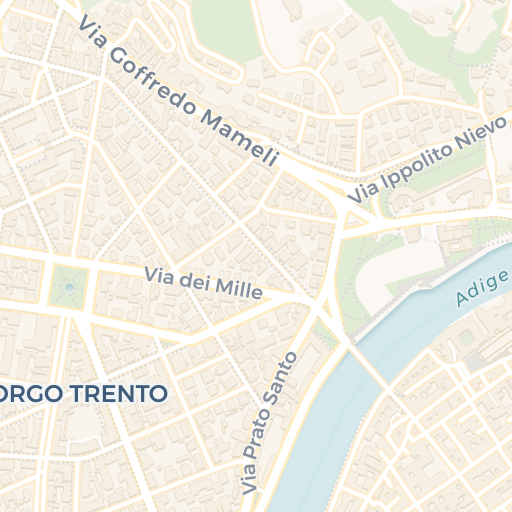
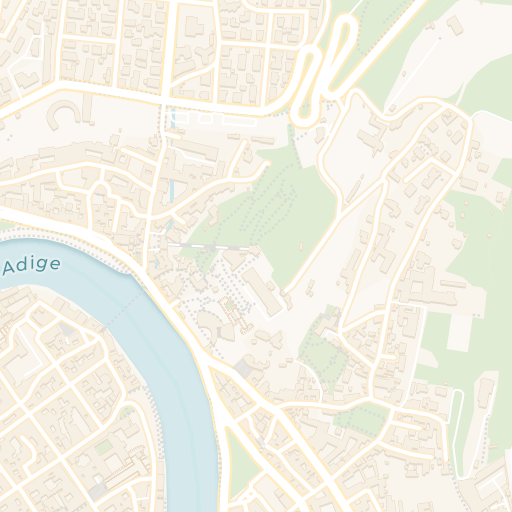
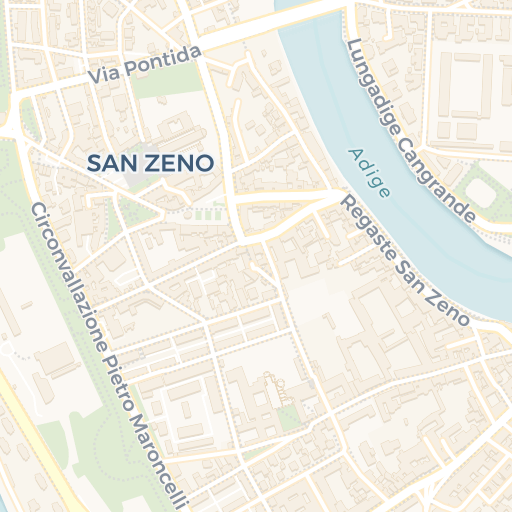
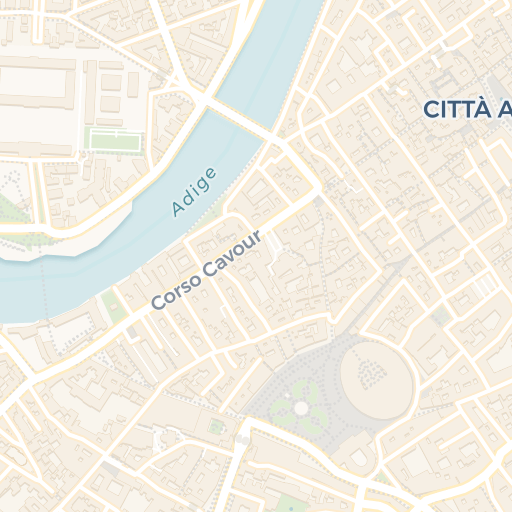
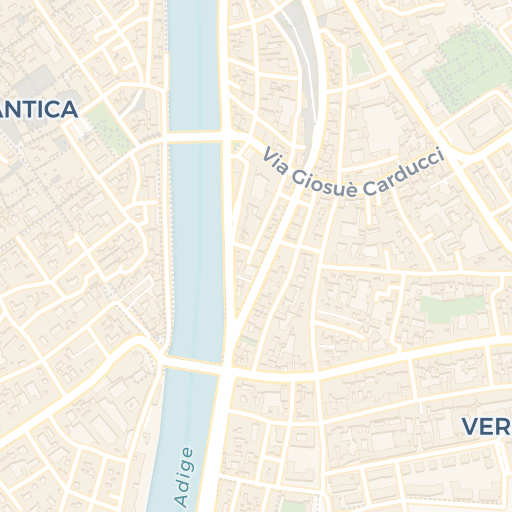
Itinéraire Ouvrir dans Apple Plans
© OpenStreetMap contributors · © CARTO · 45.4436, 10.9969
Visite responsable
Tenez-vous sur les passerelles. Elles existent pour que personne ne marche sur la mosaïque romaine, et l’archéologie en dessous n’est pas mise à distance comme le serait une vitrine de musée.
Les règles de photographie suivent l’exposition installée — souvent aucune photographie du tout, vu les œuvres montrées. Demandez plutôt que de supposer.
Ne touchez pas la maçonnerie ni les bords de mosaïque.
Acheter un billet, ou utiliser la Verona Card, est ce qui maintient une fouille de ce genre ouverte et surveillée plutôt que scellée et remblayée.