

Rio Celeste
Last updated on August 5, 2026Overview
Río Celeste ("Sky-Blue River") is a striking, naturally turquoise-blue river inside Tenorio Volcano National Park in northern Costa Rica, named for a color so vivid it looks artificially tinted. The river's hue is a genuine geological phenomenon rather than pollution or dye — a chemical reaction between two clear, colorless tributaries that occurs at a specific meeting point known locally as "Los Teñideros" (the dyeing pools).
The river and its accompanying waterfall are among Costa Rica's most photographed natural attractions, reached via a moderate hiking trail through primary rainforest inside the national park.
Quick facts
- Type: Nature, Waterfall
- Visitor access: Open to visitors
- Round-trip trail length: About 6 km (3.7 mi)
Visit responsibly
Río Celeste's ecosystem is genuinely fragile — the mineral balance responsible for its famous color can be disrupted by pollution, and the swimming restriction in most of the river exists specifically to protect this. Staying on marked trails, not touching or disturbing the water outside designated areas, and packing out all trash are simple but important ways to help preserve the river for future visitors. The park's daily visitor cap also exists for real conservation reasons, not just crowd management — respecting it (rather than seeking ways around it) supports the park's own long-term sustainability.
Where it is

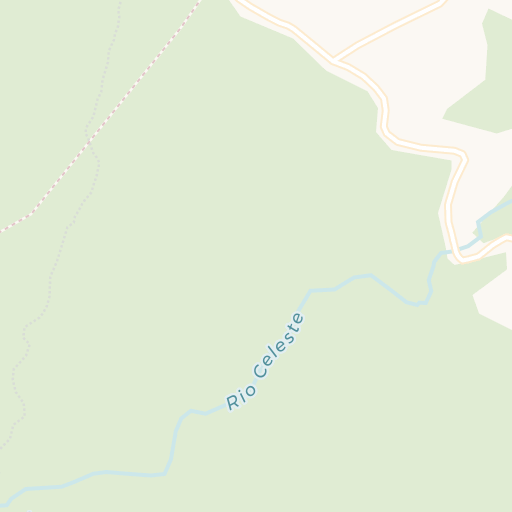

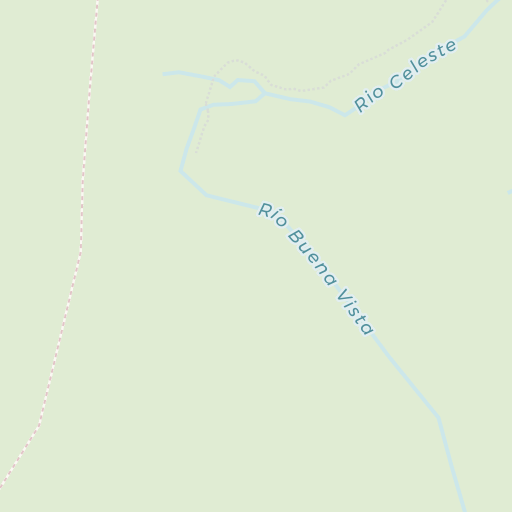
Get directions Open in Apple Maps
© OpenStreetMap contributors · © CARTO · 10.70358, -84.99077
Plan your visit
The main trail to Río Celeste is roughly 6 kilometers (about 3.7 miles) round trip and involves some genuinely steep, sometimes muddy sections, particularly near the waterfall viewpoint — sturdy footwear is important rather than optional. The park has a daily visitor cap and requires an entrance fee paid at the ranger station; arriving early in the day both improves the chances of entry during peak season and offers better light for photographing the waterfall.
Swimming is prohibited in most of the river to protect its ecosystem and mineral balance, though a designated swimming area exists near the park entrance — checking current park rules before visiting helps avoid disappointment or an on-site fine.
When to visit
Costa Rica's dry season (roughly December to April) offers the most reliable trail conditions and the clearest views of the river's color, since heavy rain can temporarily cloud the water and make the trail considerably muddier and more difficult. The green season (May to November) still offers good visits between rain showers, with the added benefit of noticeably fewer crowds on the trail.