
Mathildenhöhe
Overview
Home to the Darmstadt Artists’ Colony, Mathildenhöhe was founded in 1899 by Ernest Ludwig, Grand Duke of Hesse with the aim of radically reforming the arts in his region. Art Nouveau artists Peter Behrens, Paul Bürck, Rudolf Bosselt, Hans Christiansen, Ludwig Habich, Patriz Huber and Joseph Maria Olbrich were invited to live and work in the colony, with their work financed by wealthy patrons.
Mathildenhöhe has been recognized as a UNESCO World Heritage Site for its role in the development of architectural Modernism. Its buildings, sculptural works and gardens provide a unique ensemble reflecting the experimental creativ-ity spanning the years 1901 to 1914. Four exhibitions were held throughout the period, during which a number of pioneering buildings were created, complete with interior decorations, surrounding gardens and sculptural works that com-bined to make “Gesamtkunstwerk” (total artworks).
The First Exhibition took place in 1901 with the title “A Document of German Art” and featured the colony’s houses and studios. The Second Exhibition of 1904 included mostly temporary constructions, including three interconnected houses that were designed to demonstrate living for the middle classes. The Third Exhibition of 1908 was open to artists and craftspeople from across Hesse with the aim of illustrating modern forms of living that were attainable on small budg-ets, while the focus of the Fourth Exhibition in 1914 was on rental residences.
The building that once housed the artists’ workshops now features a museum detailing the colony, its history and the creative output. Interior design elements, furnishings, textile works, paintings and architectural models are all displayed, as well as ceramics and glass works.
Quick facts
- Type: Site Complex, Historic Place, Modern Architecture
- Visitor access: Open to visitors
Where it is
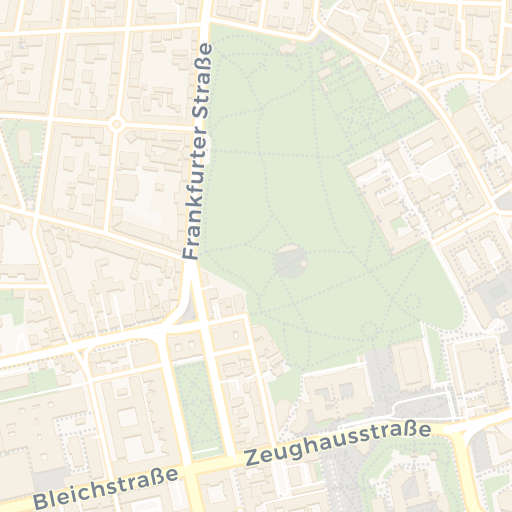
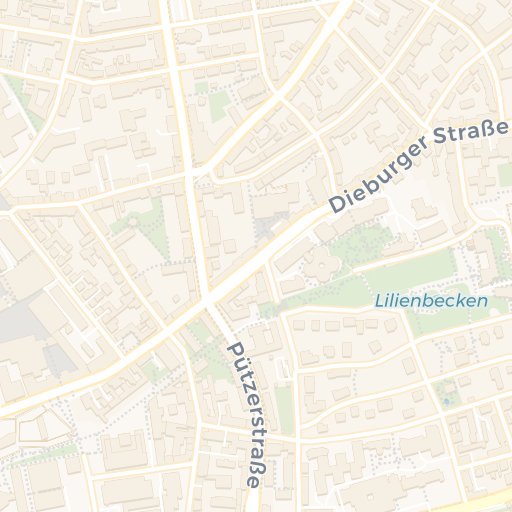
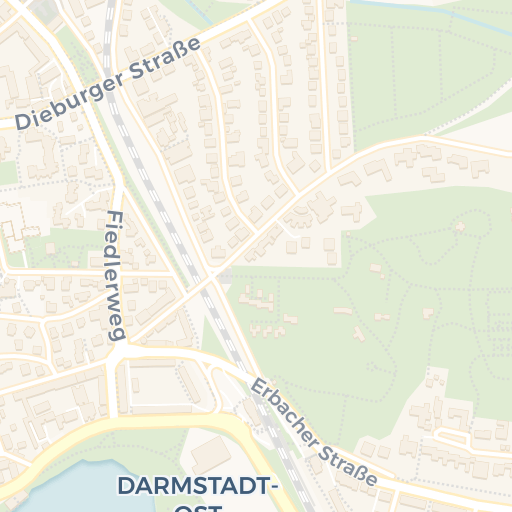
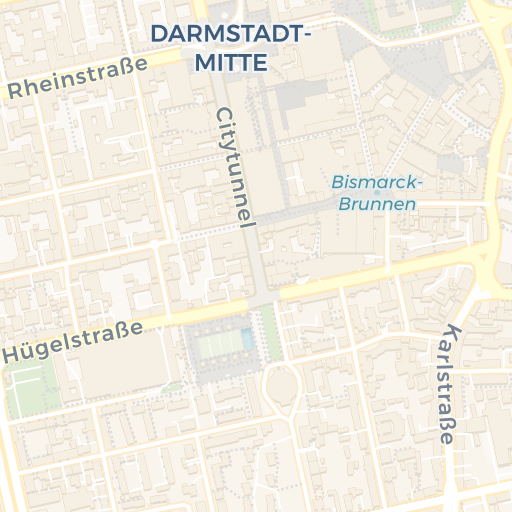
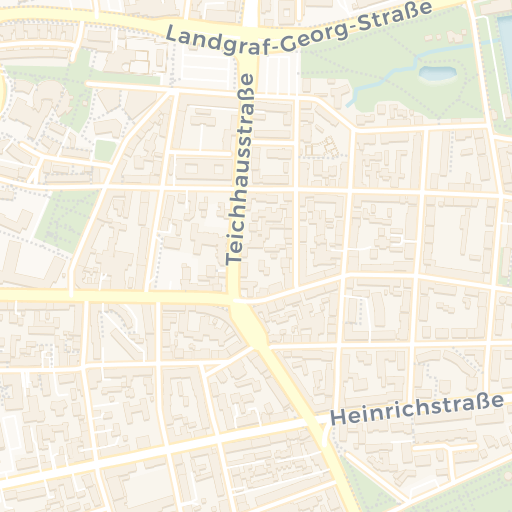
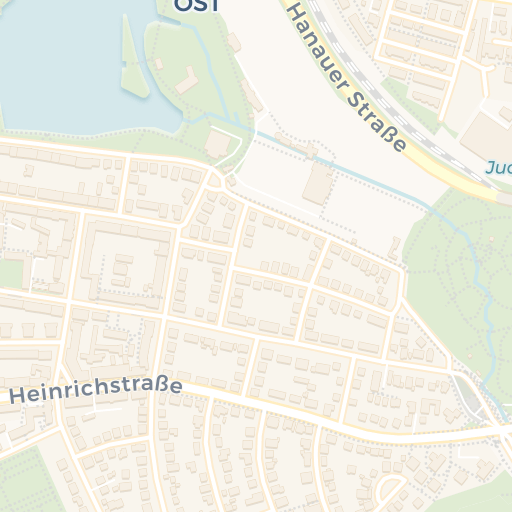
Get directions Open in Apple Maps
© OpenStreetMap contributors · © CARTO · 49.87684, 8.66651