
Holstentor
Overview
Marking the western boundary of Lübeck’s historic core, the Holstentor is a charismatic red-brick gate that has become a symbol of the city. Built in 1464, the Medieval Gothic construction is one of just two city gates that remain from Lübeck's medieval fortifications (with the other being the Burgtor (Citadel Gate)) and together with the Altstadt of Lübeck has been designated as a UNESCO World Heritage Site.
Having been beautifully restored after crumbling to ruins in the mid-19th century, the Holstentor is renowned for its twin pointed round towers and arched entrance. Above its entrance is the Latin inscription “Concordia Domi Foris Pax,” which translates as “Unity at Home and Peace Abroad.”
In front of the Holstentor stand two monumental iron statues of reclining lions that are attributed to Christian Daniel Rach, with one of the lions asleep while the other is wide awake. They were originally designed to be placed in front of the house of John Daniel Jacobj, an influential 19th-century Lübeck merchant and art collector. On the other side of the street stands a bronze statue known as the Striding Antelope by the sculptor Fritz Behn.
The Holstentor now houses the Museum Holstentor that explores the glory days of Lübeck's medieval mercantile years through artifacts, images and sound documentation. Discover the city’s Hanseatic trade links, power and wealth through the exhibits that include suits of armor, weaponry and historic ship models, and discover how the merchants of medieval Lübeck effectively put their city on the map.
Quick facts
- Type: Monument, Historic Place
- Visitor access: Open to visitors
Where it is
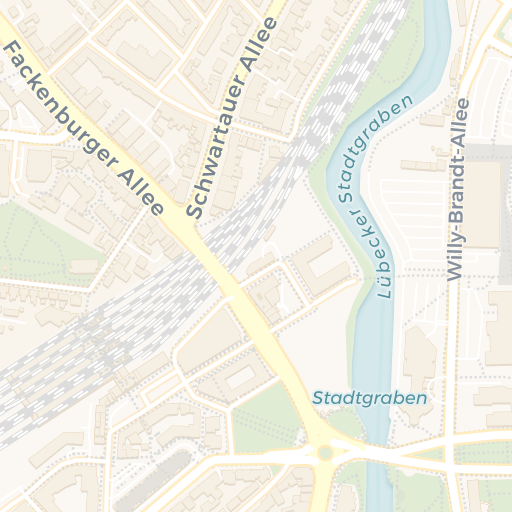
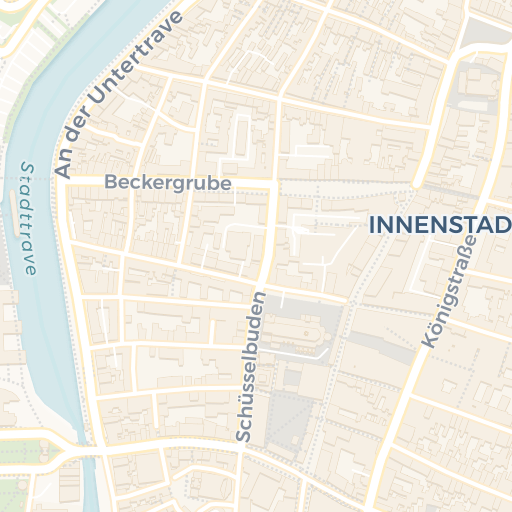
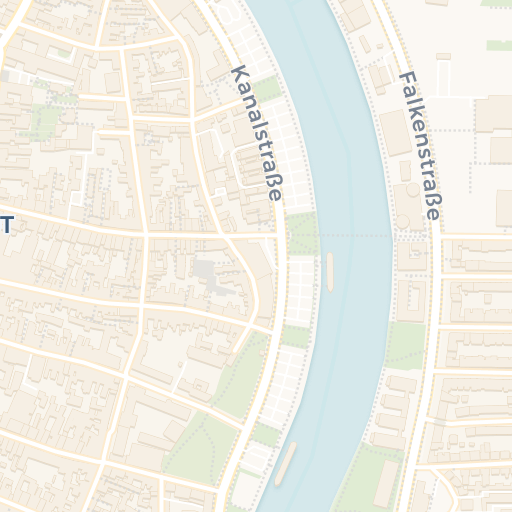
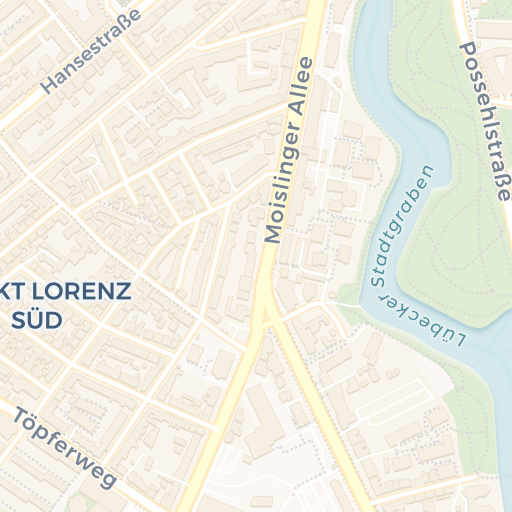
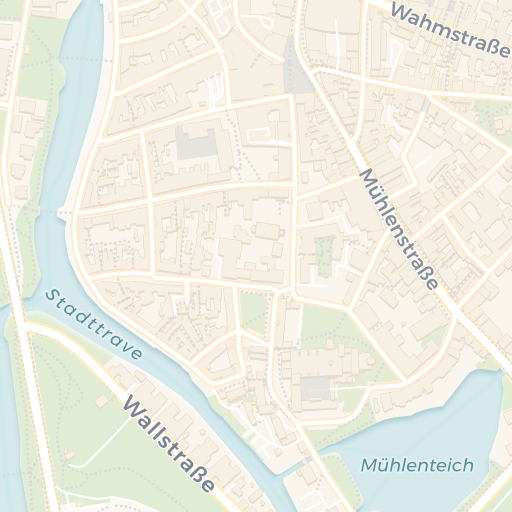
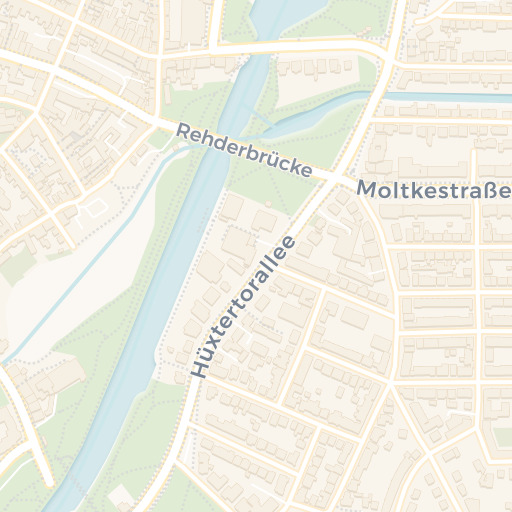
Get directions Open in Apple Maps
© OpenStreetMap contributors · © CARTO · 53.86627, 10.67968