
Wartburg
Overview
Located high up on a precipice overlooking the town of Eisenach, the Wartburg is a UNESCO World Heritage-listed castle that dates to the Middle Ages. It was the former home of St. Elisabeth of Hungary and where Martin Luther translated the New Testament of the Bible into German, as well as serving as inspiration for Ludwig II when he built his fairytale castle of Neuschwanstein.
The foundation of the castle was laid in the mid-11th century by Louis the Springer and was designed to guard the extreme borders of his territories. It is believed to have been the setting for the legendary Sängerkrieg that was later used as inspiration for Richard Wagner’s opera “Tannhäuser."
The largest building of the Wartburg is the 12th-century Palas, which is consid-ered one of the best-preserved Romanesque structures north of the Alps. Its Rittersaal and Speisesaal rooms have been reconstructed as accurately as possible and retain many original features, while other rooms reflect the castle during the 19th and 20th centuries. Be sure to admire the mosaics depicting the life of St. Elisabeth in the Elisabeth-Kemenate and the frescoes of the Sänger-krieg by Moritz von Schwind in the Sängersaal.
Other structures of note include the drawbridge and fortified barbican that have remained largely unchanged since the medieval period, as well as the 19th-century Bergfried that’s topped by a three-meter-tall cross. Visitors to the Wart-burg can admire paintings by Lucas Cranach the Elder and sculptures by Tilman Riemenschneider in the Neue Kemenate, as well as explore the Lutherstube in the Vogtei where Martin Luther once stayed.
Quick facts
- Type: Historic Place, Castle
- Visitor access: Open to visitors
Where it is
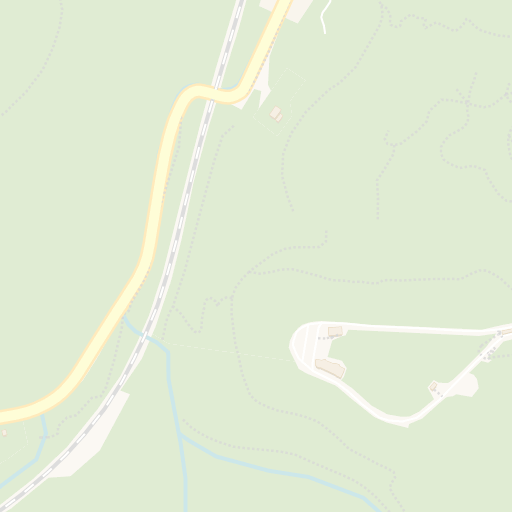
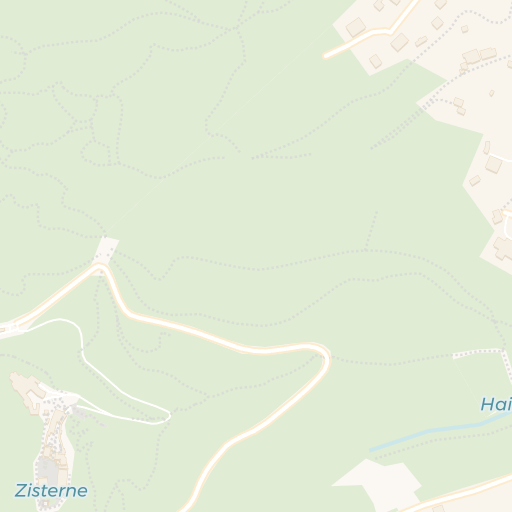
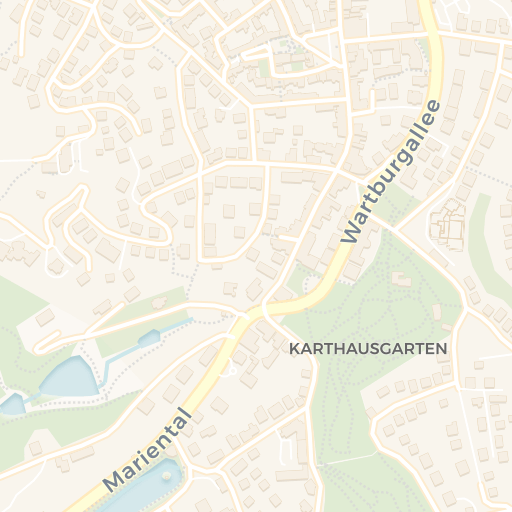

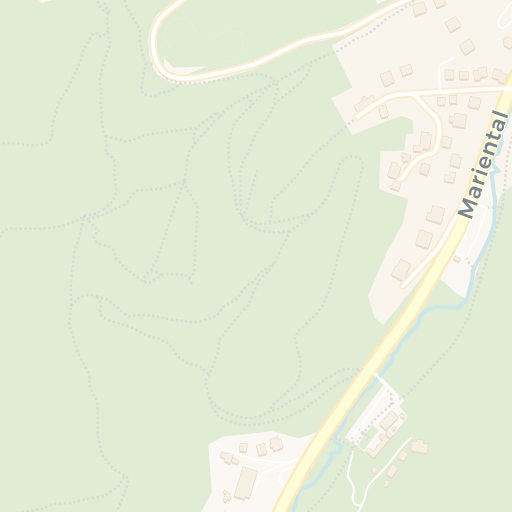
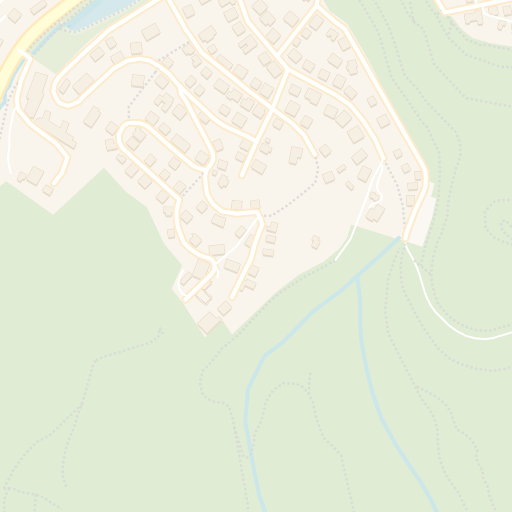
Get directions Open in Apple Maps
© OpenStreetMap contributors · © CARTO · 50.9659, 10.30631