

Hauz Khas Ruins
Last updated on October 19, 2026Why visit Hauz Khas Ruins
Hauz Khas is one of Delhi’s clearest examples of architecture organised around water. The reservoir was practical urban infrastructure; the madrasa, mosque and ruler’s tomb turned its edge into a place of learning, worship and commemoration. Their terraces still face the water together.
Crowds in the village and steep ruined stairs are the trade-off. Arrive near opening, begin at the tomb and use the reservoir view to orient both madrasa wings.
Visit if you:
- want to see a medieval college complex rather than one freestanding monument
- enjoy ruins whose layout becomes clear through views and level changes
- are interested in the link between Delhi’s water systems and its historic cities
Skip it if you:
- need an even, step-free route throughout
- expect the surrounding nightlife district to reflect the monument’s atmosphere
Quick facts
- Type: Site Complex, Building, Mausoleum, Historic Place
- Visitor access: Open to visitors
- Reservation: Not required — tickets on the door
- Built: Reservoir c. 1296–1316; main complex 1352–1354
- Built by: Alauddin Khalji and Firuz Shah Tughlaq
- Built for: Water supply, madrasa, mosque and royal tomb
- Architectural style: Delhi Sultanate, Tughlaq period
- Size: Madrasa arms approximately 76 m and 138 m
- Name meaning: Royal tank
- Firuz Shah’s tomb: 14.8 m square
Visit responsibly
Unprotected-looking walls are still historic fabric. Do not sit on fragile parapets, climb for rooftop photographs or cross a barrier because another visitor has done so.
The lake’s water quality depends on managed inflows and wetlands. Keep food, plastic and offerings out of the reservoir and use bins away from the edge.
Hauz Khas Village’s commercial identity can overwhelm the archaeology. Enter quietly, keep music outside the protected complex and let the madrasa remain a place where its original spatial order can be read.
Where it is
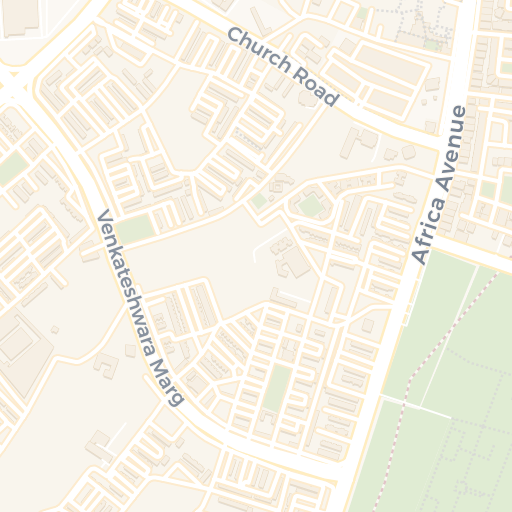
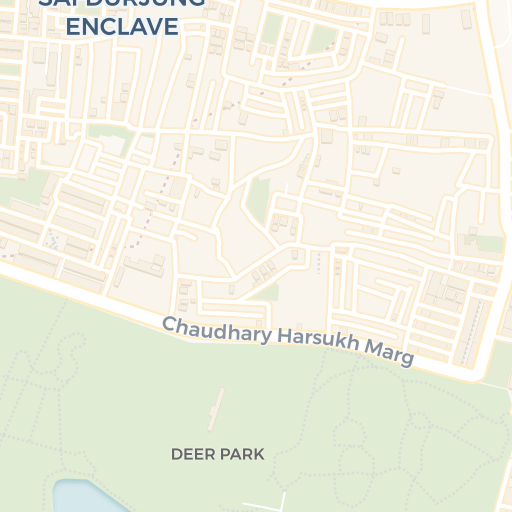
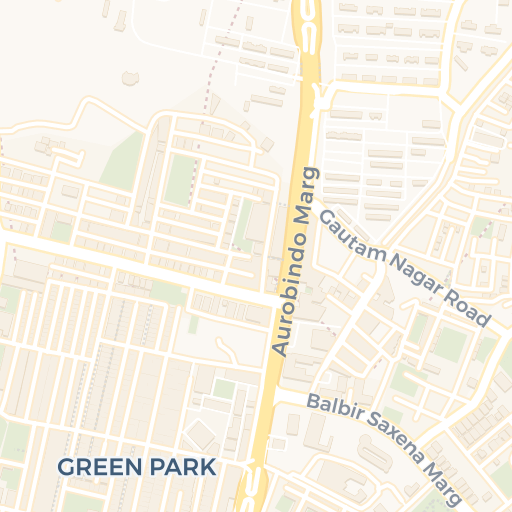
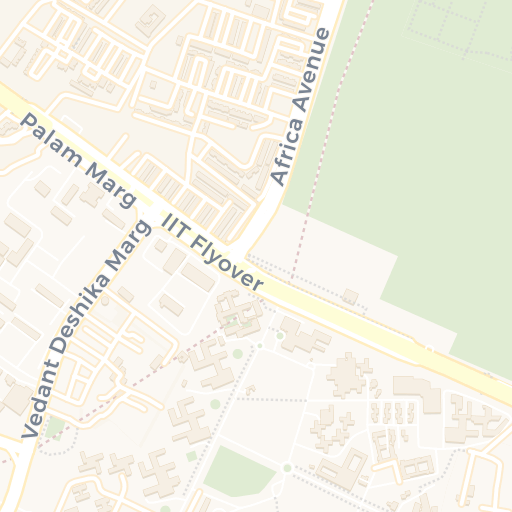
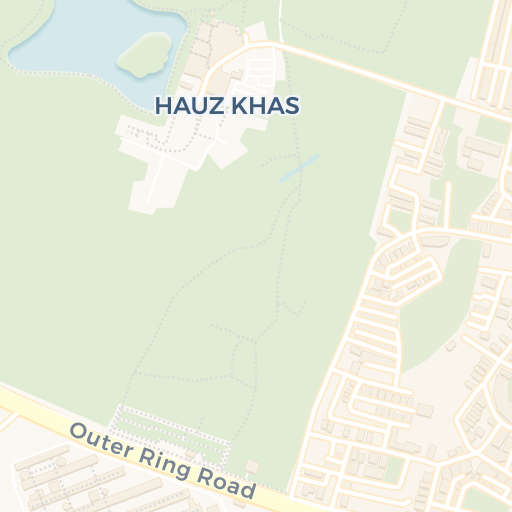
Get directions Open in Apple Maps
© OpenStreetMap contributors · © CARTO · 28.55337, 77.19485
Plan your visit
Separate the monument from the village
Delhi Tourism lists daily public access and an admission charge. Verify current hours and category prices through the ASI channel before travelling; restaurants and shops around Hauz Khas Village follow unrelated schedules.
What is free
The surrounding village lanes and parts of the reservoir-side park can be experienced without a monument ticket. Entry into the protected madrasa, tomb and mosque complex follows the site’s current ticket boundary.
Wear footwear suited to irregular stone and stairs. ASI rules prohibit climbing, graffiti, drones, tripods, feeding animals and entry into restricted structures.
Verified against Delhi Tourism, October 2026.
When to visit
October through March usually offers the easiest conditions. Delhi's 1991–2020 Safdarjung normals show cooler winters, rising heat from April through June and most annual rain from July through September.
Hauz Khas Complex is mostly outdoors, with shaded ruins but exposed lawns, stairs and reservoir viewpoints. In hot weather, arrive early and carry water where site rules allow it. Winter can bring haze and poor air quality, so check current public guidance if visibility or respiratory health matters to the visit.