

Qutub Minar
Last updated on October 19, 2026Why visit Qutub Minar
The Qutb complex makes early Indo-Islamic architectural change visible within one enclosure. A soaring minaret, a mosque assembled with reused carved columns, an early royal tomb, a precisely built gateway and an abandoned rival tower show several rulers testing new forms rather than completing one uniform design.
Visit if you:
- want to compare construction and ornament across the Delhi Sultanate’s early centuries
- are interested in how reused Hindu and Jain elements sit inside a new mosque plan
- prefer an archaeological ensemble to a single isolated monument
Skip it if you:
- want to climb the minaret—the tower interior is not part of the public visit
- cannot manage an exposed route across uneven historic ground
Quick facts
- Type: Tower, Site Complex, Mosque, Ruins, Historic Place
- Visitor access: Open to visitors
- Admission: ₹600
- Reservation: Not required — tickets on the door
- Built: Begun 1199; additions and repairs through 1503
- Built by: Qutb ud-Din Aibak, Iltutmish and later Delhi sultans
- Built for: Minar beside the Quwwat-ul-Islam mosque
- Architectural style: Early Indo-Islamic / Delhi Sultanate
- Height: 72.5 m
- Base diameter: 14.32 m
- World Heritage: Inscribed in 1993
- UNESCO World Heritage Site: Yes
Visit responsibly
Do not touch the Iron Pillar, carved columns or inscription bands. The value of the complex lies in original and reused surfaces that repeated contact gradually wears.
Describe the mosque’s reused temple material accurately and without turning it into spectacle. The fabric records conquest, reuse and adaptation; it deserves the same care as every later layer.
Stay on marked paths and leave closed tombs or platforms closed. Reversible conservation cannot compensate for avoidable visitor damage.
Where it is
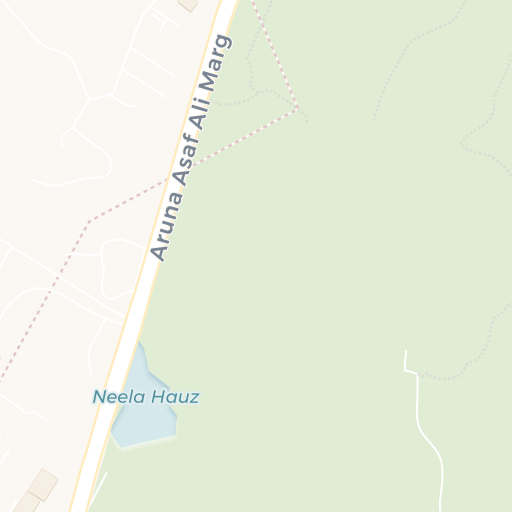
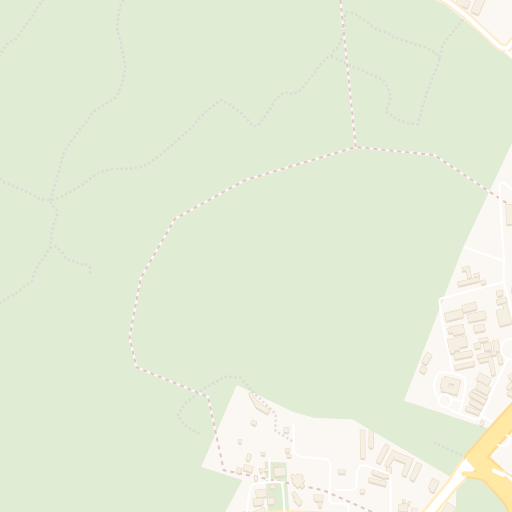
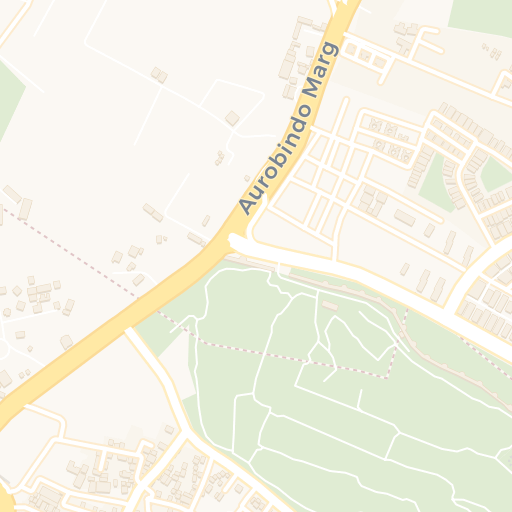
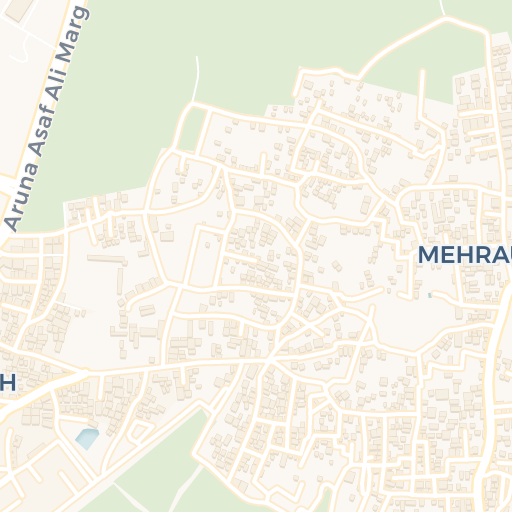
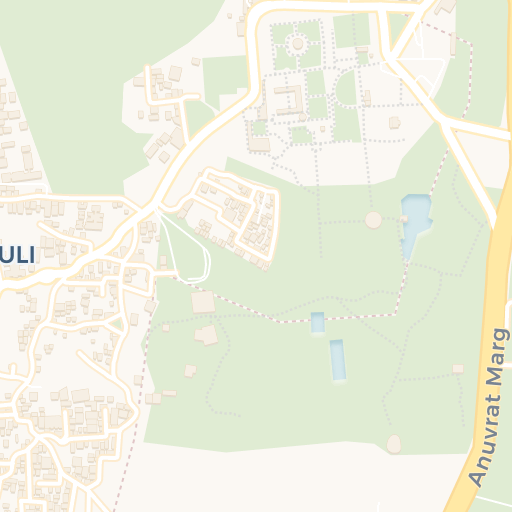
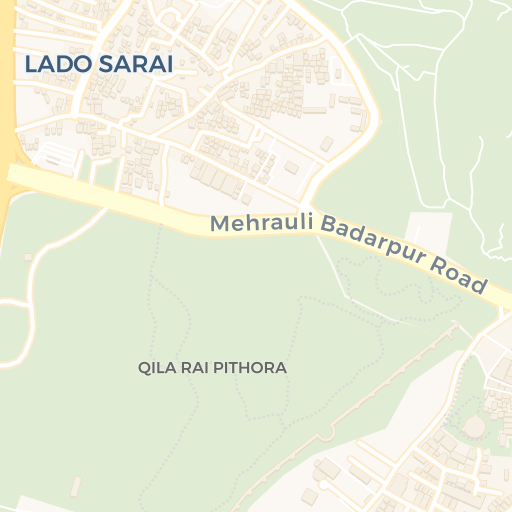
Get directions Open in Apple Maps
© OpenStreetMap contributors · © CARTO · 28.52441, 77.18545
Plan your visit
Admission: ₹600 · Delhi Tourism lists lower online and higher cash rates by visitor category; children up to 15 enter free. Verify before travel.
Prices verified October 2026
Admission
Qutb is a ticketed ASI monument. Delhi Tourism currently lists daily opening from sunrise into the evening and category-based rates with lower online pricing, but verify the current figure and last entry before travel.
What is free
The archaeological enclosure is inside the ticket boundary; there is no free visitor zone among the monuments. The minaret can be glimpsed from outside, but the mosque, tombs, gateway and Iron Pillar require admission.
The tower interior is not part of the visit. The public experience is the archaeological enclosure around it, so allow time for the mosque, tombs, gateway and unfinished minar.
Follow ASI rules: do not climb masonry, cross barriers, feed animals, fly drones or use tripods without permission. Most of the route is exposed to heat and rain.
Verified against Delhi Tourism, October 2026.
When to visit
October through March is the easiest season for an outdoor visit. Delhi's long-term Safdarjung normals place the coolest conditions in winter. April through June becomes progressively hotter, while July through September brings most of the annual rain.
Qutb Minar is an outdoor archaeological circuit with only intermittent shade. In hot weather, start near opening and carry water where site rules allow it. Winter mornings can be cool or hazy; check current air-quality guidance if visibility or respiratory health will shape the visit.