

Tughlaqabad Fort
Last updated on October 19, 2026Why visit Tughlaqabad Fort
Tughlaqabad is where Delhi’s defensive landscape becomes monumental. Its battered walls follow the ridge rather than imposing a flat garden plan, and its rapid abandonment left a city-sized ruin whose open ground makes walls, bastions and separate fortified tomb legible at long range.
Heat, rough ground and isolated stretches are the main friction. Arrive early, keep to open routes and allow enough time to approach the tomb without rushing a road crossing.
Visit if you:
- want a large, rugged fort rather than decorated palace rooms
- enjoy reading topography, walls and defensive planning
- are interested in the early Tughlaq dynasty and Delhi’s successive capitals
Skip it if you:
- need continuous shade, smooth paths or full step-free access
- are uncomfortable with isolated stretches, loose stone and long exposed walks
Quick facts
- Type: Castle, Site Complex, Historic Place
- Visitor access: Open to visitors
- Admission: ₹300
- Reservation: Not required — tickets on the door
- Built: 1321–1325
- Built by: Sultan Ghiyasuddin Tughlaq
- Built for: Fortified capital of the Tughlaq dynasty
- Architectural style: Tughlaq fortified city in rubble stone and lime mortar
- Founded: 1321
- Abandoned: Around 1327
Visit responsibly
Loose stone and unguarded heights make off-route climbing dangerous as well as damaging. Keep below barriers and use only established stairs and openings.
The adjoining ridge is being restored as semi-arid forest and wetland habitat. Do not cut through scrub, light fires or leave food and bottles where they draw animals toward visitor routes.
Walls border busy roads and inhabited areas. Use formal crossings, avoid flying drones over homes and do not treat nearby settlements as part of the monument display.
Legends about Nizamuddin Auliya are part of Delhi’s memory, but distinguish them from the documented construction and abandonment dates when retelling the site’s history.
Where it is
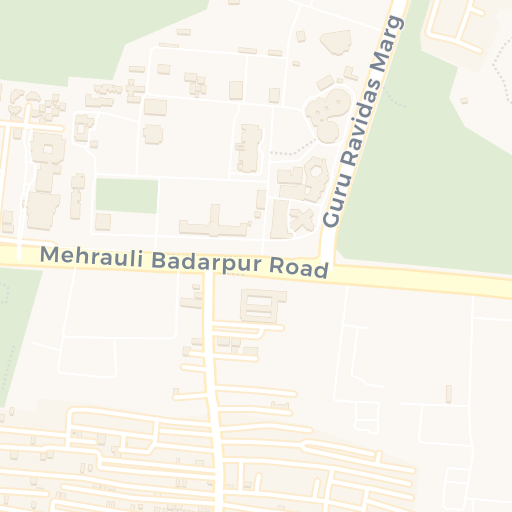
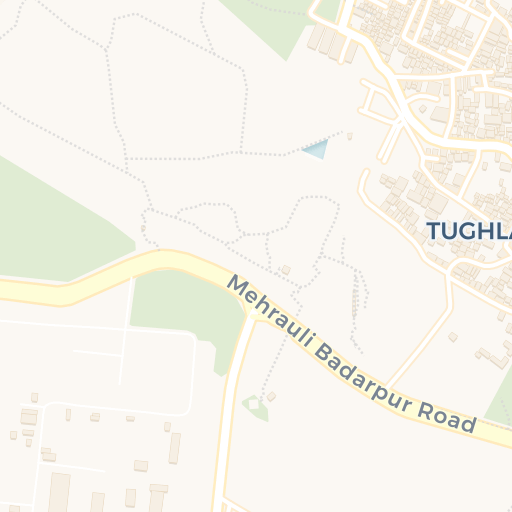
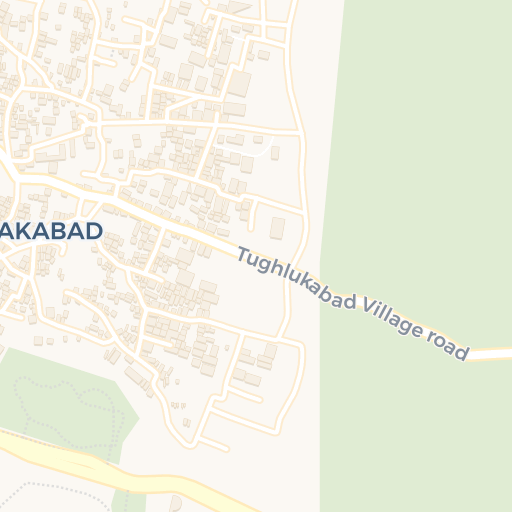

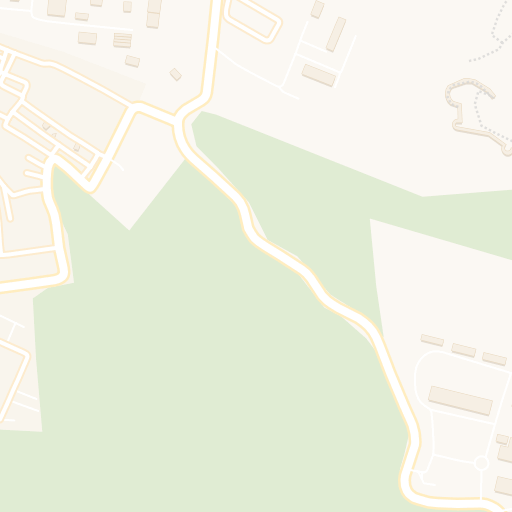
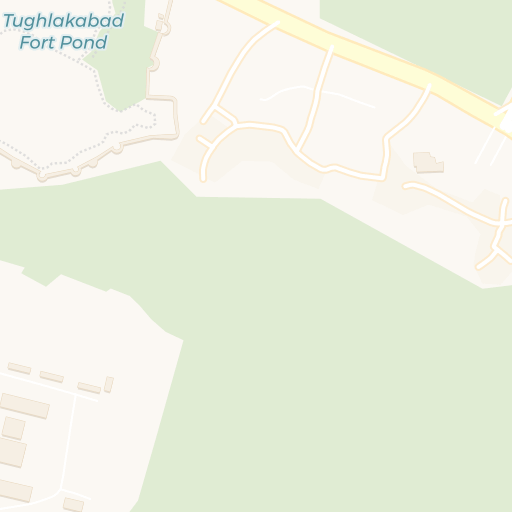
Get directions Open in Apple Maps
© OpenStreetMap contributors · © CARTO · 28.51122, 77.2623
Plan your visit
Admission: ₹300 · Verify current admission and open sectors through the official ASI ticket channel.
Prices verified October 2026
Prepare for rough ground
Tughlaqabad is a protected, ticketed monument. Check the current ASI ticket channel for opening status, admission and any closed sectors before travelling; access can change with conservation and safety conditions.
What is free
Long sections of the fort walls and the tomb enclosure can be seen from public roads. Entry into the protected ruins follows the current ticket boundary.
Visit in daylight with sturdy footwear and water. ASI rules prohibit climbing, graffiti, drones, tripods, feeding animals and entering restricted areas. The fort and Ghiyasuddin’s tomb may require separate road-side approaches.
Verified against Delhi Tourism, October 2026.
When to visit
October through March usually offers the easiest conditions. Delhi's 1991–2020 Safdarjung normals show cooler winters, rising heat from April through June and most annual rain from July through September.
Tughlaqabad Fort is a very exposed, rugged outdoor site with long distances and little dependable shade. In hot weather, arrive early and carry water where site rules allow it. Winter can bring haze and poor air quality, so check current public guidance if visibility or respiratory health matters to the visit.