

Group of Monuments at Hampi
Last updated on October 22, 2026Why visit Group of Monuments at Hampi
Hampi is unusually complete as a landscape. Temple streets, courtly platforms, tanks, canals, fortifications and boulder hills still show how a capital used ritual, water and terrain together. The relationship among the remains matters more than any isolated chariot, pillar or viewpoint.
Visit if you:
- want to understand a major South Indian empire through architecture, archaeology and landscape
- can give separate time to the sacred core, Vittala sector and royal centre
- value living worship alongside protected ruins
- are comfortable with heat, exposed walking and uneven surfaces
Skip it if you:
- want one compact building with a single entrance and fixed circuit
- cannot safely manage rough ground or plan a supported accessible route
- expect every story, musical-pillar claim or local legend to be historically proven
Quick facts
- Type: Site Complex, Ruins, Historic Place, Sacred Place
- Visitor access: Partial access
- Admission: Costs vary by site
- Reservation: Not required — tickets on the door
- Typical visit: About 16 hours
- Built: Principally 14th–16th centuries, with older sacred fabric and later additions
- Built by: Successive Vijayanagara rulers, patrons, religious institutions, craftspeople and communities
- Built for: Imperial government, worship, commerce, defence, residence and water management
- Architectural style: Vijayanagara architecture drawing on several South Indian temple and courtly traditions
- Size: UNESCO property 4,187.24 ha; buffer zone 19,453.62 ha; more than 1,600 surviving features
- UNESCO inscription: 1986 under criteria (i), (iii) and (iv)
- Recorded remains: More than 1,600 features across the property
Visit responsibly
Never climb, sit on, scratch or move archaeological fabric. A low wall or loose block is still protected evidence.
Virupaksha and other shrines are active. Dress respectfully, follow footwear and photography rules, and keep worship routes clear.
Use established paths and authorised vehicle areas. Shortcuts can cross excavations, farms, habitats or unstable rock.
Do not feed macaques or leave food and plastic near temples, tanks or the river. Carry waste out.
Choose guides who distinguish inscription, archaeological interpretation and local tradition. A dramatic claim is not stronger because it is repeated often.
Where it is
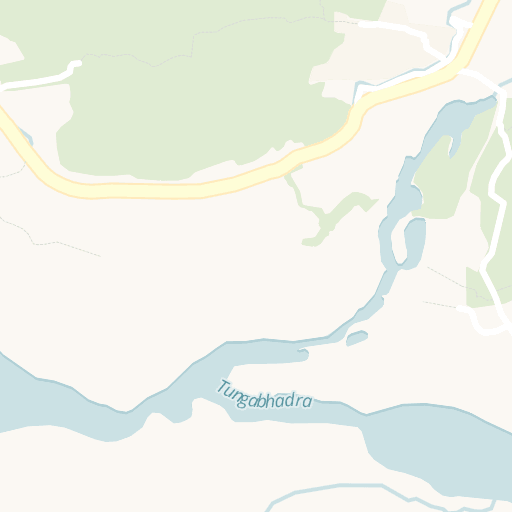
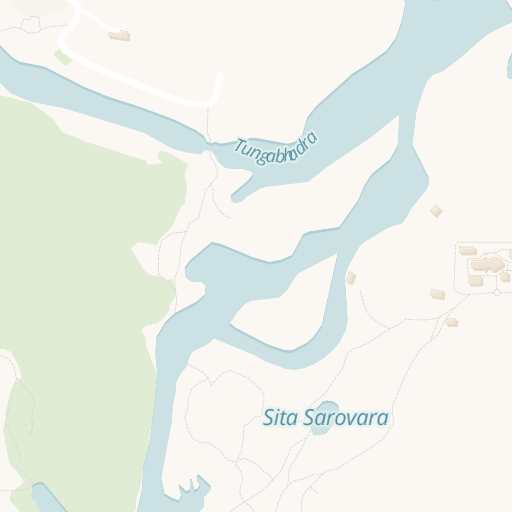
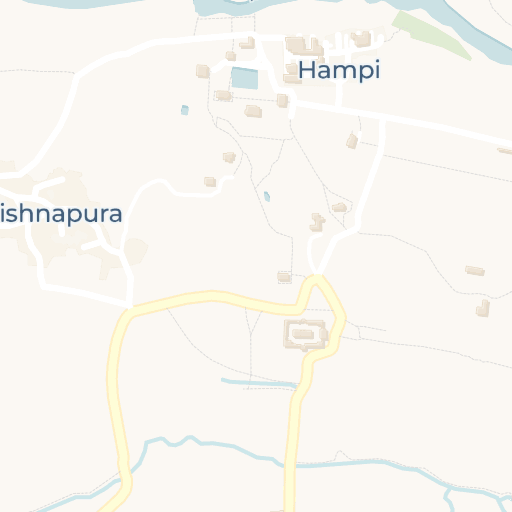
Get directions Open in Apple Maps
© OpenStreetMap contributors · © CARTO · 15.335, 76.46
Plan your visit
Admission: Costs vary by site · No single site-wide ticket; selected controlled monuments are paid while broad public and sacred areas are free to approach under current rules.
Prices verified October 2026
Plan by sector, not by ticket
Karnataka Tourism currently recommends two to three days for Hampi. Much of the archaeological landscape, public roads and active sacred area can be experienced without one universal entrance ticket, while selected protected complexes—including Vittala—use controlled paid admission. Rules and hours can change by monument.
What is free
Large parts of the public landscape, Hampi Bazaar approaches, viewpoints and active temple surroundings are open without a single site-wide ticket. A free approach does not remove worship, conservation, parking or access rules. Paid boundaries begin at named controlled monuments, not at the edge of the whole World Heritage property.
Begin at the opening period, carry safe water, wear stable footwear and reserve shade during the hottest hours. Use official or district information for current ticketing and any conservation closure.
Verified against Karnataka Tourism, October 2026.
When to visit
November through February is the easiest period for long outdoor circuits. Start at opening time even then: shade is limited and the best-known monuments become crowded after group arrivals.
March through May can reach severe heat, making a full exposed circuit unsafe or unpleasant. Monsoon months may be cooler but bring slippery granite, path changes and variable river conditions. October is greener but still transitional. Festivals at Virupaksha and Hampi Utsav can be meaningful visits, with much higher pressure and altered access.