

Chor Bazaar
Last updated on October 20, 2026Why visit Chor Bazaar
Chor Bazaar offers something formal heritage districts cannot: objects circulating through repair, reuse and resale. A shopfront may put a carved door beside a cinema poster and a box of machine parts, making Mumbai's material history visible without turning it into a museum display.
Uncertain provenance is the central friction. Ask what the seller knows, inspect condition, agree the full price before payment and do not accept an “antique” label as documentation.
Visit if you:
- enjoy browsing slowly through second-hand goods
- are comfortable bargaining respectfully
- can walk narrow, busy commercial lanes
Skip it if you:
- need fixed prices and certified provenance
- are carrying conspicuous valuables or bulky luggage
Quick facts
- Type: Market, Neighborhood
- Visitor access: Open to visitors
- Reservation: Not required — tickets on the door
- Built: Developed during the colonial period
- Built for: Second-hand trade, repair and reuse
- Market core: Mutton Street
- Known for: Second-hand goods and repair trades
Visit responsibly
These lanes are workplaces and homes. Keep doorways clear, ask before photographing a seller or shop interior, and do not frame residents as market scenery.
Bargaining is part of many transactions, but pressure and ridicule are not. Discuss condition and price plainly, then accept a refusal.
Do not buy wildlife products, sacred objects of doubtful origin or supposed antiquities without legal provenance. A convincing story is not documentation.
Repair and reuse are the market's practical strength. Prefer objects you can transport and maintain rather than buying fragile material as disposable décor.
Where it is
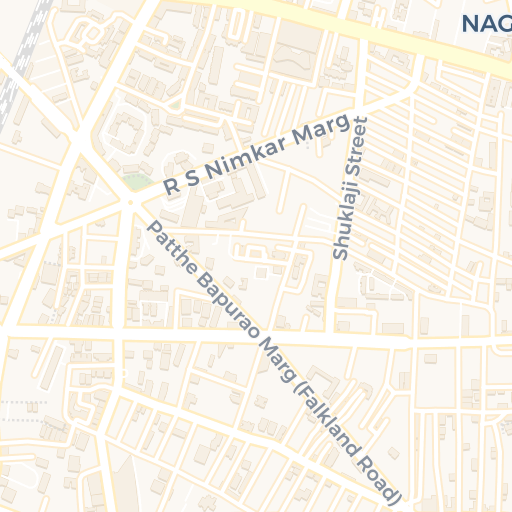
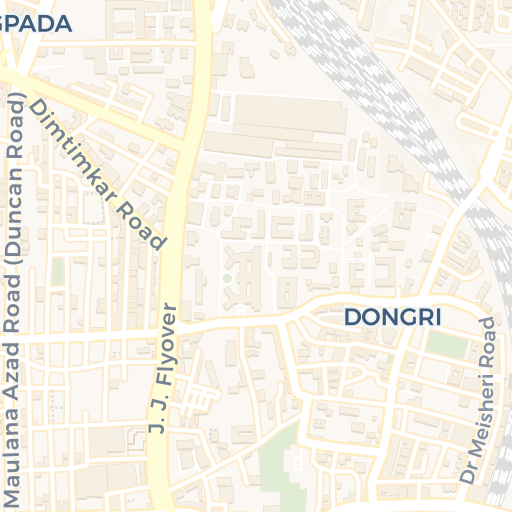
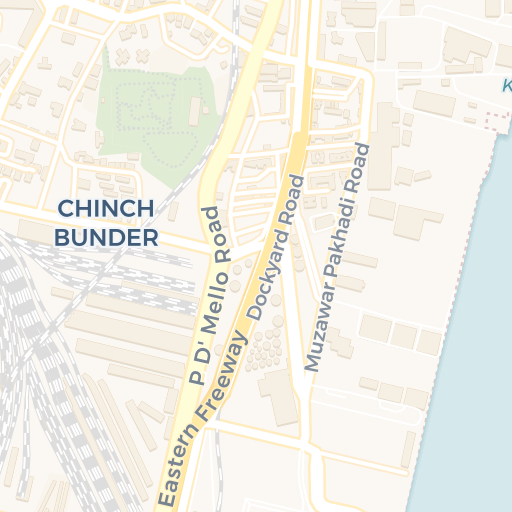
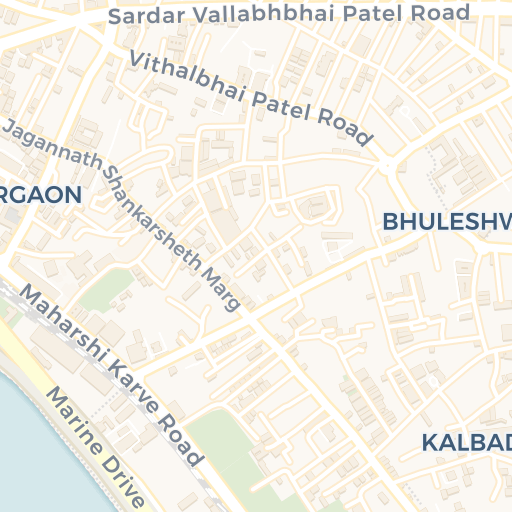
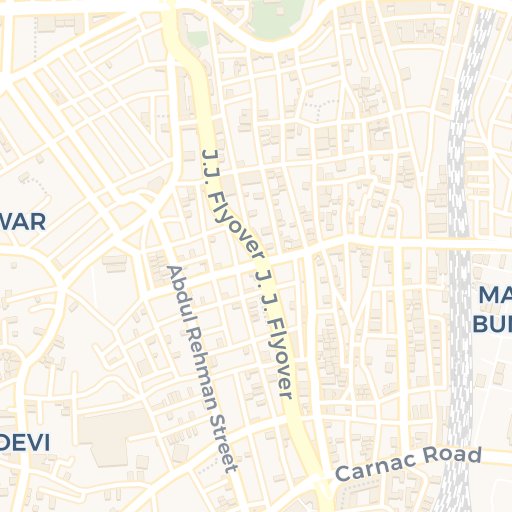
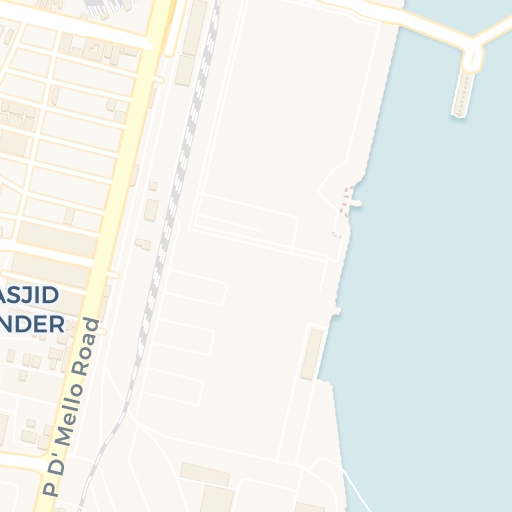
Get directions Open in Apple Maps
© OpenStreetMap contributors · © CARTO · 18.95935, 72.82991
Plan your visit
Treat it as a working market
Mumbai's Chor Bazaar has no central timetable governing every independent shop. Visit in daylight, avoid assuming that a weekly or early-morning schedule found in an old guide applies to the whole bazaar, and confirm a particular dealer directly.
Browsing the public lanes is free. Agree the price for purchases, packing, delivery and any guide service before accepting it.
Ask for a receipt and provenance for anything sold as antique. Check Indian export law and the destination country's import rules before buying genuine antiquities, wildlife material or protected cultural property.
Verified against Mumbai City District Administration, October 2026.
When to visit
November through February is usually the easiest general window. Mumbai's 1991–2020 climate normals show a very wet southwest monsoon from June through September and warmer, more humid conditions on either side.
Chor Bazaar is best browsed in daylight, when shop interiors are easier to inspect and the narrow lanes are simpler to read. During monsoon weather, check current transport or site guidance before leaving; heavy rain can turn a short transfer into the main constraint. In the dry season, early hours generally bring milder heat and clearer working space.