

Elephanta Island & Caves
Last updated on October 20, 2026Why visit Elephanta Island & Caves
Elephanta turns architecture and sculpture into one continuous rock surface. Columns, shrine and reliefs were not assembled from transported blocks; they were released from the hill, so moving through Cave 1 is also reading the sequence of excavation.
The crossing, stairs, heat and weather-dependent service are the trade-off. Give the island a dedicated half or full day and confirm both the return ferry and monument access before departure.
Visit if you:
- want to study major Shaiva rock-cut art in its architectural setting
- value the harbour journey as part of the experience
- can manage a stepped final approach
Skip it if you:
- need a reliably step-free route to the caves
- cannot allow for sailing changes or a long outdoor approach
Quick facts
- Type: Temple, Site Complex, Historic Place, Island
- Visitor access: Open to visitors
- Reservation: Not required — tickets on the door
- Built: Main caves, mid-5th–6th centuries
- Built for: Shaiva worship
- Architectural style: Indian rock-cut temple architecture
- Denomination: Hindu (Shaivite)
- Size: Cave 1: 39 m deep; principal hall about 27 m square
- UNESCO inscription: 1987, criteria (i) and (iii)
- Main work: Seven-metre Sadashiva relief
- UNESCO World Heritage Site: Yes
Visit responsibly
UNESCO identifies saline activity and surface deterioration as continuing threats. Do not touch reliefs or columns; skin oils, abrasion and casual leaning add to existing damage.
The steps concentrate thousands of visits. Stay on the route, do not climb archaeological fragments and carry waste to proper collection points.
Never feed macaques. Secure food before the climb so an animal does not learn to approach people or seize bags.
Island stalls and residents work around a limited ferry day. Buy without blocking the stair and respect the announced return schedule rather than pressuring boat staff in unsafe conditions.
Where it is


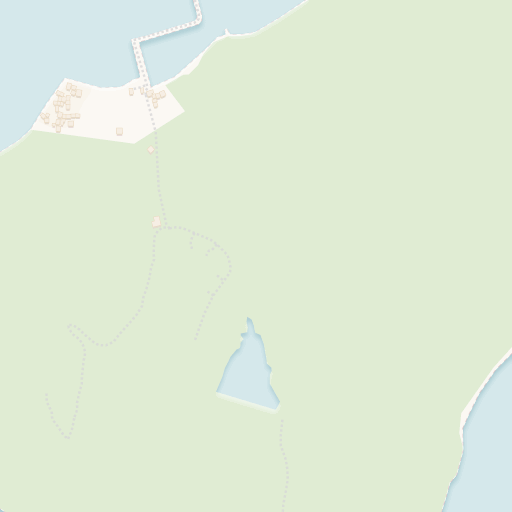
Get directions Open in Apple Maps
© OpenStreetMap contributors · © CARTO · 18.96352, 72.93132
Plan your visit
Plan the return before the visit
Elephanta combines two operating systems: harbour transport and a protected monument. Verify current ferry departures, the final return, site hours and ticket categories through official channels on the day of travel.
What is free
Views from the Gateway waterfront are free, but the boat crossing and protected cave area involve separate charges. Do not assume one ticket includes the other.
Carry water where permitted, wear footwear suited to steps and wet stone, and protect food from macaques. Touching sculpture, climbing and flash or equipment use may be restricted under conservation rules.
Verified against Maharashtra Tourism, October 2026.
When to visit
November through February is usually the easiest general window. Mumbai's 1991–2020 climate normals show a very wet southwest monsoon from June through September and warmer, more humid conditions on either side.
Elephanta Caves requires an exposed boat crossing, a stepped outdoor climb and time inside humid rock-cut halls. During monsoon weather, check current transport or site guidance before leaving; heavy rain can turn a short transfer into the main constraint. In the dry season, early hours generally bring milder heat and clearer working space.