

Kala Ghoda
Last updated on October 20, 2026Why visit Kala Ghoda
Kala Ghoda lets a visitor move quickly between very different cultural forms: a major museum collection, a contemporary gallery, a nineteenth-century library, street façades and temporary festival work. The value lies in comparison, not one landmark.
Institutional schedules are the friction. A district can be physically open while the museum, library or gallery you came for is closed. Choose two anchors and confirm both before building the walk.
Visit if you:
- want art, architecture and books within one compact route
- prefer a district walk to a single attraction
- can adapt around changing programmes
Skip it if you:
- expect one gate or all-inclusive ticket
- are visiting only for the annual festival without checking its dates
Quick facts
- Type: Neighborhood, Historic Place
- Visitor access: Open to visitors
- Reservation: Not required — tickets on the door
- Built: Cultural district developed through the 19th–21st centuries
- Built for: Museums, galleries, libraries and civic institutions
- Name meaning: Black horse
- Current sculpture: Spirit of Kala Ghoda, 2017
Visit responsibly
Libraries, galleries and offices remain working institutions. Keep entrances open and follow each building's bag, photography and quiet-use rules.
Festival installations are temporary artworks, not street furniture. Do not climb them or cross barriers for a photograph.
The compact district carries heavy footfall. Use public transport, keep groups narrow on pavements and place waste only in proper bins.
Photograph façades freely from public space, but ask before making identifiable images of vendors, artists or worshippers at nearby religious sites.
Where it is
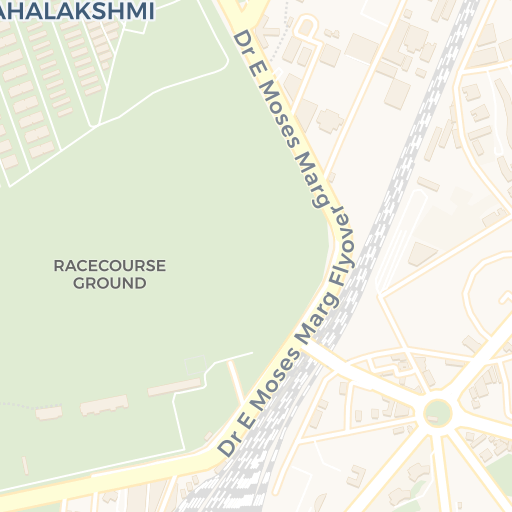
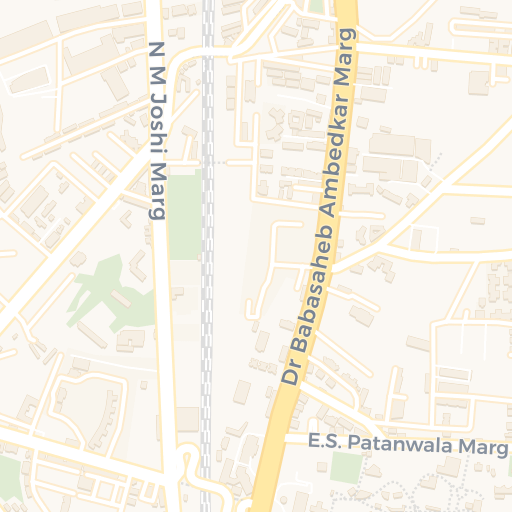
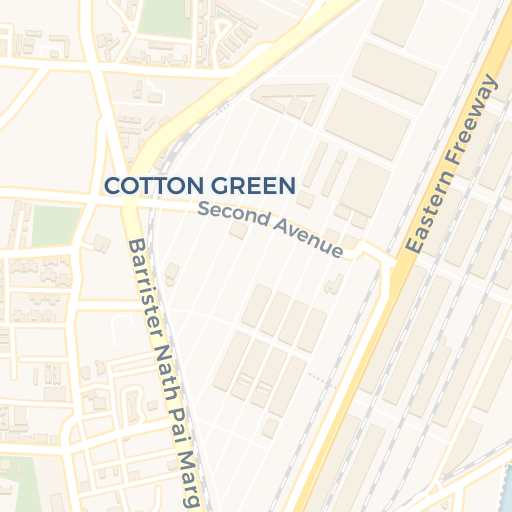
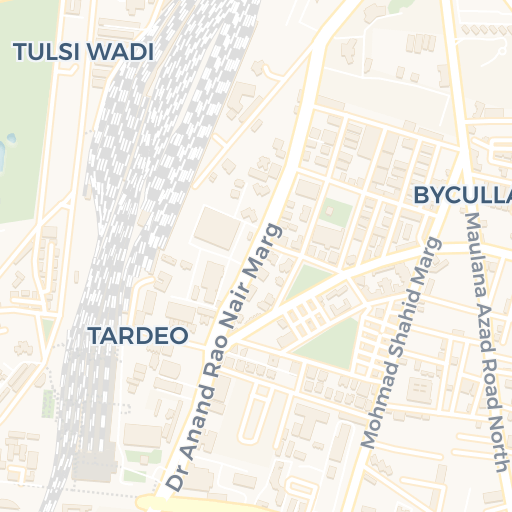
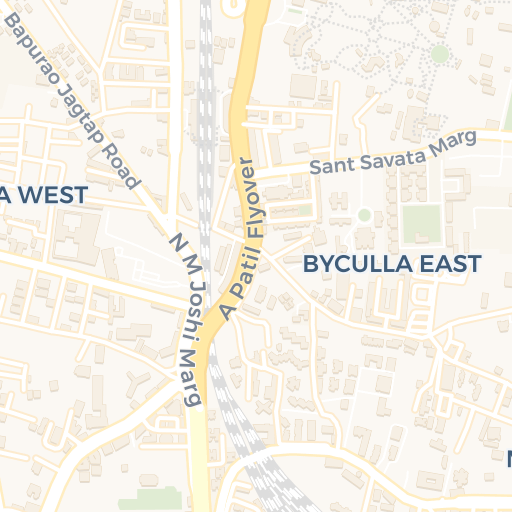
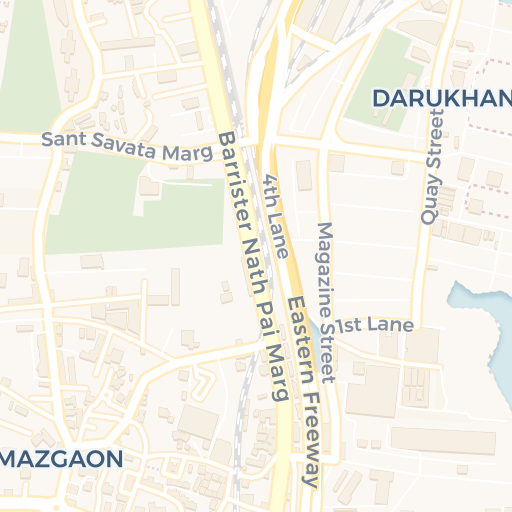
Get directions Open in Apple Maps
© OpenStreetMap contributors · © CARTO · 18.97875, 72.83529
Plan your visit
Build the day from institutions, not the district name
Walking the public streets is free and requires no reservation. Museums, galleries, tours and performances follow separate admission and schedules.
Check the current pages for CSMVS, Jehangir Art Gallery, David Sassoon Library and any temporary exhibition you want to see. Avoid assuming Monday closures or free entry are uniform.
The Kala Ghoda Arts Festival is an annual programme, not a permanent street fair. Use the association's current edition for dates, venues, access and crowd arrangements.
Verified against Mumbai City District Administration, October 2026.
When to visit
November through February usually gives the easiest general conditions. Mumbai's 1991–2020 normals show a very wet monsoon from June through September, with warmer and more humid conditions around it.
Kala Ghoda mixes outdoor streets with museums and galleries, making it possible to alternate exposed walking with confirmed indoor visits. Check current municipal weather, tide or transport guidance when conditions matter; a seasonal average cannot establish whether today's seafront is safe.