

Marine Drive
Last updated on October 20, 2026Why visit Marine Drive
Marine Drive makes Mumbai's modern city plan visible at a glance. The curve of reclaimed shore, repeated Art Deco balconies and long sea wall read as one composition, while constant public use keeps it from feeling like a preserved architectural exhibit.
Heat, traffic and evening crowding are the trade-off; monsoon waves can make the edge dangerous. Walk a section rather than treating the whole arc as an obligation, and obey current barriers.
Visit if you:
- want a free introduction to Mumbai's twentieth-century urban form
- enjoy architecture in a lived seafront setting
- can share space with runners, families and commuters
Skip it if you:
- expect a quiet beach or swimming area
- plan to ignore sea warnings for a dramatic photograph
Quick facts
- Type: Street/Avenue, Historic Place
- Visitor access: Open to visitors
- Reservation: Not required — tickets on the door
- Built: Main seafront development, 1930s–1940s
- Built for: Coastal road, promenade and residential expansion
- Architectural style: Art Deco urban ensemble
- Size: Approximately 3 km
- Popular name: Queen's Necklace
- Setting: Back Bay
- UNESCO World Heritage Site: Yes
Visit responsibly
The tetrapods are coastal defence. Do not climb onto them; wet concrete, gaps and sudden waves make rescue difficult.
Carry food packaging away from the wall. Anything left on the promenade can enter Back Bay through wind or rain.
Residents live behind the heritage façades. Keep group noise and night photography considerate, and never block building entrances.
Large events change a daily exercise and commuting route. Follow temporary diversions and give runners, walkers and emergency movement room.
Where it is

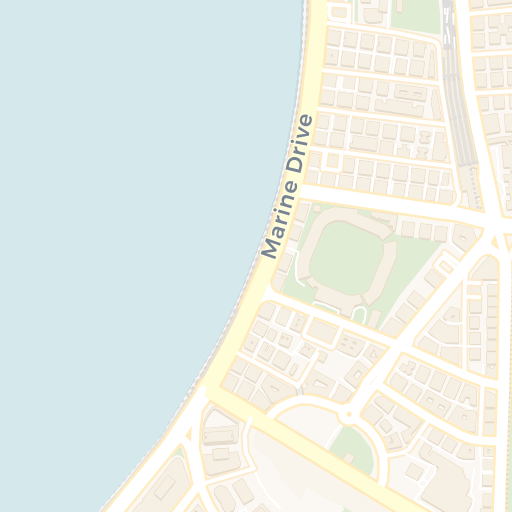
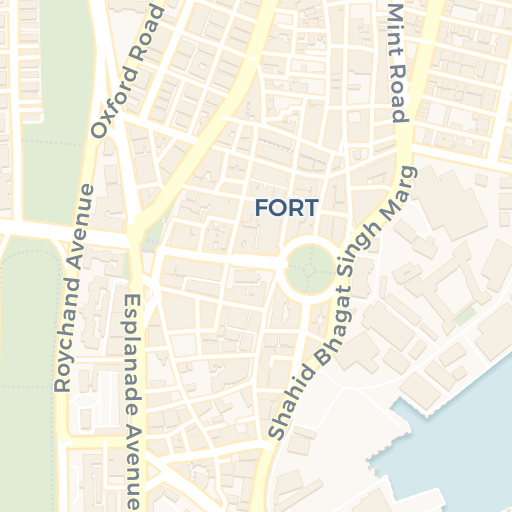
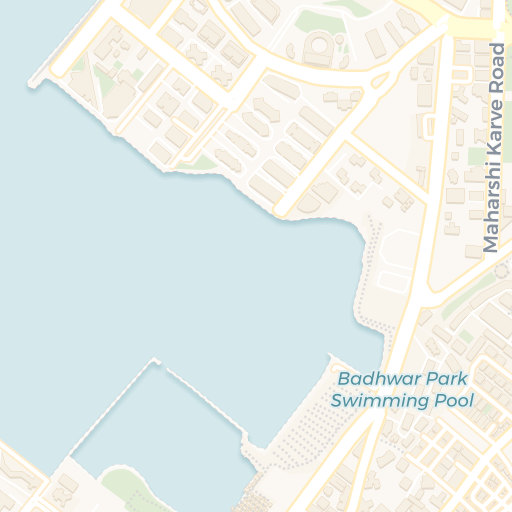
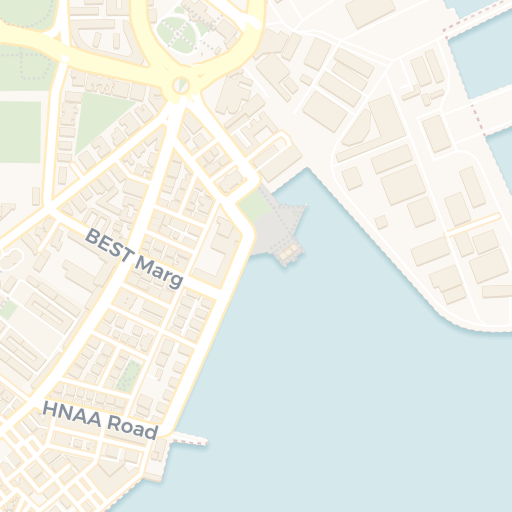
Get directions Open in Apple Maps
© OpenStreetMap contributors · © CARTO · 18.9296, 72.82176
Plan your visit
Walk the public edge; respect sea closures
Marine Drive's promenade is free and normally open as public space. Expect events, security arrangements, road works or dangerous sea conditions to close sections without creating an alternative ticketed route.
Choose a manageable section, carry water and use formal crossings. Never use the tetrapods or wet sea-wall edge as seating or photography platforms.
Use daylight for an architecture-focused walk and identify buildings before starting. At night, stay with busy, lit stretches and arrange the return rather than assuming every point has the same transport access.
Verified against Brihanmumbai Municipal Corporation, October 2026.
When to visit
November through February generally brings the easiest outdoor conditions. Mumbai's 1991–2020 normals show the heaviest monsoon rain from June through September, with warmer and more humid conditions around that season.
Marine Drive is fully exposed to sun, wind and wave action; evenings are popular, while monsoon surf may trigger dangerous conditions and closures. Check current site or municipal alerts before an exposed visit; monthly averages do not establish whether a trail, sea wall or road is safe today.