

Meenakshi Amman Temple
Last updated on October 22, 2026Why visit Meenakshi Amman Temple
Few places make a temple city's structure as clear. The gopurams orient Madurai's streets, markets press against the enclosure, and worship continues inside a sequence of gateways, courts, halls, shrines and tanks. Sculpture and colour reward close observation, but ritual movement gives the architecture its meaning.
Visit if you:
- want to experience a major living Tamil temple rather than an archaeological shell
- are prepared to follow dress, footwear, queue, security and photography rules
- can spend time separating different architectural periods and functions
- value the surrounding streets as part of the temple-city experience
Skip it if you:
- expect unrestricted access to every shrine or ceremony
- cannot safely manage barefoot movement, crowding or long queues without arranged assistance
- want a quiet monument detached from active worship and commerce
Quick facts
- Type: Temple, Sacred Place, Historic Place, Building
- Visitor access: Partial access
- Admission: Free + paid options
- Reservation: Not required — tickets on the door
- Typical visit: About 2 hours
- Built: Ancient sacred origins; substantially enlarged in the 16th–17th centuries; maintained continuously
- Built by: Pandya, Vijayanagara and Nayak patrons with later temple administrations and devotees
- Built for: Worship of Meenakshi and Sundareshwarar and the ritual life of Madurai
- Architectural style: Tamil Dravidian temple architecture with major Nayak-period halls and gopurams
- Size: Temple precinct approximately 65,000 m² with 14 major gopurams
- Principal shrines: Meenakshi and Sundareshwarar
- Current daily periods: 05:00–12:30 and 16:00–22:00, subject to festival changes
Visit responsibly
This is first a place of worship. Dress conservatively, keep voices low near shrines and allow worshippers priority.
Use designated footwear storage and follow every security, phone and photography instruction. A rule applying to one hall may differ elsewhere.
Do not pay an unofficial intermediary to bypass a queue or sacred restriction. Use only published temple services.
Do not touch sculpture, strike pillars, feed animals or leave offerings outside authorised systems.
Ask before photographing people in the surrounding markets, and keep gates, shopfronts and processional routes clear.
Where it is
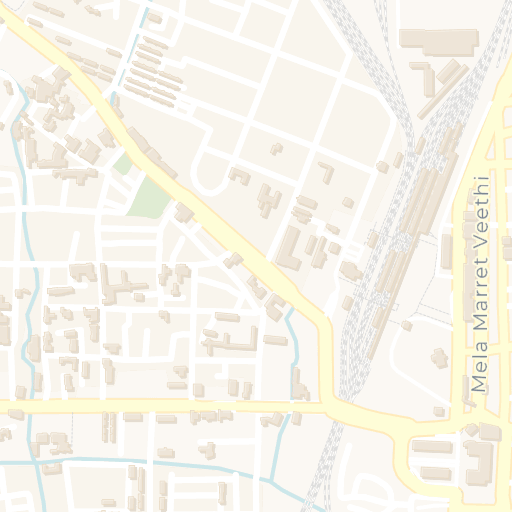
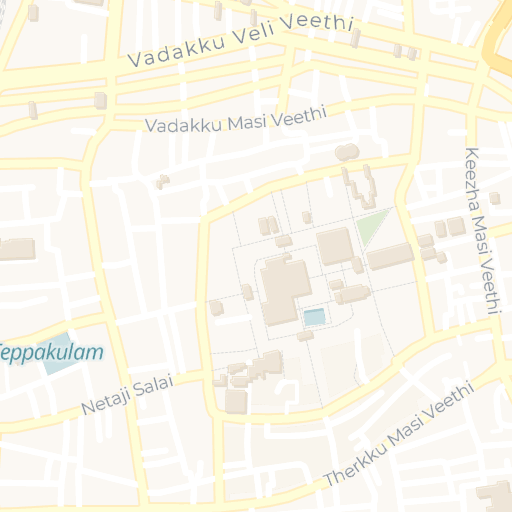
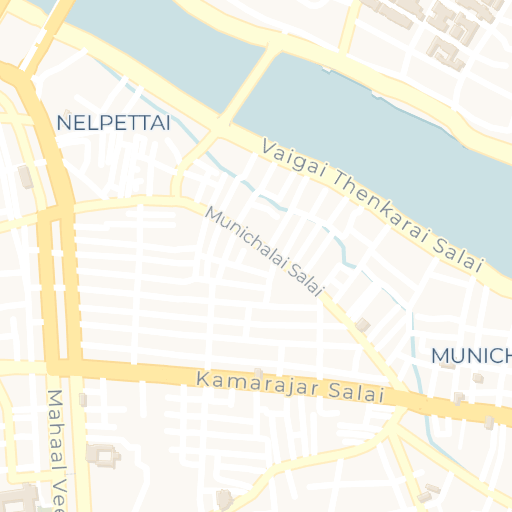
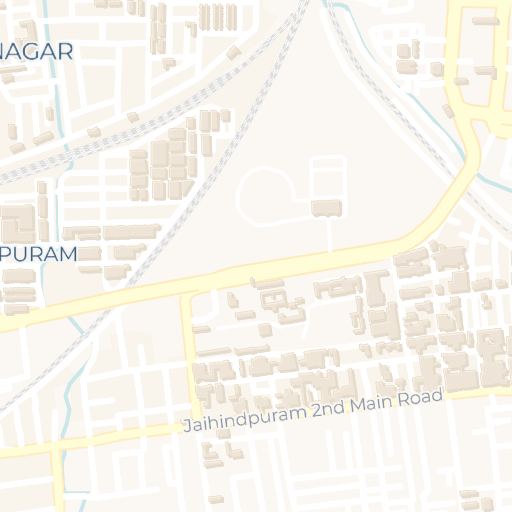
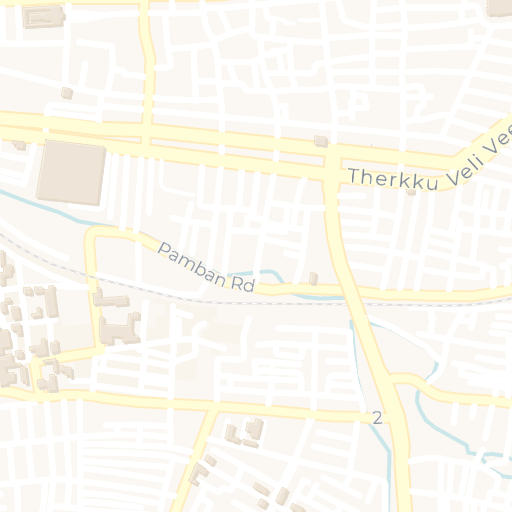
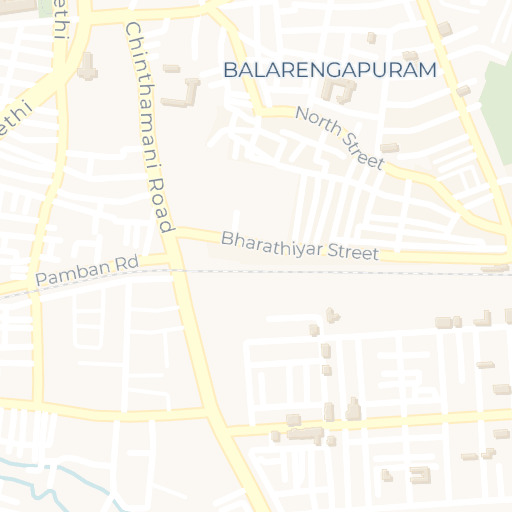
Get directions Open in Apple Maps
© OpenStreetMap contributors · © CARTO · 9.9195, 78.1193
Plan your visit
Admission: Free + paid options · Ordinary entry has no listed admission charge; optional ₹50 and ₹100 special-entry services and separate offerings are listed by the official temple portal.
Prices verified October 2026
Worship sets the timetable
The official HR&CE portal currently lists opening periods of 05:00–12:30 and 16:00–22:00, with changes possible on festival days. Security, ritual and crowd management can alter which gate, hall or shrine is accessible. Check the temple portal on the day of the visit.
What is free
Ordinary temple entry is presented without a general admission charge on the official portal. Optional special-entry services are listed at ₹50 and ₹100, and separate offerings or rituals have their own charges. Paying for a faster queue does not purchase access to a religiously restricted area.
Official facilities include drinking water, free footwear storage, lockers, wheelchairs and a battery vehicle. Confirm operating availability and follow current rules for phones, cameras and bags.
Verified against Arulmigu Meenakshi Sundareshwarar Temple, Tamil Nadu HR&CE, October 2026.
When to visit
December through February offers the easiest weather for combining the temple with surrounding streets. Arrive early in the morning opening period for lower heat and a clearer orientation, while recognising that worship queues can still be substantial.
The long midday closure provides a natural break. Evening brings strong ritual and market atmosphere but also denser movement. Chithirai and other major festivals transform access and crowd conditions; attend for the religious event, not for a routine architectural circuit. October–November rain and April–May heat require extra flexibility.