

Agra Fort
Last updated on October 21, 2026Why visit Agra Fort
Agra Fort makes imperial change visible in material. Akbar's massive red gateways and palace courts establish a fortified capital; Shah Jahan's marble pavilions turn the river edge toward refined ceremony and private life. The framed view of the Taj belongs to that relationship, not just to a photograph.
The open route covers only part of the enclosure and involves long exposed walks. Go for the sequence from Amar Singh Gate to the palace zone, not with the expectation that every wall or mosque can be entered.
Visit if you:
- want to understand Agra as a Mughal capital, not only as the setting of the Taj Mahal
- enjoy reading changes in material, scale and court access
- can walk between large outdoor courts and dispersed buildings
Skip it if you:
- expect the whole 38-hectare fort to be open
- have time for only one monument and are interested solely in the Taj Mahal's funerary architecture
Quick facts
- Type: Castle, Palace, Site Complex, Historic Place
- Visitor access: Open to visitors
- Reservation: Not required — tickets on the door
- Built: Older brick fort; rebuilt by Akbar 1565–1573; expanded by Shah Jahan after 1628
- Built by: Mughal emperors Akbar and Shah Jahan
- Built for: Fortified imperial city and palace
- Architectural style: Mughal palace-fort in red sandstone and white marble
- Size: About 38 ha; enclosure walls approximately 2.5 km long
- UNESCO inscription: 1983, criterion (iii)
- Public entrance: Amar Singh Gate
- UNESCO World Heritage Site: Yes
Visit responsibly
The sandstone and marble carry centuries of wear. Stay behind barriers, do not sit or climb on historic fabric, and keep bags and hands away from carved panels and jalis.
Large areas are active military ground. Respect closed routes and photography instructions even when an old plan shows a gate or building beyond them.
Do not feed macaques or birds. Food makes animals more assertive around visitors and adds waste to a protected monument.
Pair the fort with the Taj Mahal by shared transport or one planned route where practical. Repeated private-car movements add to the air pollution already affecting Agra's stone.
Where it is
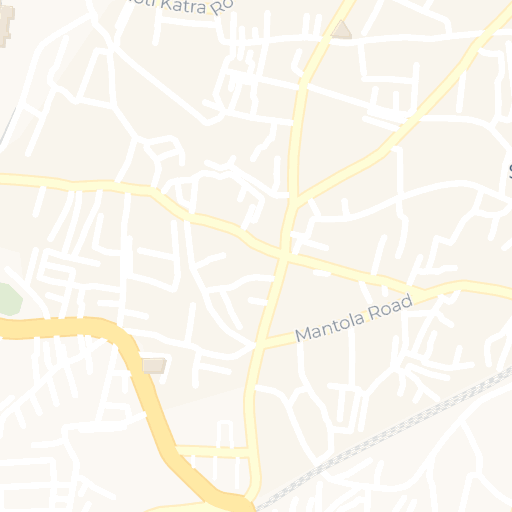
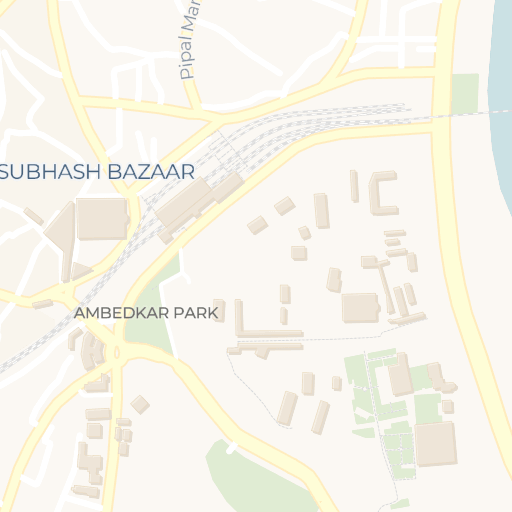
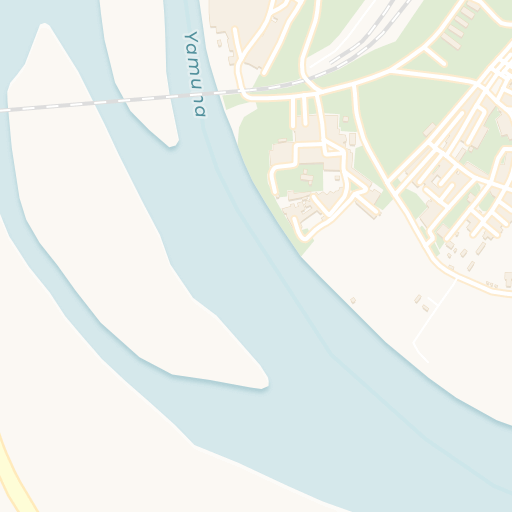
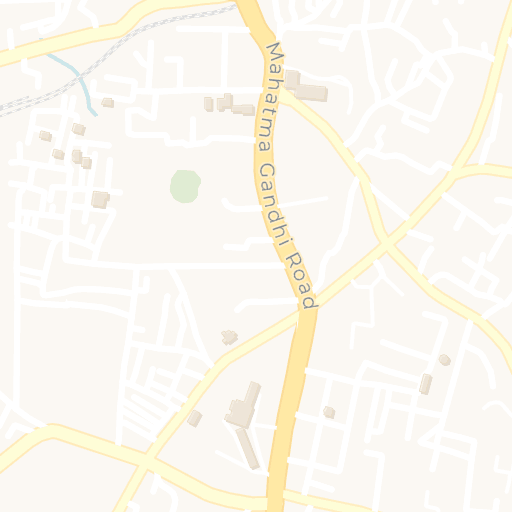
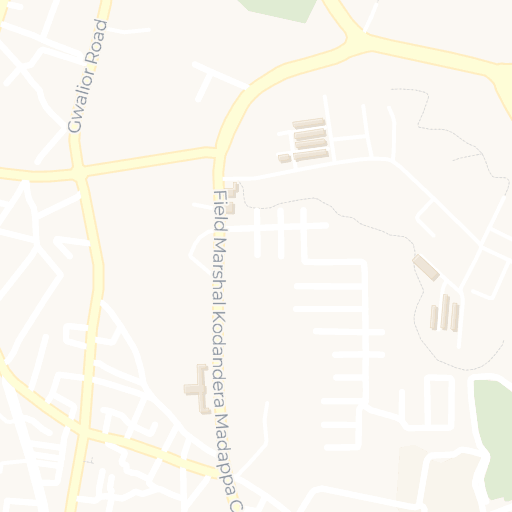
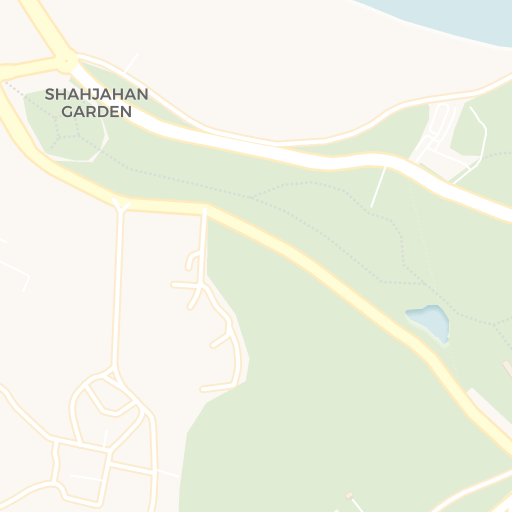
Get directions Open in Apple Maps
© OpenStreetMap contributors · © CARTO · 27.17954, 78.0211
Plan your visit
Check the current ASI ticket before travelling
Agra Fort is a paid, protected monument. The Government of India tourism portal currently lists a daytime opening window, but the authoritative operating day, closing time, visitor category and ticket amount should be checked again through the official monument channel.
What is free
The exterior ramparts can be seen from public roads and parts of the river corridor without admission. The defended approach, palace courts, gardens and interior viewpoints are inside the paid boundary.
Security screening and military boundaries affect the route. Carry only essentials, obey barriers and allow more time than a single palace photograph suggests. Protected-monument rules prohibit climbing, graffiti, feeding animals, drones and unauthorised commercial equipment.
Verified against Incredible India, Ministry of Tourism, October 2026.
When to visit
October through March is the most comfortable general season. The route is largely outdoors, and winter brings lower daytime temperatures for the long walk between the gate, courts and riverfront pavilions. Early morning usually offers the mildest heat and a clearer sequence before tour groups build.
April through June can be intensely hot; prioritise opening hours, water and shade. The July–September monsoon brings humidity, rain and slippery stone. Winter fog or pollution can obscure the Taj Mahal view, so treat that sightline as a possible element rather than the condition for a worthwhile visit.