

Taj Mahal
Last updated on October 19, 2026Why visit the Taj Mahal
The Taj Mahal rewards more than a distant view of its dome. The approach through the Great Gate, the long water axis, the change from red sandstone to white marble and the increasingly fine calligraphy and inlay make the 17-hectare complex unfold in stages. Its rarest quality is control: buildings, garden, river edge and decoration all direct attention toward a tomb whose one visible asymmetry records Shah Jahan's later burial.
Visit if you:
- want to understand Mughal architecture as a complete garden-tomb ensemble
- enjoy close looking at stone carving, inlay and calligraphy
- want a site where history, architecture and landscape remain legible together
- are prepared for security checks and a highly managed visitor route
Skip it if you:
- expect a furnished palace rather than a funerary complex
- need access to the actual burial chamber, which is closed to visitors
- want a quiet, lightly visited monument with few visitor controls
Quick facts
- Type: Famous Wonder, Building, Monument, Sacred Place, Historic Place, Mausoleum
- Visitor access: Open to visitors
- Admission: ₹50–₹1100
- Reservation: Not required — tickets on the door
- Built: 1632–1653; main mausoleum completed 1648
- Built by: Shah Jahan and an imperial workshop of architects and artisans
- Built for: Mausoleum for Mumtaz Mahal
- Designed by: Ustad Ahmad Lahori (principal architect), with a wider court design team
- Architectural style: Mughal / Indo-Islamic riverfront garden-tomb
- Height: 73 m
- Size: Nearly 17 ha
- Main mausoleum: Completed in 1648
- World Heritage: Inscribed in 1983 under criterion (i)
- UNESCO World Heritage Site: Yes
Visit responsibly
Use the battery bus or golf cart from the perimeter parking areas instead of trying to bring a polluting vehicle to the gates. The exclusion zone is part of the effort to reduce damaging air pollution around the marble.
Do not touch, scratch or lean equipment against the marble and inlay. Losses from earlier damage cannot be reversed, and the protective barriers are there to keep millions of small contacts from becoming another layer of wear.
Keep phones and cameras away inside the main mausoleum, where photography is prohibited, and speak quietly around the cenotaph chamber. The building is a tomb as well as an attraction.
Carry only permitted essentials and leave food, tobacco and large bags behind. This reduces security delays and avoids bringing litter or prohibited material into the garden and mausoleum.
If you hire a guide, use one carrying an approved identity card. The official visitor guidance warns against touts and unauthorised guides around the gates.
Where it is
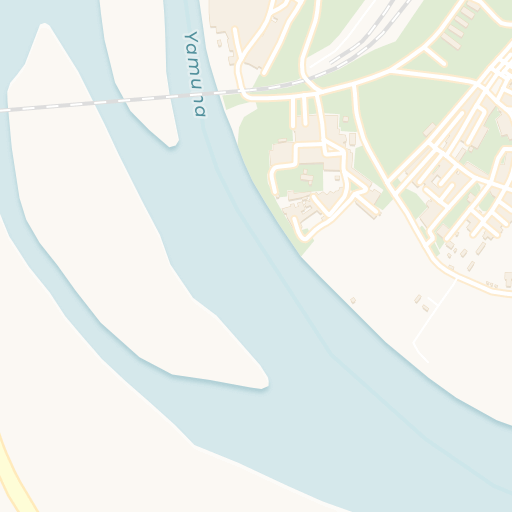
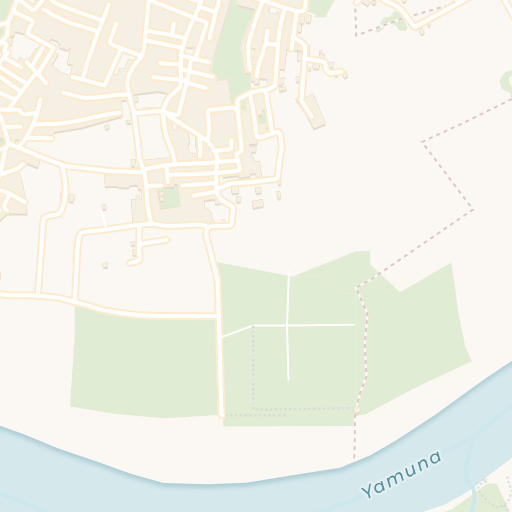
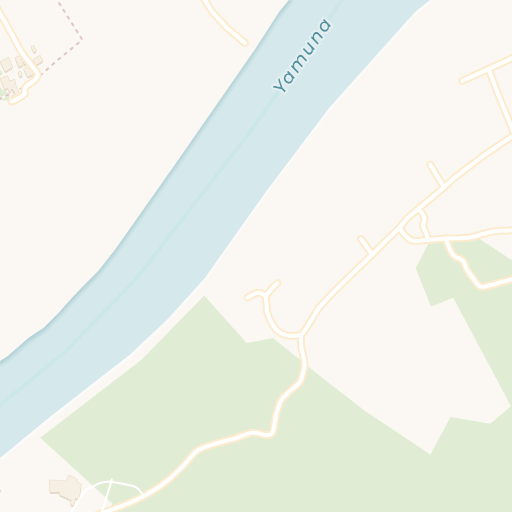
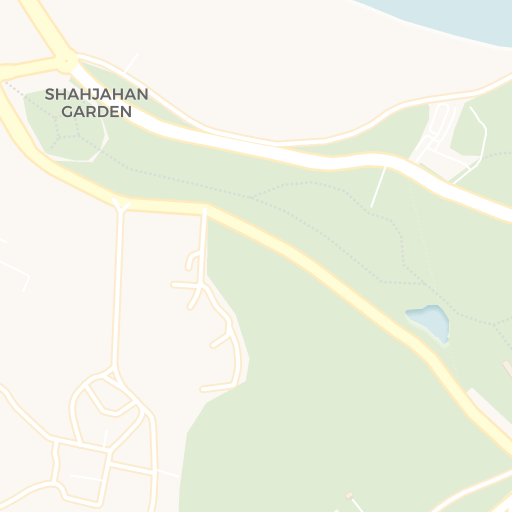
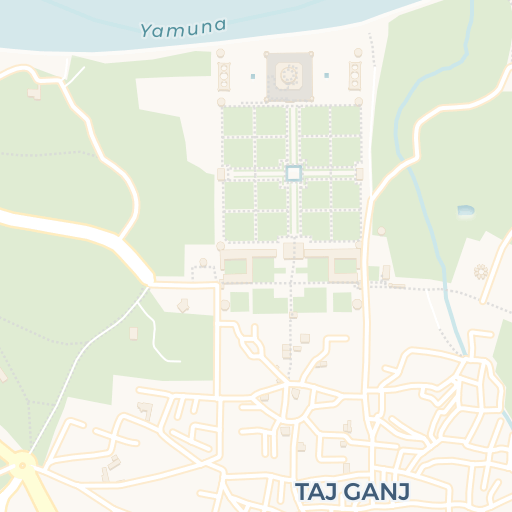
Get directions Open in Apple Maps
© OpenStreetMap contributors · © CARTO · 27.175, 78.0419
Plan your visit
Admission: ₹50–₹1100 · Day grounds admission varies by visitor category: ₹50 Indian/OCI, ₹540 SAARC/BIMSTEC and ₹1,100 other foreign nationals; main-mausoleum entry costs ₹200 extra; children under 15 enter free.
Prices verified October 2026
Day visit and Friday closure
The grounds open 30 minutes before sunrise and close 30 minutes before sunset. The Taj Mahal is closed to general visitors every Friday, when the mosque is used for prayers. The east and west gates admit visitors; the south gate is exit-only.
Tickets and the mausoleum supplement
Day admission varies by visitor category. The listed grounds ticket does not include entry inside the main mausoleum: add the separate mausoleum supplement if you want to enter the cenotaph chamber. Children under 15 enter free. Use the official Archaeological Survey of India portal for the dated rate and ticket conditions; night viewing is a different, tightly limited product.
Security and arrival
Bring only essentials. Food, tobacco products, tripods, large bags and many electronic items are prohibited, and books are discouraged. One water bottle is allowed. Polluting vehicles stop outside a 500-metre perimeter; battery buses and golf carts connect the east- and west-side parking areas with the gates.
Access inside the complex
Wheelchairs and first aid are available through the Archaeological Survey of India office. Routes across the grounds include long distances and changes of level, and entering the mausoleum requires following the managed visitor route. Photography is prohibited inside the main mausoleum; remain quiet and do not touch or scratch the marble and inlay.
What is free
Children under 15 do not pay day admission. Everyone else needs the relevant ticket to enter the walled monument grounds; the roads and public viewpoints outside the gates can be used without admission. The Taj Museum is free once inside the paid complex, so it is not a free way into the site.
Verified against Taj Mahal — Uttar Pradesh Tourism, October 2026.
When to visit
October through February offers the most comfortable daytime conditions. Agra's long-term mean highs are about 22–29°C from November through February, though winter mornings can be cool or hazy. March and October are warmer shoulder months, while May and June average above 41°C at the daily maximum. July and August bring the heaviest monsoon rain.
In hot months, use the first operating period after sunrise. Whatever the season, check the official date before planning around the monument: general visits are unavailable on Fridays, and sunrise and sunset determine the daily opening window.