

Necropolis of Banditaccia
Last updated on October 8, 2026Why visit Necropolis of Banditaccia
Not a cemetery -- a city. The Banditaccia at Cerveteri is laid out with streets, squares and houses, the difference being that the houses are tombs cut into the tufa and the streets run between them. It covers 400 hectares and holds about a thousand tombs, which makes it the largest ancient necropolis in the Mediterranean, and the roads through the visitable part are sixth-century BC. The Etruscans built their dead a town plan, and because they modelled the chambers on their own houses -- rooms, beds, chairs, ceilings cut to imitate beams -- walking it is the closest anyone gets to walking into an Etruscan interior.
Visit if you:
- want Etruscan domestic architecture, which survives nowhere else because they built houses in wood and tombs in rock
- are interested in how a culture organises its dead when it has the room to do it properly
- like archaeology you walk through rather than look at from a path
- are doing the pair with Tarquinia and want the architecture half
Skip it if you:
- are coming for wall painting -- that is Tarquinia, where about 200 chambers are frescoed; the draw here is the carved architecture
- want to see the finds: the tombs were emptied over centuries, often chaotically and illegally, and their contents are in museums across the world
- cannot manage uneven ground -- the streets are cut into tufa and the tombs are entered down steps and corridors
Quick facts
- Type: Ruins, Cemetery, Historic Place
- Local name: Necropoli della Banditaccia (vedi la pagina italiana)
- Visitor access: Open to visitors
- Size: 400 hectares, of which 10 visitable
- UNESCO World Heritage Site: Yes
Visit responsibly
These tombs were emptied over several centuries, often chaotically and illegally, and that history is the site's defining wound: the ceramics and jewellery that came out of them are now in museums across the world, and the archaeological context that would have explained them is gone. The ground is still productive, and anything picked up off it continues the sequence.
The chambers are carved from tufa, which is soft. Every surface a visitor can reach -- the cut beds, the modelled chairs, the imitation roof beams, the doorways -- is rock that abrades under hands and feet. These are not stone copies of furniture, they are the furniture, cut in place, and they are the only Etruscan domestic interiors that exist.
The visitable 10 hectares are a fortieth of the site. The other 390 are unexcavated or unprotected archaeology without a fence around it, and the boundary of the ticketed area is not the boundary of the necropolis.
Cerveteri is an ordinary town of the Roman hinterland that happens to sit beside the largest ancient necropolis in the Mediterranean, and most visitors arrive, see the site and leave. Eating and buying in the town is what connects the two.
Where it is
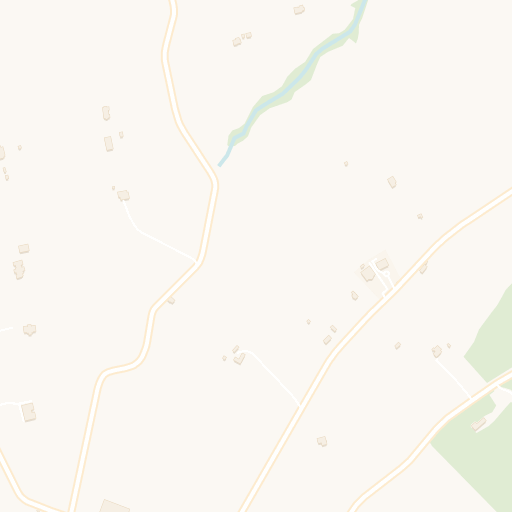
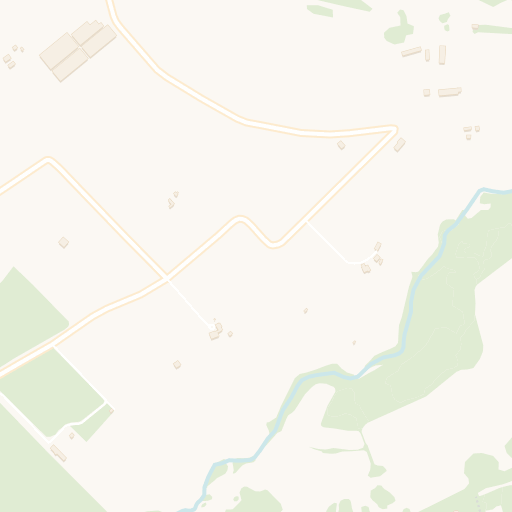
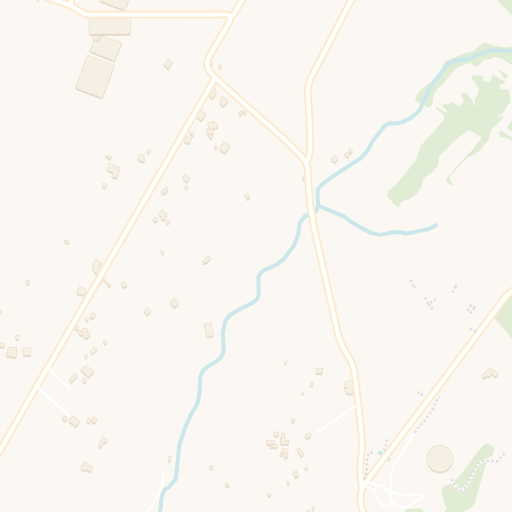
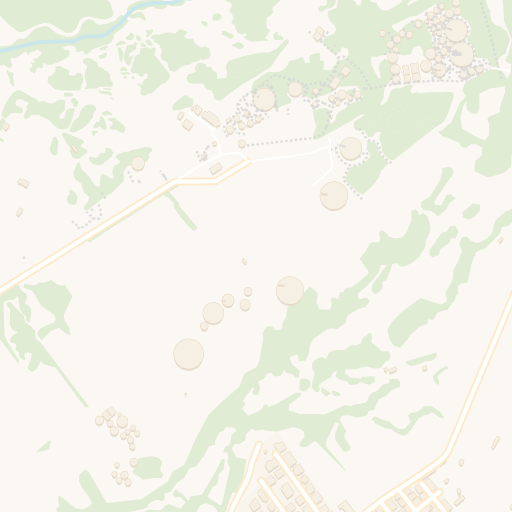
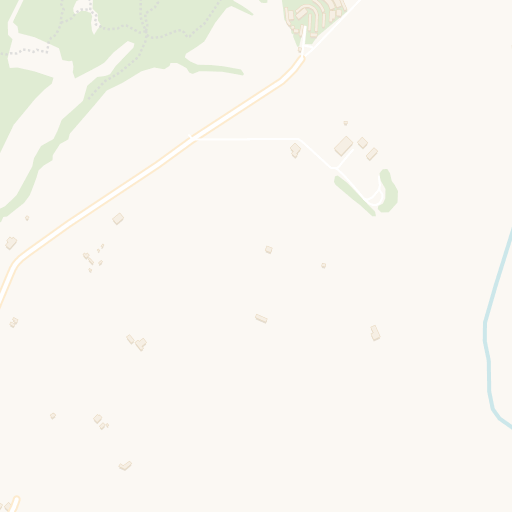
Get directions Open in Apple Maps
© OpenStreetMap contributors · © CARTO · 42.0075, 12.105
Plan your visit
The Banditaccia is open Tuesday to Sunday from 09:00 to 17:00 and closed on Mondays, per the Comune di Cerveteri's own register. The entrance is at Via della Necropoli 43-45, 00052, about 1.5 km from the town. The site is run by the Parco Archeologico di Cerveteri e Tarquinia, whose published contacts are 06 9940001 and pa-certa.info@cultura.gov.it.
No admission price is quoted here, and the omission is still deliberate. The comune directs visitors to the Portale dei Musei Italiani to buy online and to the ministry's own page for costs; neither of those hosts could be read when this was written. A commercial site does publish figures for the Cerveteri and Tarquinia necropoleis, but it gives no evidence of being the operating institution rather than a booking intermediary -- no statement of concession, no institutional identity -- so quoting its numbers would assert an authority nobody has checked. Buy at the gate or through the official portal.
What is open is a fraction of what is there. The fenced and visitable enclosure covers about 10 of the site's hectares and takes in roughly a thousand tombs with the two sixth-century BC streets that run between them, while the plateau extends over a far larger area and holds hundreds of thousands more. The comune gives the whole necropolis as about 20 hectares of tumuli, crossed by a sepulchral road more than 2 km long.
Inside the Recinto, the Tomba dei Rilievi is the one to find: a fourth-century single-chamber hypogeum whose walls carry a parade of everyday objects rendered in stucco and paint. The Regione Lazio notes that bilingual tactile panels in the enclosure help visitors with impaired sight follow the itinerary, which runs from the oldest tombs at the top to the most recent lower down. Allow for unpaved ground and tomb interiors reached by steps.
Verified against Comune di Cerveteri, October 2026.
When to visit
April to June and September to October are the comfortable months. The Banditaccia at Cerveteri is an open plateau of cut tufa with very little shade between the mounds, which makes July and August hard going in the middle of the day; the tomb chambers themselves are cool and dim year-round, so the season affects the walking rather than the looking. Morning and late afternoon light is also what the site wants -- the architecture here is carved, and raking light reads the mouldings, the capitals and the doorways that flat midday sun erases. Winter is quiet and entirely workable on a dry day, though tufa underfoot is slippery after rain. If you are pairing this with the painted tombs at Tarquinia, note they are a separate site about 50 km up the coast, not an adjoining one.