

Villa of Tiberius and the Grotto
Last updated on October 8, 2026Why visit Villa of Tiberius and the Grotto
In 1957 engineers building the coastal road at Sperlonga cut into the grounds of a Roman villa and found a cave full of smashed marble. Reassembled, it turned out to be four sculptural groups from the Odyssey, arranged around a circular pool inside a natural sea grotto that the emperor Tiberius used as a dining room. The ceiling came down on him in 26 AD and nearly killed him; the sculptures were crushed into thousands of fragments, either then or in a later fall. What the museum shows is therefore the same objects twice over -- the pieced-together originals, and plaster reconstructions that Mary Beard calls "creative reinventions".
Visit if you:
- want Hellenistic sculpture at its most theatrical, in the room it was made for
- are interested in how reconstruction works, and in how much of a famous object is guesswork
- like the idea of dining inside a cave with a shipwreck staged in the water in front of you
- care about Odysseus as a character rather than as a plot
Skip it if you:
- are coming in bad weather -- the archaeological area closes when conditions are adverse, and the grotto is the point
- arrive late in the day out of season: in November and December the area's last entry is 15.00, while the museum stays open to 19.30
- expect the sculptures intact: they were shattered, and what stands in the museum is partly original and partly educated guesswork
Quick facts
- Type: Roman, Ruins, Museum
- Local name: Villa di Tiberio e la Grotta (vedi la pagina italiana)
- Visitor access: Open to visitors
Visit responsibly
These sculptures were found shattered into thousands of fragments and have been reassembled over nearly seventy years, a process still unfinished as smaller pieces are matched up. Many of the figures carry plain marble struts holding sculpted elements together -- the structural compromise the carvers themselves made -- and the joins in the modern reconstructions are weaker than the marble around them.
The first weeks after the 1957 discovery are the cautionary tale this site carries. Before proper archaeological direction began, the disturbance of the ground lost the exact position of several large fragments, and the arguments about which piece belongs where have run ever since. Context, once lost, is not recoverable by study.
The grotto is a working natural cave at the water's edge that has already collapsed once, in 26 AD, nearly killing an emperor. The operator closes the archaeological area in adverse weather for reasons that are about the rock rather than about comfort, and the barriers inside it are the same kind of judgement.
Sperlonga is a small coastal town, one of I Borghi più belli d'Italia, that fills with beach visitors in summer and empties outside it. The museum and the villa are open all year and the town is not; a visit in the shoulder months spends money where and when it is most use.
Where it is
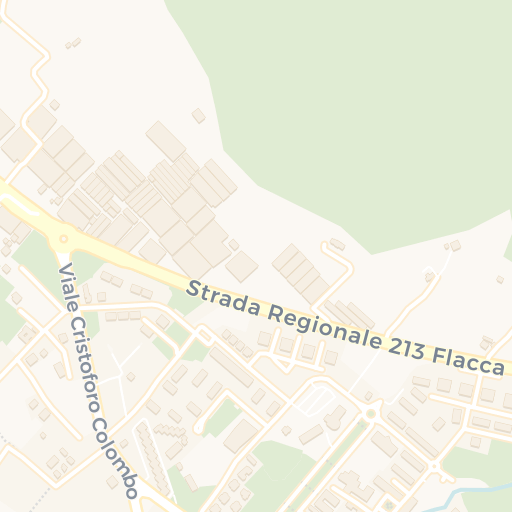
Get directions Open in Apple Maps
© OpenStreetMap contributors · © CARTO · 41.26667, 13.43333
Plan your visit
The Museo Archeologico Nazionale and the archaeological area of Sperlonga are run by the Direzione regionale Musei Lazio as one site with two timetables, and the difference is the thing to plan around.
The museum opens 8.30-19.30, with last entry at 19.00. The archaeological area's last entry changes through the year: 15.30 in January; 16.00 in February and March; 18.00 from April to September; 17.00 in October; and 15.00 in November and December -- closing an hour after each, with the February-March and October figures running until the clocks change. Both are closed on Mondays and on 1 January and 25 December, except for extraordinary openings under Ministry projects. In adverse weather conditions the archaeological area stays closed.
Admission is 5.00 euro full while improvement works on the site continue, with a museum-only ticket also at 5.00 euro valid during the hours the archaeological area is shut. Reduced entry is 2.00 euro for ages 18 to 25, and entry is free from 0 to 18, with the other national reductions as published by the Ministry of Culture. An annual pass at 15.00 euro has been available online through the "Musei Italiani" platform and app since 2 March 2026. A Sperlonga-Formia circuit ticket covers this site and the Museo Archeologico Nazionale di Formia at 10.00 euro full, valid 30 days from issue, and a cumulative ticket covers the archaeological parks and museums of the province of Latina. (Hours and prices as published by the operator on 8 October 2026 -- confirm before travelling.)
Verified against Italian Ministry of Culture, October 2026.
When to visit
April to September is the only window in which the Sperlonga archaeological area keeps long hours -- last entry 18.00, closing 19.00 -- and it is also when the grotto is most likely to be open, since the area closes in bad weather. October gives last entry at 17.00. From November to December the area's last entry drops to 15.00 and in January to 15.30, so a winter visit is a morning visit or nothing, even though the museum itself stays open until 19.30. Mondays are closed all year, as are 1 January and 25 December. Within a day, the grotto faces the sea and is dim at the back even at midday -- it needed artificial light when Tiberius used it -- so bright middle-of-the-day light outside does not translate into a better view inside. Spring and early autumn also avoid the Tyrrhenian beach crowds that Sperlonga draws in high summer.