

Tarquinia National Museum
Last updated on October 9, 2026Why visit Tarquinia National Museum
Two things make this museum worth a detour rather than a look. The first is that the painted tombs of the Monterozzi necropolis are here -- the Triclinium, the Bigas, the Olympic Games, the Ship -- detached in the 1950s to save them and remounted on frames that rebuild the shape of the burial chambers. You can stand inside a reconstructed Etruscan tomb with its original paintings on the walls, which is not possible in the necropolis itself for most of them.
The second is the Cavalli Alati: a high relief of a pair of winged horses, found in 1938 at the Ara della Regina, the 4th-century B.C. Etruscan temple of Tarquinia, and on display here since the autumn of that year. It is one of the defining objects of Etruscan art.
Around those two things sits a complete chronological run of a single Etruscan city -- Villanovan pots, Egyptian and Phoenician imports, Corinthian ware and the Etruscan imitations of it, bucchero, Attic black- and red-figure, bronze coinage, gold jewellery, and the heavy stone sarcophagi of the leading Tarquinian families, some cut from Greek marble.
The friction is that all of it is inside a 15th-century palace with three floors and no obvious shortcut, and that the state operator publishes no hours this page could verify. Telephone before you go.
Visit if you:
- are visiting the Monterozzi necropolis -- the paintings are here, not there
- want to follow one Etruscan city from the 9th century B.C. to the Roman colony
- care about early Renaissance architecture; the building is a monument in itself
- like museums arranged strictly in chronological order
Skip it if you:
- cannot manage three floors of a 15th-century palace
- want Etruscan material in situ rather than in cases
- are relying on finding it open without having phoned ahead
Quick facts
- Type: Museum, Palace, Historic Place
- Local name: Museo archeologico nazionale di Tarquinia (vedi la pagina italiana)
- Built: Palazzo Vitelleschi built 1436-1439; museum opened 1924
- Built by: Cardinal Giovanni Vitelleschi, under Pope Eugenius IV
- Built for: A cardinal's palace; since 1924 the national archaeological museum
- Architectural style: Early Renaissance, with a facade mixing Gothic and Renaissance
- The Cavalli alati: Winged horses from the Ara della Regina, found 1938
- The tomb paintings: Four Monterozzi chambers detached in the 1950s and remounted here
Visit responsibly
The most important things in this museum are here because leaving them where they were would have destroyed them. The paintings of the Triclinium, the Bigas, the Olympic Games and the Ship tombs were cut off the walls of the Monterozzi necropolis in the 1950s for conservation reasons. That is a drastic act and it was done because painted plaster in a damp underground chamber does not survive visitors. Understand the museum as the consequence of that problem, and behave in the necropolis accordingly -- the tombs that remain painted in situ are living on the same thin margin.
The collection also carries the marks of how Etruscan material was gathered. Its nucleus came from a private 19th-century collection, the counts Bruschi-Falgari's, acquired by the State in 1913, and from municipal digging on the Monterozzi from 1874 -- and one of its best pieces, the Sarcophagus of the Amazons, had already left for Florence in 1872. Objects travel, and not always lawfully; this is one of the museums that benefits from them being brought back together.
Inside, the sarcophagi on the ground floor are unglazed carved stone at hand height, several of them in Greek marble. Do not touch them, and do not lean on cases. No flash near the detached paintings.
Buy a ticket at the museum rather than through an intermediary where you can: the museum is a state institution inside the Parco archeologico di Cerveteri e Tarquinia, and the money is better off going there.
Where it is
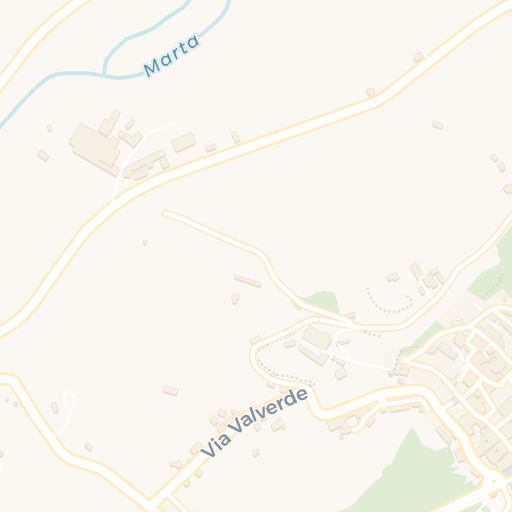
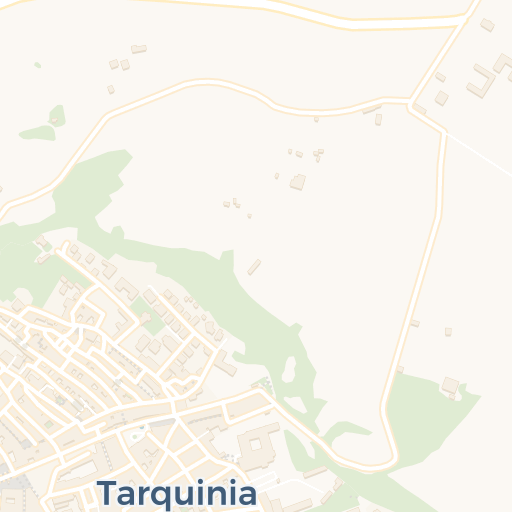
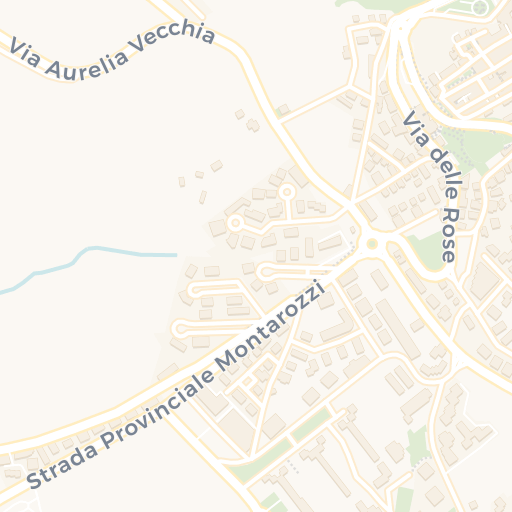
Get directions Open in Apple Maps
© OpenStreetMap contributors · © CARTO · 42.25361, 11.75694
Plan your visit
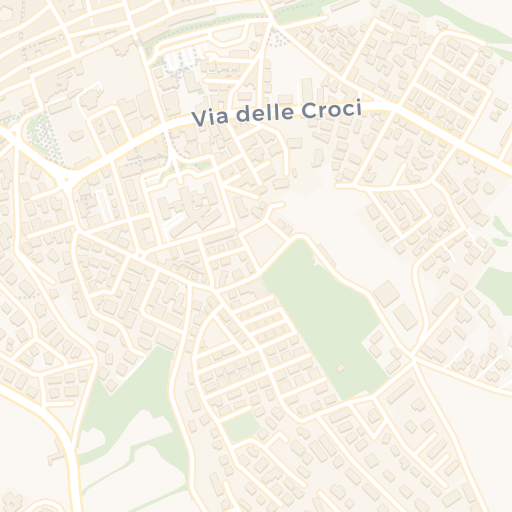
The Museo archeologico nazionale di Tarquinia is in Palazzo Vitelleschi on piazza Cavour, in the historic centre of Tarquinia. It is a state museum and forms part of the Parco archeologico di Cerveteri e Tarquinia, an autonomous institute of the Ministry of Culture.
The Comune di Tarquinia publishes the museum's official contacts on its own register of places: telephone +39 0766 856036, e-mail pa-certa@cultura.gov.it. That address is the archaeological park's own.
No opening hours and no ticket price are given here. The comune's page carries headings for them but no readable values, and the ministry's own page for the museum could not be reached when this was written. A commercial site does publish hours and prices for Tarquinia and Cerveteri, but it shows no evidence of being the operating institution -- no ownership statement, no VAT number, no reference to the park or the ministry -- so its figures are not repeated here. Telephone the museum before travelling.
Allow time for three floors. The display is arranged chronologically from the ground floor upwards -- stone, then ceramics and metalwork, then the detached tomb paintings -- and the building is a 15th-century palace, so expect stairs.
Pair it with the Monterozzi necropolis. The painted chambers the museum's top floor is built around were cut out of those tombs, so the two sites are halves of one visit.
Verified against Comune di Tarquinia, October 2026.
When to visit
This is an indoor museum on three floors of a stone palace, so the weather matters less here than at any other site in this group -- which makes it the obvious wet-day or high-summer choice when the Monterozzi necropolis in the open is punishing.
The one timing decision worth making is the order. See the necropolis first and the museum second: the painted chambers on the upper floor were detached from those tombs in the 1950s, and they make far more sense once you have stood in the ground they came out of.
Light matters on the second floor, which is a square open porch with views over the city and the countryside -- worth a clear day rather than a grey one, though the paintings themselves are lit independently.
Because the state operator publishes no calendar that could be read when this page was written, treat opening as the variable to confirm rather than the season. A telephone call to +39 0766 856036 settles it.