

Complesso conventuale di Santa Caterina, Finalborgo
Last updated on October 19, 2026Why visit Complesso conventuale di Santa Caterina, Finalborgo
Because there are prison cells inside the bell tower, and the people who scratched their names into them are known.
The draw is a convent that became a jail and kept the evidence. In 1864 the Genoese directorate of the Genio militare rebuilt the inside of the campanile as punishment cells — each about 170 by 90 centimetres, with no opening but a spyhole above the door. They are perfectly conserved and visitable, and their walls and doors carry graffiti: names, dates, and lines drawn to count the time passed.
The friction is that the building's best art is no longer in it. A good part of what was here went to the basilica of San Biagio when the convent was confiscated — by Napoleon, and then by the Italian government in 1864. The church is an auditorium now.
The smart way is to buy one ticket and use all of it. €5 gets the archaeological museum of the Finale, open here since 1931 and covering over 350,000 years; the two Renaissance cloisters of 1500-1530; and the early-fifteenth-century frescoes. The campanile with its cells is a separate €2, Sunday mornings only, booked by telephone on 019 690020.
Quick facts
- Type: Monastery, Museum, Historic Place
- Local name: Complesso conventuale di Santa Caterina, Finalborgo (vedi la pagina italiana)
- Built: Founded 1359 by the Del Carretto as a burial area; church of the first half of the fifteenth century; two cloisters 1500-1530; bell tower rebuilt inside as prison cells in 1864; conserved 1995-2004
- Designed by: Founded by the Del Carretto; the two cloisters built for cardinal Carlo Domenico Del Carretto; the prison cells by the Genoese directorate of the Genio militare (1864)
- Architectural style: A conventual complex round two communicating Renaissance cloisters, with a fifteenth-century church originally of three naves on columns of Pietra di Finale and a bell tower raised on an apsidal chapel
Visit responsibly
The cells are a human-rights document, not a curiosity. The graffiti on their walls were made by people held in about 170 by 90 centimetres in what the record calls an absolute absence of human rights and personal dignity — among them anarchists and socialists of 1898 and later antifascists. Do not touch or add to them.
The frescoes are six hundred years old and were nearly lost twice. The early-fifteenth-century cycles survived a Napoleonic spoliation, a conversion to a prison and a restructuring that removed every other religious reference. No flash, and keep back from the walls.
This is a working cultural centre, not only a museum. The complex holds a congress hall in the former church, exhibition space in the oratory of the Disciplinanti, the Biblioteca mediateca Finalese with over 170,000 volumes and a refreshment point run with ethical aims. Events may be in progress.
Buy the ticket here even if you came for the cave. The Museo Archeologico del Finale is the operator that guides Castel Gavone, the Arene Candide and the Varigotti promontory; the combined rate exists to join them, and a full-price cave ticket brings this museum down to €3.
Where it is
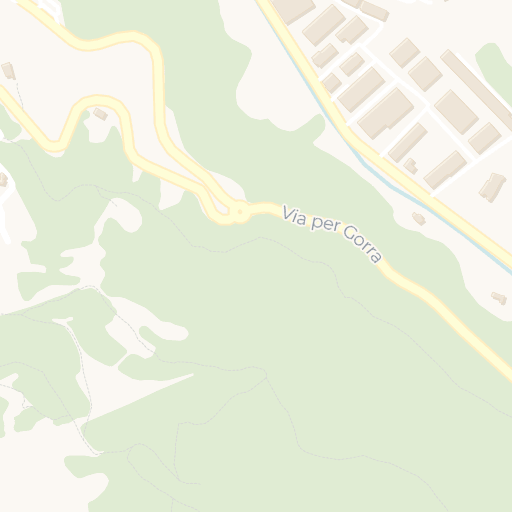
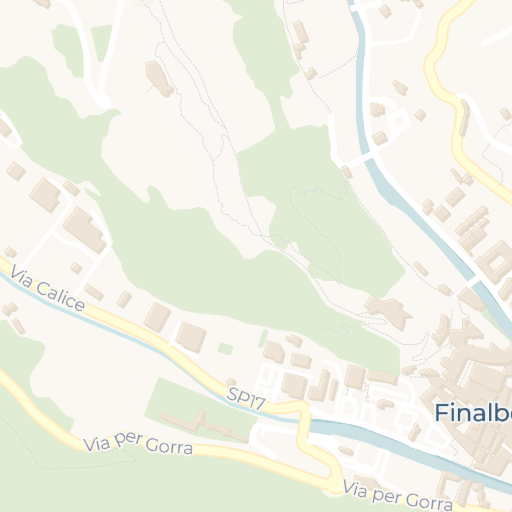
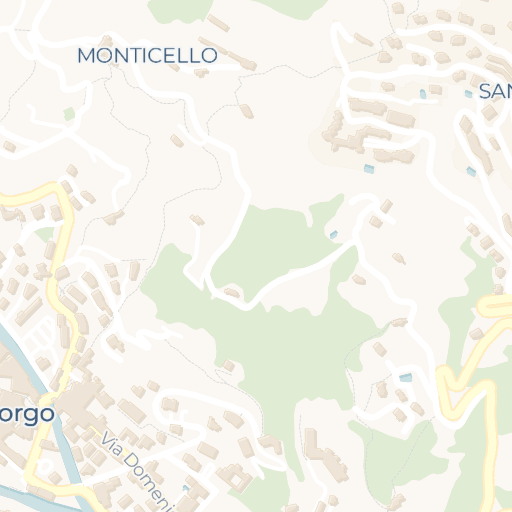
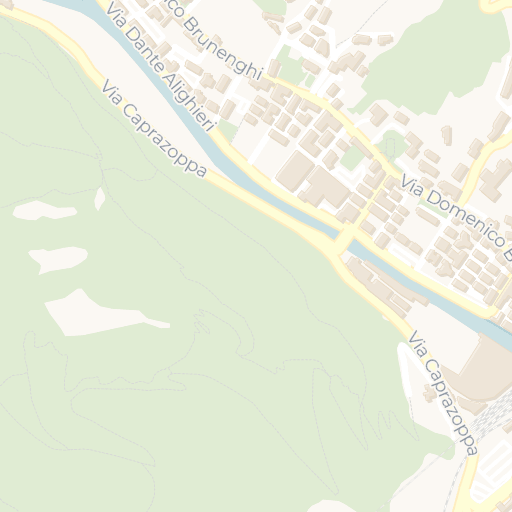
Get directions Open in Apple Maps
© OpenStreetMap contributors · © CARTO · 44.17592, 8.32616
Plan your visit
The museum's hours change twice a year and Monday is always closed. From 15 September to 14 June, Tuesday to Sunday, 9:00-12:00 and 14:30-17:00. From 15 June to 14 September, 10:00-13:00 and 16:00-19:00.
Tickets, and what each one covers. €5 full; €3 reduced for over 65s, under-16s, groups of ten or more, university students and holders of a full-price Caverna delle Arene Candide ticket; €10 family, for two adults and at least one child under 12; free under six, with a European Disability Card plus a companion, for tourist guides and for ICOM members. The ticket includes all sections. Cash, credit cards and bancomat.
The prison tower is extra and it is Sunday mornings only. A visit to the Campanile di Santa Caterina costs €2, only on Sunday mornings and by prior telephone booking. Guided visits of any kind are booked by telephone only.
Contact and access. Chiostri di Santa Caterina, 17024 Finale Ligure (SV); +39 019 690020 and +39 351 730 6191; info@museoarcheofinale.it. The museum describes itself as completely accessible, with a lift reaching every floor — located in the second cloister, with a video entryphone — rooms free of architectural barriers, and touch, tactile and olfactory stations at accessible height.
Getting here. TPL Linea buses 40 and 40/ stop at Finalborgo Centro, 200 metres away; Finale Ligure Marina station is 1.6 km; the A10 exit is Finale Ligure. Car access inside the walls is limited, with paid and disc parking outside and a free Municipio car park a few steps from the museum.
Verified against Museo Archeologico del Finale (MAF) / Museo Diffuso del Finale (MUDIF), October 2026.
When to visit
A Sunday morning, if you want the cells. The campanile visit runs Sunday mornings only and by telephone booking on 019 690020. Everything else is open Tuesday to Sunday.
Check which timetable you are in. Winter hours run 15 September to 14 June (9:00-12:00, 14:30-17:00) and summer hours 15 June to 14 September (10:00-13:00, 16:00-19:00). The afternoon gap is long in both.
April to June and September to October are the best months for the town around it. August fills Finalborgo, and the cloisters are a venue in their own right — Finale Ligure's record names the Percorsi Sonori concert season here, and Viaggio nel Medioevo takes a week of August in the streets outside.
Indoors is indoors. Unlike the castles and the cave on this comune's other pages, this is a museum with published hours in a flat town centre, which makes it the reliable wet-weather and winter option in the Finalese.