

Concattedrale di San Pietro, Noli
Last updated on October 18, 2026Why visit Concattedrale di San Pietro, Noli
Because the fishermen of Noli paid for this church out of what they caught on Sundays, and the town still calls it by their name.
The draw is a building whose funding is in its title. It is known locally as San Pietro dei Pescatori — St Peter of the Fishermen — from the tithes on the proceeds of feast-day fishing collected in the thirteenth century to build the first structure. Inside are a silver processional cross of 1417 and the fifteenth-century Pallio di Sant'Eugenio.
The friction is that it was promoted into something grander and partly rebuilt. In 1572 it took the cathedral title from San Paragorio, and from the later sixteenth century it was transformed; the campanile, the perimeter walls and the internal pillars all date from that promotion rather than from the fishermen's church.
The smart way is to see it against San Paragorio. Fifteen minutes apart, one inside the walls and one outside: the central church that won the title in 1572 and the Romanesque one that lost it. Neither publishes an opening hour, so take whichever door is open.
Quick facts
- Type: Church, Sacred Place, Historic Place
- Local name: Concattedrale di San Pietro, Noli (vedi la pagina italiana)
- Built: Thirteenth century from fishing tithes; bell tower, perimeter walls and internal pillars from 1572; transformed from the later sixteenth century
- Architectural style: Thirteenth-century fabric remodelled from the later sixteenth century and again in the seventeenth
Visit responsibly
This is the parish church of a town of 2,444 people. It is in use and it is not a museum; about three hundred of those people live inside the borgo.
If a service is on, do not tour around it. That applies especially on the second Sunday in July.
The silver cross and the pallio are fragile and portable. A 1417 processional cross and a fifteenth-century textile are both the kind of object that leaves a church permanently if handled carelessly.
There is no custodian and no ticket desk. Nothing here is staffed for visitors; an open door is a courtesy.
Walk in. The piazza della Cattedrale is inside a wall circuit of narrow caruggi, many of them spanned by supporting arches.
Where it is
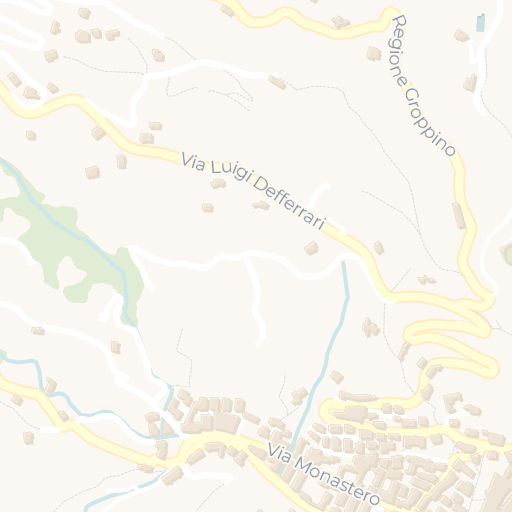
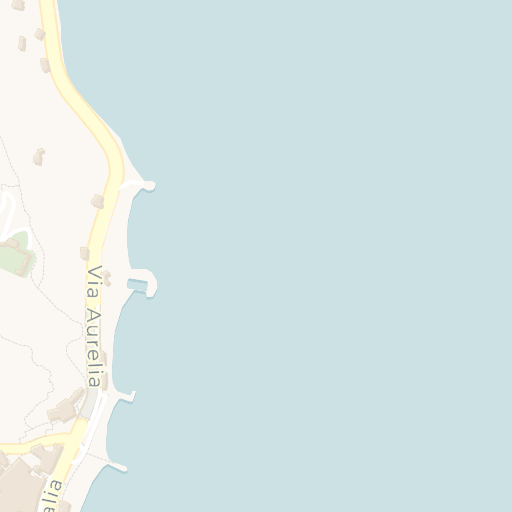

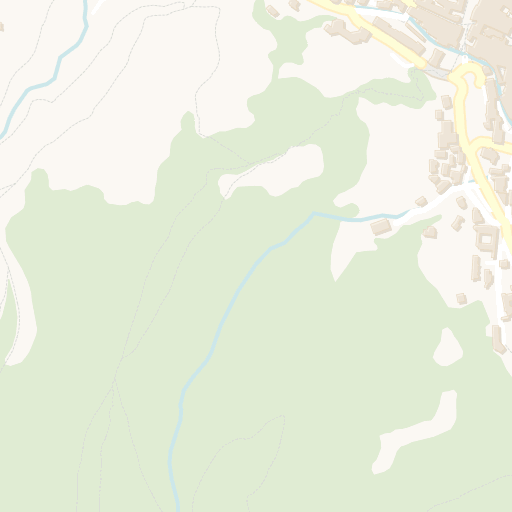
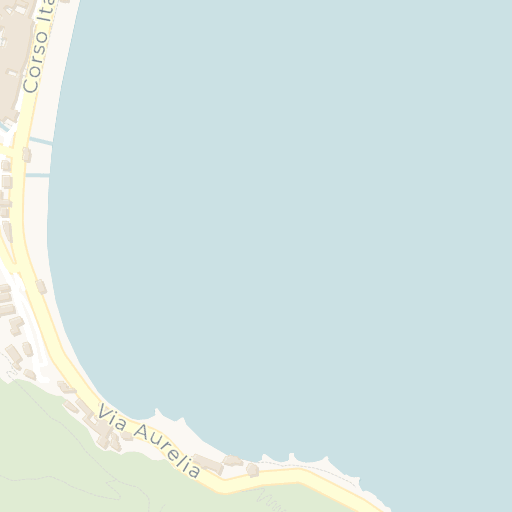

Get directions Open in Apple Maps
© OpenStreetMap contributors · © CARTO · 44.20533, 8.41573
Plan your visit
No opening hours, Mass times or admission are published for this church by the Comune di Noli or by anything else read for this entry, and the comune publishes none for any building in the comune. It is the parish church of the town; the absence means nothing is ticketed, not that the door is open.
It is in the piazza della Cattedrale, inside the walls, in the middle of the historic centre — a few minutes from the porticoed seafront and the Palazzo del Comune.
A Sunday morning is the best ordinary chance, and the second Sunday in July — the feast of Sant'Eugenio, whose fifteenth-century pallio is kept here — is the one date in the year when the church is unmistakably in use.
Pair it with San Paragorio. The church that lost the cathedral title in 1572 stands a short walk outside the walls, in Via Collegio.
Contacts. Comune di Noli, Piazza Milite Ignoto 6, 17026 Noli (SV), switchboard 019 7499520; tourist office Via Anton da Noli, 019 748384.
Verified against Comune di Noli, October 2026.
When to visit
The second Sunday in July. The feast of Sant'Eugenio, the patron of Noli, whose fifteenth-century pallio is kept in this church.
Sunday mornings otherwise. No Mass times are published by anyone, so this is the reasonable bet for a working parish church.
April to June and September to October for the town around it. The two comfortable windows on this coast, and the months when Noli is not full.
August is the peak and the church is not the reason. This is a Bandiera blu beach resort in its busiest month.
Any time for the piazza. The church fronts the piazza della Cattedrale in the middle of the walled borgo, which is always walkable.