

Santuario della Madonna dei Fiori, Bra
Last updated on October 14, 2026Why visit Santuario della Madonna dei Fiori, Bra
Because of the bushes. The record states plainly that the blackthorn here still flowers inexplicably every year in the depth of winter, instead of in spring, without science having been able to find an explanation.
The thicket is the point of the place. The tradition holds that on 29 December 1336 a young pregnant woman, Egidia Mathis, threatened by mercenaries while praying at a votive pillar, was saved by an apparition of the Virgin — and that all around, in full winter, the wild plum bushes suddenly flowered.
The friction is that this is a working sanctuary, not a monument: no ticket, no published visiting hours, and a complex that includes a rest home for elderly priests.
The tactic: come in winter, which is the opposite of normal advice, because that is when the thing you came for happens. Or come on 8 September, the patronal feast, when the statue is carried in procession.
Quick facts
- Type: Sacred Place, Church, Historic Place
- Local name: Santuario della Madonna dei Fiori, Bra (vedi la pagina italiana)
- Built: Old sanctuary 1626; new sanctuary begun 1933 and still unfinished
- Designed by: Santuario Nuovo by the engineer Bartolomeo Gallo
- Architectural style: Baroque (old sanctuary); 20th-century (new sanctuary)
Visit responsibly
People live here. The complex includes a rest home for elderly priests and a canonical house. It is a place of residence as well as devotion, and most of what you can see is not an exhibit.
This is an active place of pilgrimage. The apparition is a matter of belief; the 8 September procession and the evening prayer meetings in the crypt are observances, not performances.
The bushes are the fragile part. The Pruneto is a garden of thorn, and the midwinter flowering is the single thing this sanctuary is known for. Stay on the paths; do not pick flowering branches.
No admission is charged, which means the sanctuary's upkeep comes from offerings and the parish.
Where it is
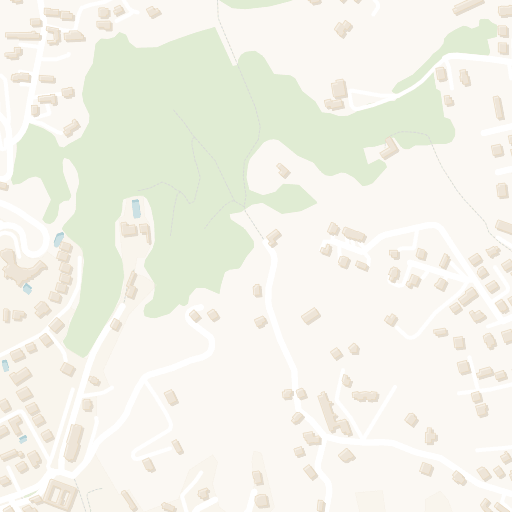
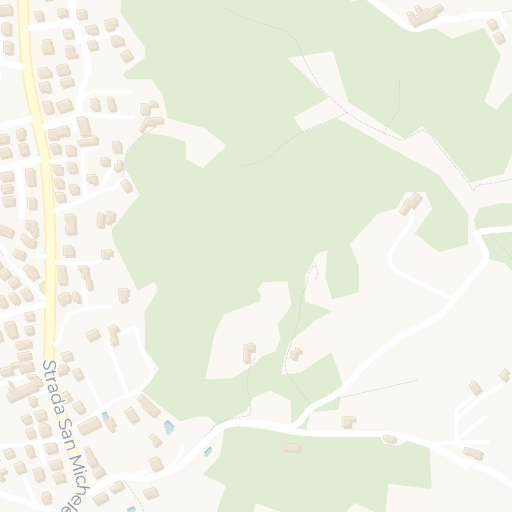
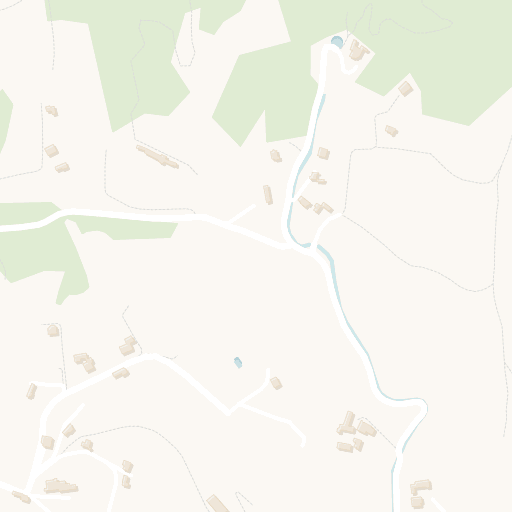
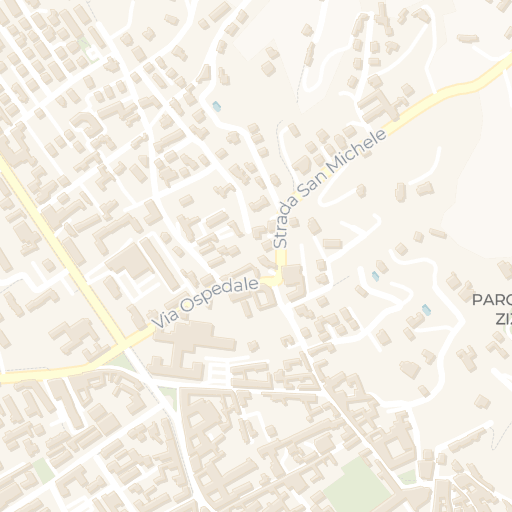
Get directions Open in Apple Maps
© OpenStreetMap contributors · © CARTO · 44.704, 7.863
Plan your visit
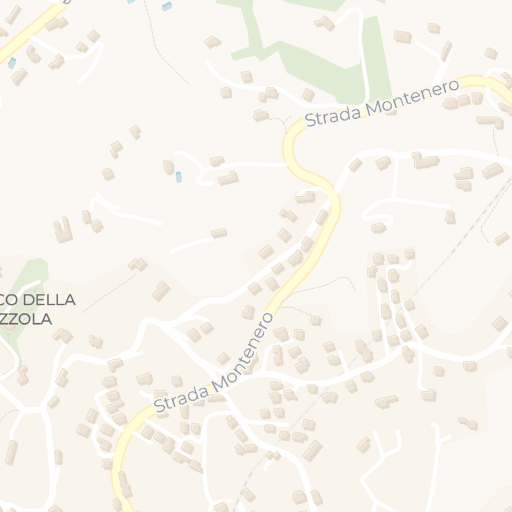
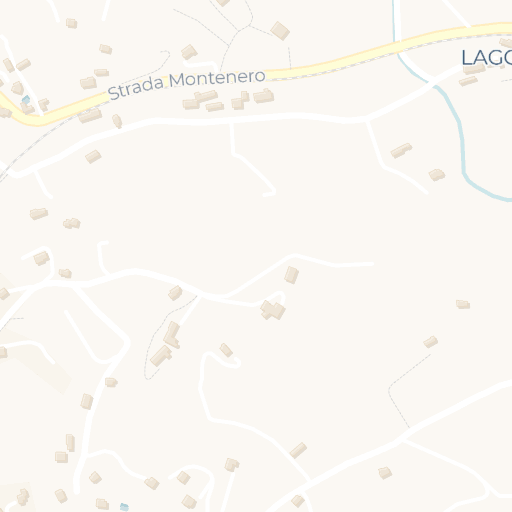
Where. At the gates of Bra arriving from Turin. The area belongs to the parish of San Giovanni Battista of Bra.
Admission and hours. It is a working sanctuary, not a ticketed monument, and no visiting hours or admission charge are given for it in the record.
What is here. The Santuario Antico of 1626 with the statue in a side chapel; the Santuario Nuovo, open for celebrations though unfinished; the crypt beneath it; and the Pruneto garden.
Note what else is on the site. The complex includes the canonical house, oratory buildings and the "Beato Valfrè" rest home for elderly priests. These are residences and not part of any visit.
The evening. The crypt under the new sanctuary is where prayer meetings are held in the evenings, so an evening arrival finds the place at its most active and least suited to sightseeing.
How long. Thirty to forty minutes for both churches and the garden.
Verified against Comune di Bra, October 2026.
When to visit
Winter — and this is the rare case where that is the recommendation rather than the compromise. The record states that the blackthorn flowers every year in full winter instead of in spring. Coming in July means coming to a thicket of ordinary bushes.
Late December sits closest to the tradition itself, which is dated 29 December 1336.
8 September is the patronal feast, and the day the statue of the Madonna dei Fiori is carried in procession. It is the busiest day of the sanctuary's year and the only one on which the statue leaves its chapel.
Evenings belong to the crypt, where prayer meetings are held. Visit earlier if you want to look rather than take part.
Spring and summer are the quietest and the least interesting, for the reason above.