

Necropoli del Poggino
Last updated on October 16, 2026Why visit Necropoli del Poggino
Because four Etruscan tombs stand open in a wood, joined by a path, and you can walk into them.
This was the cemetery of a community that held the hill from the end of the 7th century BC to the 5th. Five tombs have been identified; the four visible today are monumental, and tomb 3 — the largest and the oldest — is big enough and was rich enough to be attributed to a local family of princely rank.
The friction is that there is nobody here and nothing explaining it. The tombs were robbed by tombaroli in past ages. There is no attendant, no lighting and no panel; the ground is a woodland path.
The smart way is to come with the museum in your head. The Attic black-figure amphorae found in tomb 1 are in Castellina, and they are the point: wine jars bought from Greece for a drinking ritual, in a wood in the Chianti, two and a half thousand years ago. Visit Tuscany states that the necropolis can be visited freely.
Quick facts
- Type: Cemetery, Ruins, Historic Place
- Local name: Necropoli del Poggino (vedi la pagina italiana)
- Built: Used from the end of the 7th century BC to the 5th; tomb 3 is the oldest, tomb 4 the most recent
- Architectural style: Four monumental Etruscan chamber tombs in alberese and travertine, two with donkey-back dromos, linked by a woodland path
Visit responsibly
Everything here has already been stolen once. All five tombs were looted by tombaroli in past ages, and the damage visible in the side chambers is the damage of repeated robbery. The site survives as architecture because the architecture could not be carried away.
Free entry is not an absence of rules. There is no attendant. Do not climb on the dromos walls, do not move or lean on the door slabs, and do not touch the re-erected pillar in tomb 1 — it stands where it was put back.
Take nothing from the ground. Surface finds on an Etruscan necropolis are evidence of where things were; removed, they are worthless and the information is gone.
Stay on the path between the tombs. It exists, it links all four, and leaving it is how a woodland site gets worn into bare earth.
Pay where the work happens. The necropolis costs nothing; the museum that conserves, studies and exhibits what came out of it charges €9.00 and is run for the comune.
Where it is
Get directions Open in Apple Maps
© OpenStreetMap contributors · © CARTO · 43.442, 11.296
Plan your visit
Access. Visit Tuscany, the regional tourist board, states that the necropolis can be visited freely. It is the only published statement about access to this site and it is the basis for everything said here: there is no ticket office, no attendant and no published opening hour.
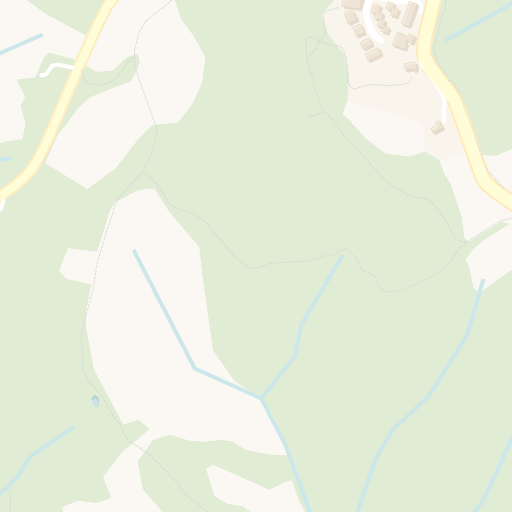
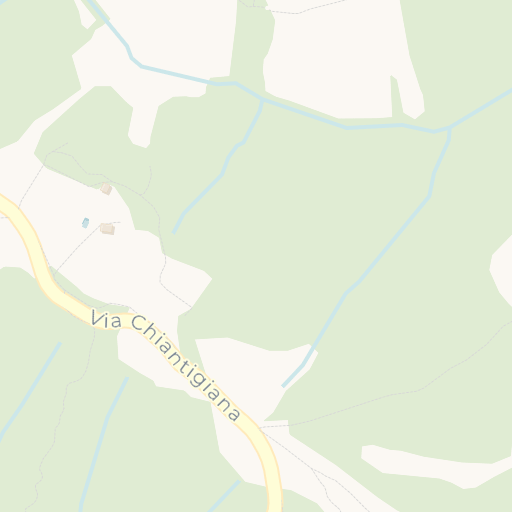
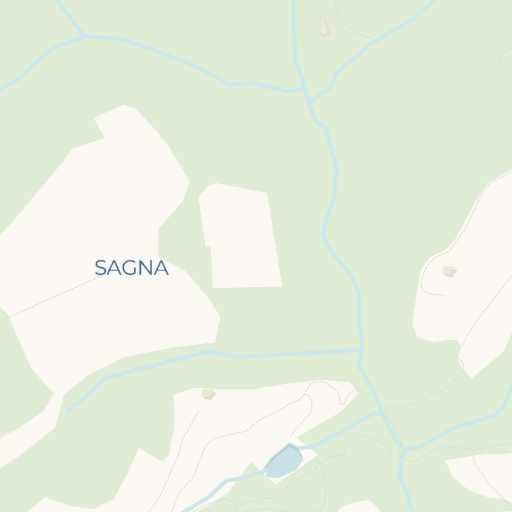
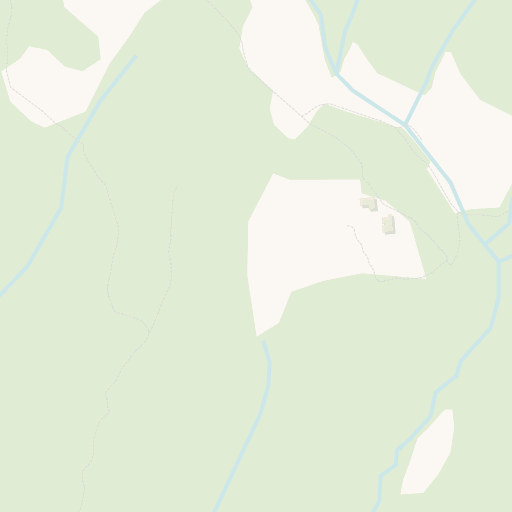
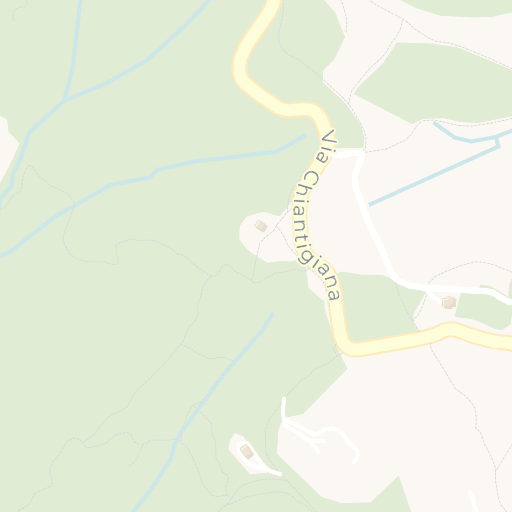
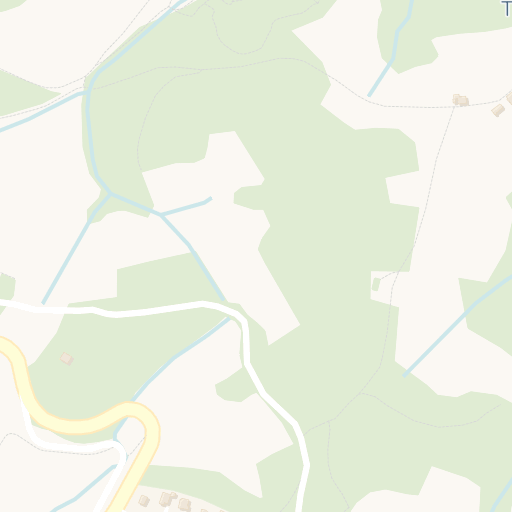
Where. In a grove in the locality of Fonterutoli, in the comune of Castellina in Chianti — out along the Chiantigiana south of the town, towards Siena. It is not a comfortable walk from Castellina's square.
What you will find. Four tombs, joined to one another by a path that winds through the wood. No lighting, no handrail, no interpretation on site.
Where the finds are. In the Museo Archeologico del Chianti in the Rocca at Castellina, Piazza del Comune 17/18, telephone 0577 742090, email info@museoarcheologicochianti.it — open daily 10:00–18:00 from April to October, and weekends only from November. Room II covers the Etruscan tombs of the 7th–6th century BC, this necropolis among them.
Getting to Castellina. From Florence, the Firenze–Siena link road towards Siena/Roma, exit at San Donato; from Siena, the SR 222.
Verified against Visit Tuscany (Toscana Promozione Turistica), October 2026.
When to visit
Dry weather, and daylight. This is an unlit woodland site with earth-cut corridors. Wet ground turns the path and the dromos into the two worst parts of the visit, and there is no artificial light inside any of the four tombs.
The wood is the compensation in summer. July and August average above 30 °C at the nearest long-run station to Castellina in Chianti, and the grove at the Poggino is one of the few shaded archaeological walks in this comune.
Tie it to the museum's calendar. The finds are visible daily 10:00–18:00 from April to October; from November the museum keeps 1 November and weekends at 10:00–17:00, some December dates, and otherwise opens by booking. The tombs and the amphorae belong together.
Any time of day is the same here, with one exception. Nothing opens or closes, but low sun across a wooded slope is poor light for looking into a chamber. The middle of the day is, unusually, the better choice.