

Rocca di Castellina in Chianti
Last updated on October 16, 2026Why visit Rocca di Castellina in Chianti
Because this is the building the frontier was fought over, and the museum inside it explains everything you will drive past afterwards.
Florence built it from 1401, on the ruins of the fortress burned in 1397, to a programme recorded in the archive of the Opera di Santa Maria del Fiore — the same body that was building the cathedral dome. It held a 44-day siege in 1452. The stair inside goes up to the top of the tower, and from there you see the Valdelsa, the Monti del Chianti and the Amiata.
The friction is that the famous silhouette is a fake. The merlons, the wall-walk and the little bell-gable were added in the 1920s by Egisto Bellini, in the fashion for recovering a building's presumed original look. Guidebooks also credit the design to Giuliano da Sangallo, who was not born when it was begun.
The smart way is to treat it as the key, not the monument. Do the four rooms first — shepherds, Etruscan princes, hill settlements, Montecalvario — then the tower, then drive out to the tumulus the chariot came from. An hour here makes sense of a whole day.
Quick facts
- Type: Castle, Museum, Historic Place
- Local name: Rocca di Castellina in Chianti (vedi la pagina italiana)
- Built: Begun 1401 on the ruins of the fortress destroyed in 1397; finished around the middle of the century
- Built by: Opera di Santa Maria del Fiore, Florence
- Designed by: Egisto Bellini (1920s restoration)
- Architectural style: Florentine cassero of dressed alberese and sandstone, with merlons, wall-walk and bell-gable added in a 1920s imitative restoration
Visit responsibly
This is still a civic building. The rocca was the municipio until 2006 and the comune's council chamber is inside it, used as exhibition space between sittings. Treat the parts that are not the museum route as what they are.
The stair and the wall-walk are the fabric, not a fitting. The climb to the tower runs through fifteenth-century masonry and a 1920s restoration; there is no modern handrail culture here. Go at your own pace and keep children with you.
The ticket money stays in the comune. The museum is run for the Comune di Castellina in Chianti and its educational programme serves local schools; the wine poured at its summer concerts comes from Castellina estates. Buying the ticket is the most direct way a visitor contributes to this town.
Book if you are a group. Booking is obligatory for guided visits and for groups bringing their own guide — not a formality in a building whose rooms are small and whose stair is single-file.
Where it is
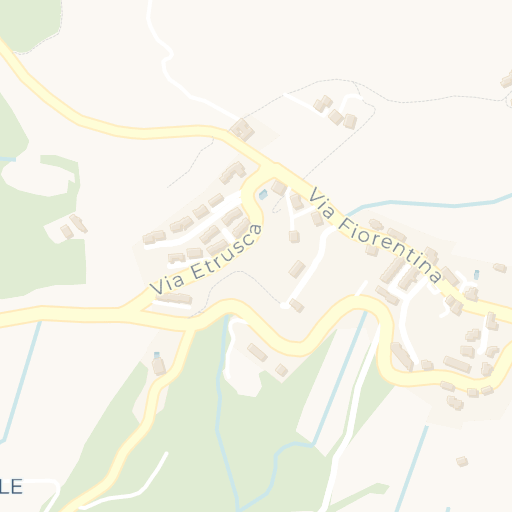
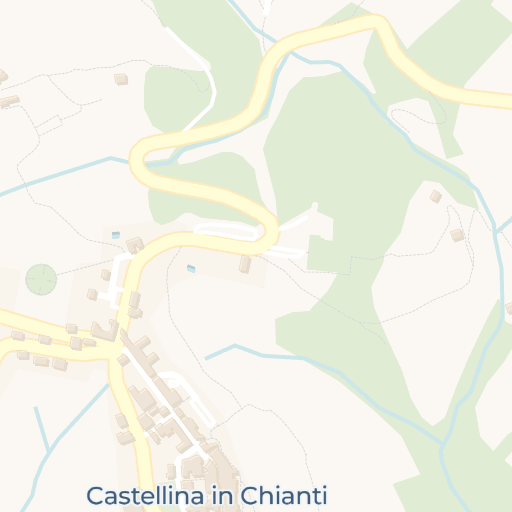
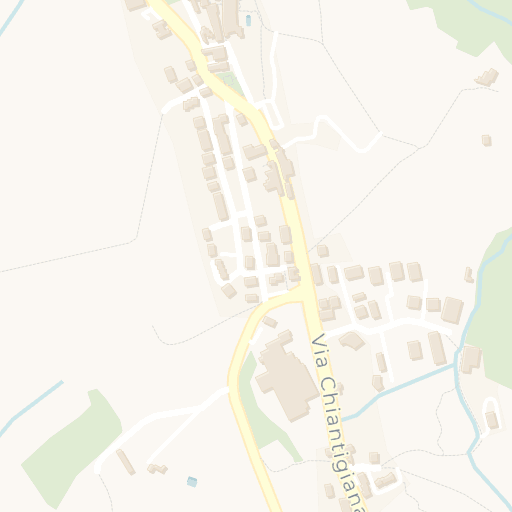
Get directions Open in Apple Maps
© OpenStreetMap contributors · © CARTO · 43.4657, 11.2887
Plan your visit
The Rocca is visited as the Museo Archeologico del Chianti, which occupies it and whose route includes the fifteenth-century rooms, the middle wall-walk and the top of the tower.
Where. Piazza del Comune 17/18, 53011 Castellina in Chianti (SI). Telephone 0577 742090, email info@museoarcheologicochianti.it. The director is Marco Firmati.
When. April to October 2026: every day, 10:00–18:00. November 2026: 1 November and every Saturday and Sunday, 10:00–17:00. December 2026: the 6th, 7th, 8th, 12th, 13th, 19th, 20th and the 26th to the 30th, 10:00–17:00; 31 December 10:00–14:00. Outside those dates it opens all year by booking for guided visits and school activities.
How much. €9.00 full; €6.50 reduced for ages 7–18, university students, holders of vouchers issued to guests staying in accommodation in the comune, and FMS Card holders; €5.00 a head for groups of fifteen or more; €3.00 for compulsory-school groups; €1.00 for groups combining entry with an educational activity; a carnet of ten tickets €45.00. Free for children 0–6, visitors with certified disability, official tourist guides, ICOM cardholders, MiC staff, leaders of school parties and groups, pupils of Castellina's schools, residents of the comune and pupils of the I.C. Monteriggioni.
Booking is obligatory both for the guided-visit service and for groups arriving with their own guide.
Getting there. The museum publishes the road directions: from Florence, the Firenze–Siena link road towards Siena/Roma, exit at San Donato and continue for Castellina in Chianti; from Siena, the SR 222.
Verified against Museo Archeologico del Chianti senese, October 2026.
When to visit
April to October is the only period you can simply turn up. The museum is open every day, 10:00–18:00, across those seven months.
From November it collapses to weekends. 1 November and every Saturday and Sunday at 10:00–17:00, then a handful of December dates, with 31 December closing at 14:00. A winter visit that has not been checked is a visit to a closed door — though the museum will open all year by booking for a guided visit.
Do the tower at the ends of the day in summer. The climb is a stone stair in an unconditioned historic building, and July and August average above 30 °C at the nearest long-run station.
Two reasons to come in the evening. In July the comune's Musica al Museo puts free concerts inside the fifteenth-century rocca, each paired with the wines of a Castellina producer. Around 10 August, for Calici di Stelle on the night of San Lorenzo, the museum stays open to the public until late in the evening.
For the view, come on a clear day. The far horizon from the tower — the Amiata, Cetona, the Pratomagno — is only there when the air is.