

Tumulo di Montecalvario
Last updated on October 16, 2026Why visit Tumulo di Montecalvario
Because fifty metres of earth and stone were piled up here for one family, and you can still walk into the corridors.
Four tomb chambers set to the points of the compass, inside a mound over fifty metres across, raised for the lords who dominated the country around Castellina at the end of the 7th century BC. It is one of the largest Etruscan tumuli in this part of Tuscany, and it stands just outside the town.
The friction is that it was emptied long ago. The mound has been known since the 16th century and almost all its grave goods were dispersed and looted over the years. There is no attendant, no lighting and no panel: what the site offers is architecture, not treasure.
The smart way is to see the museum first. The parade chariot whose iron and bronze fittings came out of here in 1915 has been reconstructed in the Rocca, along with the stone head that guarded the south tomb. See those, then come out here and the four dark doorways stop being holes in a hill.
Quick facts
- Type: Mausoleum, Ruins, Historic Place
- Local name: Tumulo di Montecalvario (vedi la pagina italiana)
- Built: 7th–6th century BC; the lords it was raised for dominated the area at the end of the 7th century BC
- Architectural style: Etruscan tumulus over 50 m in diameter with four hypogeal chambers set to the cardinal points; never completed
Visit responsibly
This monument has already been robbed once, comprehensively. Known since the 16th century, almost all its grave goods dispersed and looted, it was found sacked. What remains is the architecture, and the architecture is the fragile part.
Do not climb on the dromos walls or move stones. There is no attendant to stop you and no barrier to remind you.
Take nothing off the ground. A fragment of pottery on the surface of an Etruscan site is evidence; in a pocket it is nothing.
Put the money where the conservation is. The site has no ticket; the museum that studies and displays its contents does, and it is run for the comune. A ticket to the Rocca is the one way a visitor to this tumulus can contribute to its care.
Where it is
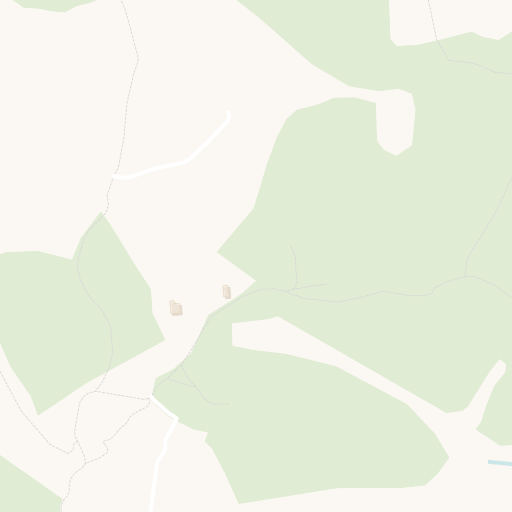
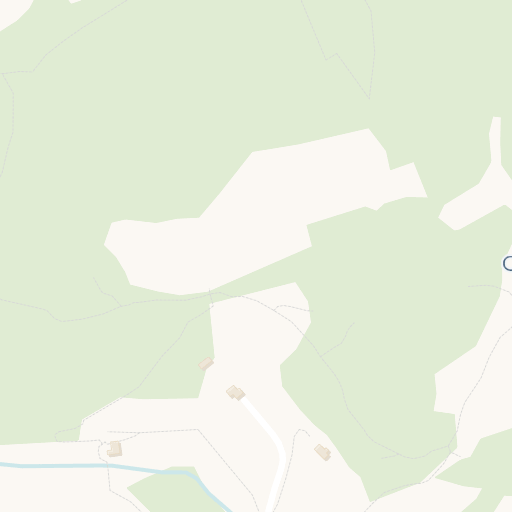
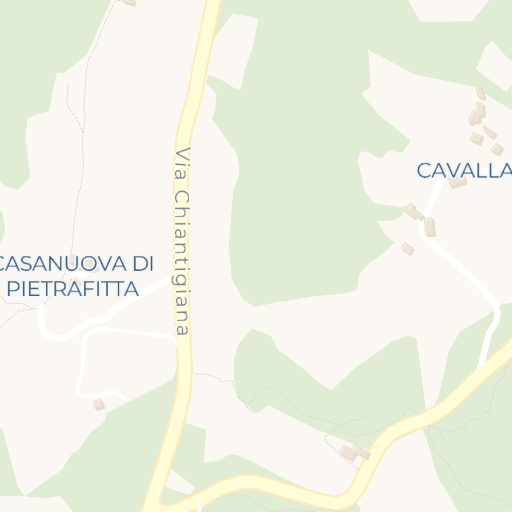
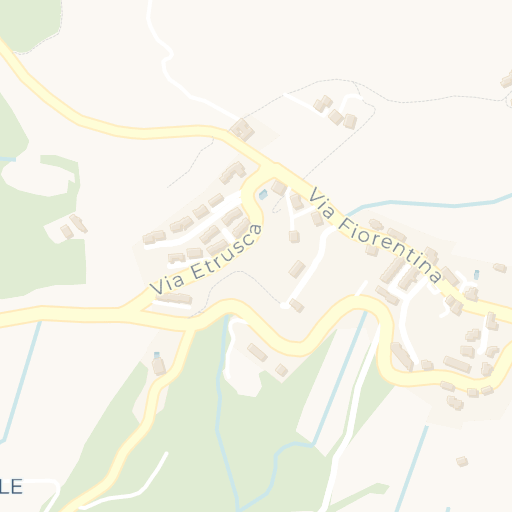
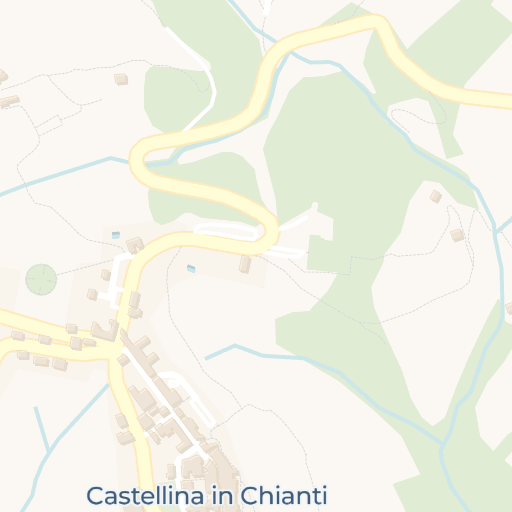
Get directions Open in Apple Maps
© OpenStreetMap contributors · © CARTO · 43.473, 11.291
Plan your visit
Where it is. The tumulus stands, in the Fondazione Musei Senesi's phrase, proprio alle porte di Castellina — right at the town's gates — a short distance out on the Chiantigiana, and Visit Tuscany places it just outside the town.
What is published about access: nothing. No operator states an opening time, an admission price or an access condition for the tumulo di Montecalvario. The Museo Archeologico del Chianti, which holds everything found here, publishes hours, prices and booking rules for itself and for nothing else in the comune. This page therefore makes no claim that the site is open, closed, free or ticketed.
Who to ask. The museum, at Piazza del Comune 17/18, 53011 Castellina in Chianti (SI), telephone 0577 742090, email info@museoarcheologicochianti.it. It is the body that interprets this monument and the sensible place to confirm anything before driving out.
Getting to Castellina. The museum's own directions: from Florence, the Firenze–Siena link road towards Siena/Roma, exit at San Donato and continue for Castellina in Chianti; from Siena, the SR 222.
See the finds first. Room IV of the museum is given over entirely to this tumulus, and the reconstructed chariot is there.
Verified against Fondazione Musei Senesi, October 2026.
When to visit
Pair it with the museum, and let the museum set the day. The finds are open daily 10:00–18:00 from April to October; from November the museum keeps only 1 November and weekends at 10:00–17:00, a handful of December dates, and otherwise opens by booking. Coming out to the mound on a day the museum is shut halves the visit.
Light matters more here than season. The dromos corridors and the chambers are unlit. Bright, dry weather is the difference between seeing the construction and seeing a dark opening.
Avoid the wettest months for the ground itself. These are sunken, earth-cut approaches with no surfacing.
Summer heat is a real constraint on the walk out. July and August average above 30 °C at the nearest long-run station to Castellina in Chianti; the site has no shade of its own worth the name.