

Montepulciano Cathedral
Last updated on October 14, 2026Why visit Montepulciano Cathedral
Two reasons, and the first is the one people photograph without understanding.
The cathedral's façade is unfinished — bare brick where the stone facing was meant to go — and so is the apex of its bell tower. It stands on Piazza Grande, the grandest square in southern Tuscany, with the Michelozzo town hall opposite, and it was never clad. Finished in 1680 to a design by the Orvietan Ippolito Scalza, it is the most honest building in Montepulciano.
The second reason is inside and nobody warns you about it: Taddeo di Bartolo's Trittico dell'Assunta of 1401, dominating the high altar. It reads bottom to top as a sequence in time — the apostles crowding round the Virgin's empty tomb, then her Assumption surrounded by angels, then her Coronation — with twelve Doctors of the Church on the dividing pillars and nine scenes of the life of Christ along the predella.
The bell tower is older than the cathedral: it is all that survives of the pieve that stood here first.
The friction is the climb to the square, and the fact that no hours are published.
Quick facts
- Type: Church, Sacred Place, Historic Place
- Local name: Duomo di Montepulciano (vedi la pagina italiana)
- Built: Completed 1680; sources date the start to 1586 or 1594. Consecrated 19 June 1712
- Designed by: Ippolito Scalza of Orvieto
- Architectural style: Late Renaissance, with a Florentine interior framework
Visit responsibly
Treat it as a cathedral in use. No hours are published because this is the working seat of a parish in the diocese of Montepulciano-Chiusi-Pienza, not a monument with a timetable. If a service begins while you are inside, stop moving around the building or step out.
No flash on the Triptych. Taddeo di Bartolo's Trittico dell'Assunta of 1401 is unglazed early-15th-century paint standing over a working high altar, with no barrier and nobody watching. It is also the single thing most visitors photograph. The interior is plain and pale, which means there is more usable daylight here than in most Tuscan churches — you do not need the flash.
Keep clear of the altar and the pulpit. The pulpit against the right-hand pillar is furniture in liturgical use, not a viewing platform, and the Triptych is directly above an altar in service.
Leave a donation. There is no ticket and no visitor income for a cathedral that took around a century to build and still has no stone façade.
Come at the edges of the day. Shared with the square outside: arriving before 09:00 or after 18:00 spares you the worst of the climb and spares Piazza Grande the worst of the crowding.
Do not photograph from the doorway during a service, and keep shoulders covered — ordinary cathedral courtesy that is easy to forget when the building's fame rests on its exterior.
Where it is
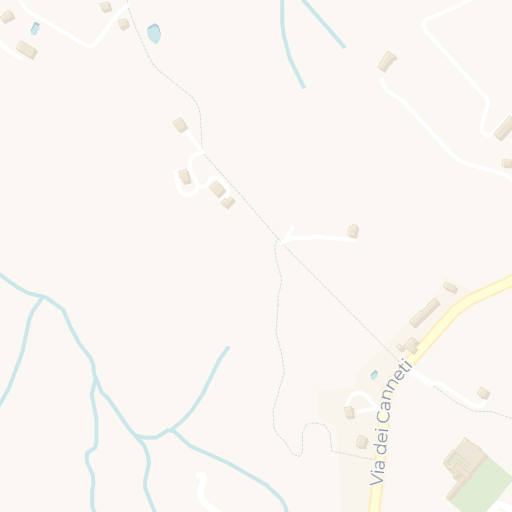
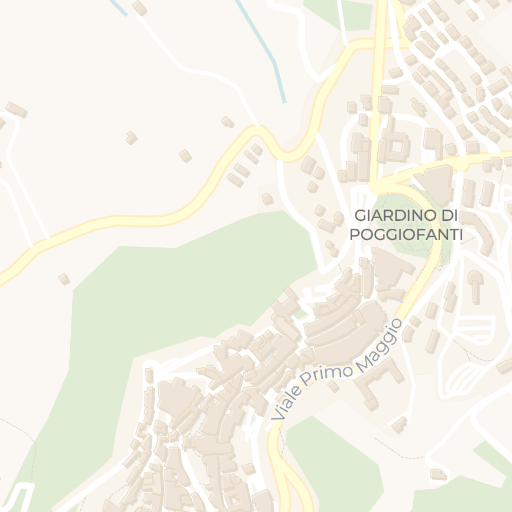
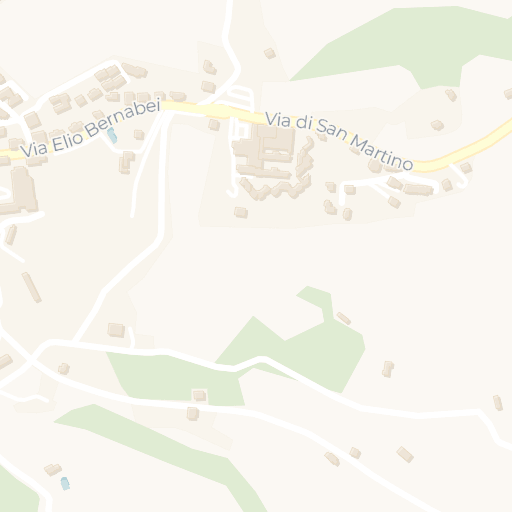
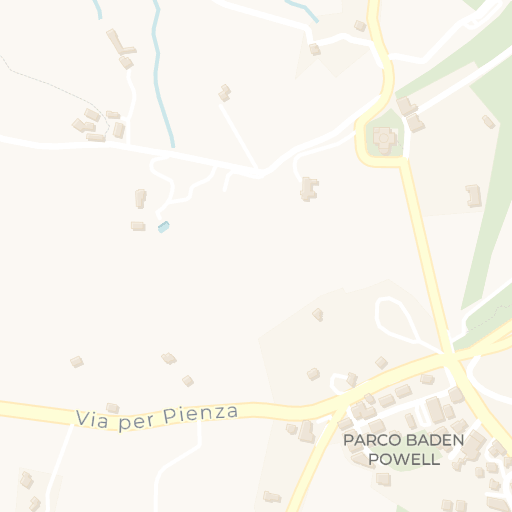
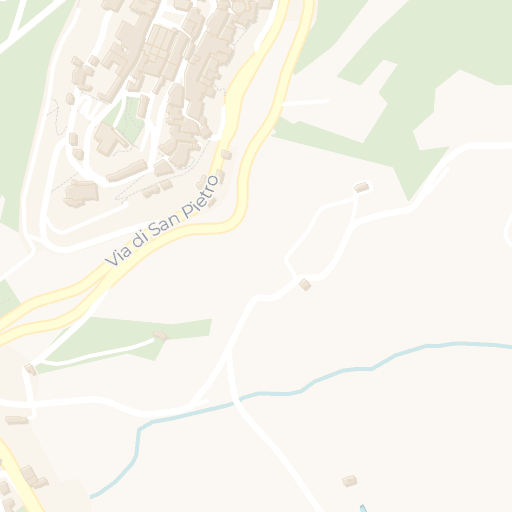

Get directions Open in Apple Maps
© OpenStreetMap contributors · © CARTO · 43.09234, 11.78078
Plan your visit
No opening hours and no admission charge for Montepulciano Cathedral are published anywhere we can verify, and this page asserts neither. It is a working cathedral, not a ticketed museum, so entry is ordinarily free and the hours follow its clergy's needs.
In practice:
- Go in the morning. The most reliable time to find an Italian cathedral open, and it pairs with the advice for the square outside, which is best early.
- Have a second plan for the same hour. Piazza Grande immediately outside costs nothing and never closes, and the unfinished façade — the building's most famous feature — is seen from the square without going in at all.
- Ask the municipality if timing matters. The town hall is on this square, at Piazza Grande 1, switchboard 0578 7121.
What to look for, in order
From the square: the unfinished salient façade, and beside it the bell tower whose apex was also never completed. Then walk to the flanks, which were finished in brick and travertine ashlar with Tuscan pilasters — the comparison is the point.
Inside: straight to the high altar for Taddeo di Bartolo's Trittico dell'Assunta of 1401, and read it from the bottom up. Then the pulpit on its small Ionic columns against a right-hand pillar, and the dome on its pendentives at the crossing.
Getting here
The cathedral is on Piazza Grande, the highest point of the town, which means a sustained stone climb from the gate with no level alternative — the hardest walking of the five Tuscan hill towns in this group. The church itself is level with the square once you arrive, with no climb and nothing to book. Local shuttle buses work the main street if the ascent is a problem.
Verified against Comune di Montepulciano, October 2026.
When to visit
A morning, in late spring or autumn. Morning because no hours are published and an Italian cathedral is likeliest to be open then; late spring or autumn because getting to this square is the hardest climb in the town and heat makes it worse.
Late May to June and September to October are the best windows. The interior depends on daylight through its windows — it is a plain, grey-and-white space with little artificial drama — and the Triptych over the high altar wants real light.
July and August: come early. Not for the cathedral's sake but for the climb, which in an August midday is genuinely punishing. By 09:00 you have the square and the church more or less to yourself.
The last Sunday of August is the Bravio delle Botti and Piazza Grande is the finish line. The town is completely full; plan around it either way.
November to March is cold and windy at 605 metres and very quiet. Low winter sun across the unfinished brick façade is the best that front ever looks — raking light shows the texture that flat summer light erases.