

Pieve di Corsignano
Last updated on October 14, 2026Why visit Pieve di Corsignano
Because Pienza starts here. Before Pius II rebuilt his birthplace as an ideal Renaissance city and renamed it after himself, the village was called Corsignano, and this was its parish church. In its simple baptismal font the future popes Pius II and Pius III were both baptised — two popes from one font, in a village church, which is not a claim any other font in Italy can make.
It is also a better Romanesque building than its fame suggests. Mostly 12th century, with a cylindrical bell tower of the 11th century showing Ravenna influence — a round campanile is genuinely odd in Tuscany — a main portal carved with a zig-zag arch inside a vegetal one, a mullioned window carried on a female figure, and a side portal whose architrave shows the Journey of the Magi and the Nativity.
The friction is plain: it is outside the town, down the hill, and nobody publishes its hours. Go on foot in the morning, accept you may find it shut, and treat the walk and the setting as the point.
The compensation is that it is the one place in Pienza that is never crowded.
Quick facts
- Type: Church, Sacred Place, Historic Place
- Local name: Pieve di Corsignano (vedi la pagina italiana)
- Built: Mostly 12th century; the cylindrical bell tower 11th century
- Architectural style: Romanesque
Visit responsibly
Accept a closed door quietly. This is somebody's parish church in open country, with no staff, no ticket desk and no obligation to be open for visitors. If it is locked, it is not a failure of service — and knocking on the houses nearby to find the key is not a reasonable response.
Do not touch the carved portals. The zig-zag and vegetal arches, the female figure under the mullioned window's capital and the Journey of the Magi architrave are unprotected Romanesque relief at hand height, in the open air, with nobody watching. They are nine hundred years old and are worn by hands faster than by weather.
Treat the font as what it is. It is the font in which two popes were baptised and it is still a functioning piece of parish equipment, not a monument with a rope round it. Look, do not lean, and do not put anything in it.
Keep out of the crypt unless it is clearly open. The small apsed crypt under the right nave is a confined, unlit space in a building with no attendant.
Walk down rather than drive. The pieve sits in a small rural locality with narrow approaches and no real parking provision. Walking from Pienza takes a few minutes downhill, keeps vehicles out of a hamlet that does not want them, and is the better experience anyway.
Leave an offering. There is no ticket here and no income from visitors, and a 12th-century church with an 11th-century tower is expensive to keep standing.
Where it is
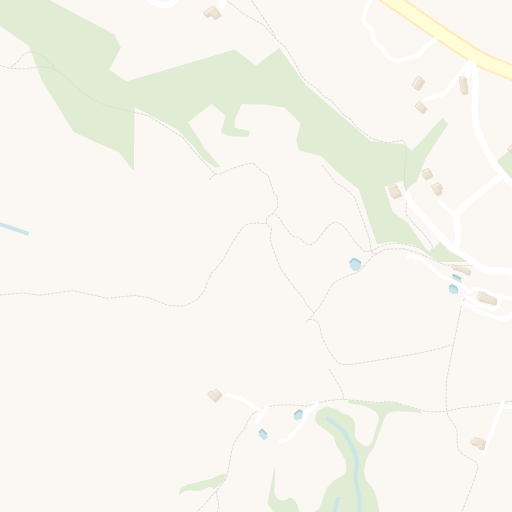
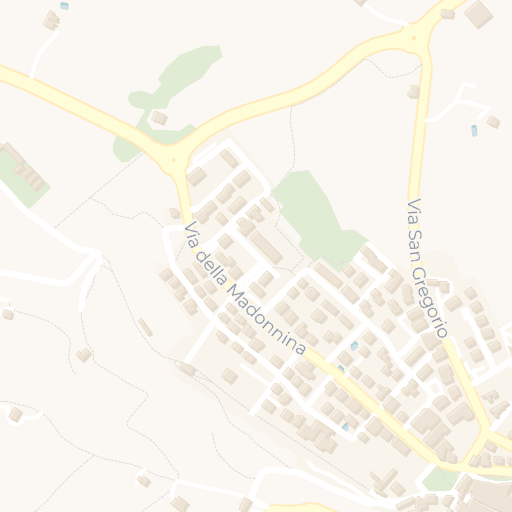
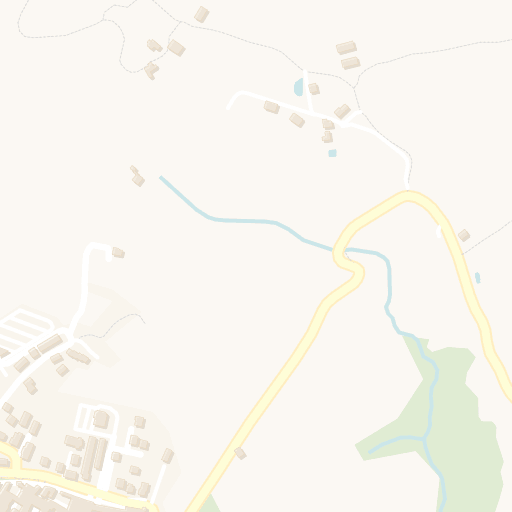
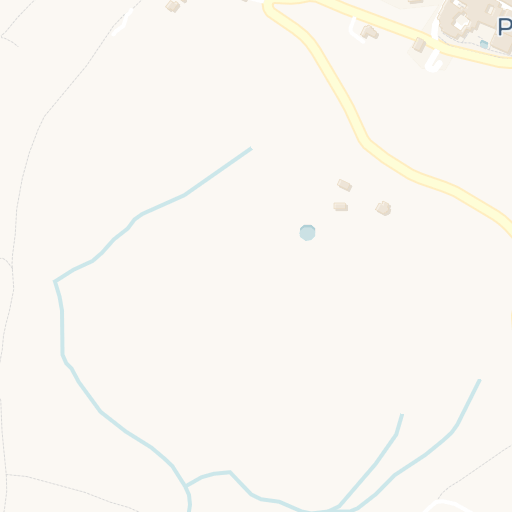
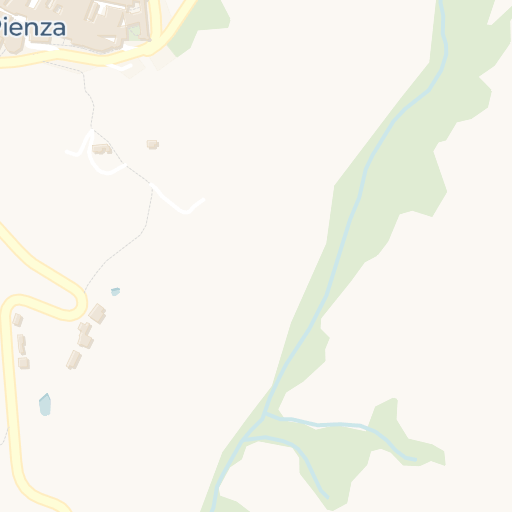
Get directions Open in Apple Maps
© OpenStreetMap contributors · © CARTO · 43.07706, 11.67153
Plan your visit
No opening hours and no admission charge for this church are published anywhere we can verify, and this page therefore asserts neither. It is a rural pieve, not a ticketed site, and it has no operator with a web page.
What that means in practice:
- Assume it may be locked. A country parish church outside the town, with no staff and no published timetable, is open at the discretion of whoever holds the key. Plan the visit so that a closed door costs you a pleasant walk rather than a ruined day.
- Go in the morning. The most reliable time for an Italian church of this kind, and the best light on the carved portals.
- The exterior is most of the visit, and it is always available. The cylindrical 11th-century bell tower, the zig-zag and vegetal main portal, the mullioned window on its female figure and the side portal with the Journey of the Magi and the Nativity are all outside. You can see the best carving on the building without going in at all.
- Ask the municipality if you need certainty. The Comune di Pienza switchboard is 0578 748502, at Corso Rossellino 61.
Getting there
The pieve is outside Pienza, below the town, in its own locality. It is reachable on foot from the centre on a downhill walk — which means an uphill walk back, the only real exertion in a town otherwise chosen for being level. Wear something other than smooth soles if it has rained.
What you will not see
The apses are gone from the east end, so the interior stops rather than concluding. And the Pinchi organ of 1979 was housed here from 2018 to 2020; whether it is still in the building is not something any reachable source states, so do not travel for it.
Verified against Comune di Pienza, October 2026.
When to visit
A spring or autumn morning, on foot. Morning because a rural church with no published hours is likeliest to be open and the carved portals are best lit then; spring or autumn because the walk down from Pienza is the pleasant part of the trip and neither heat nor mud improves it.
April to early June and late September to October are the windows. The surrounding country is at its best, and this is the one sight in Pienza where the setting matters as much as the building.
July and August: go early. The walk back up to the town in the middle of an August afternoon is the hardest thing anyone does in Pienza, and there is no shade to speak of on the way.
November to March is when the church is least likely to be open and the path least likely to be dry — but also when you are guaranteed to have the place entirely to yourself. If the exterior carving is what you have come for, a cold clear winter morning is genuinely the best time: low sun across a zig-zag arch shows it better than high summer light does.