

Palazzo del Podestà, Radda in Chianti
Last updated on October 16, 2026Why visit Palazzo del Podestà, Radda in Chianti
Because fifty-one coats of arms are bolted to the front of this building, and each one is a magistrate who governed the Chianti.
The Capitano della Lega del Chianti sat here for four centuries. The League was the alliance Florence created in 1384 to administer and defend the district, and Radda was its capital. The arms on the facade run 3 from the fifteenth century, 25 from the sixteenth, 16 from the seventeenth and 7 from the eighteenth — a governed territory's index, in stone.
The friction is that there is nothing published to visit. No hours, no ticket, no tour. The building is the town hall and has been since 1865.
The smart way is to read it from the square and know the dates. The portico is the original Quattrocento building; the first-floor windows are the repair after the Aragonese destroyed it in 1478; the second floor is eighteenth-century. Under the loggia, find Francesco Ferrucci's shield — podestà in 1527 — and the Florentine fresco beside it.
Quick facts
- Type: Building, Historic Place, Monument
- Local name: Palazzo del Podestà, Radda in Chianti (vedi la pagina italiana)
- Built: Built in the Quattrocento, almost destroyed in 1478 and rebuilt; second floor and prisons added in the 18th century
- Architectural style: Portico in the manner of early-15th-century minor Florentine architecture, with post-1478 windows and an 18th-century upper floor
Visit responsibly
This is a working town hall. The arms, the fresco and the portico are public and outdoors; the offices behind them are not an attraction. The comune lists ten of them, each with a direct line, and the people in them are doing municipal business.
Respect the limited-traffic zone. The Polizia Locale administers the ZTL and parking from this same building. Driving into the centre to photograph the facade is the one move guaranteed to annoy everyone.
The square is small and residential. Radda has 1,431 residents and a single main street; a coach party on this piazza is most of the town centre.
Leave the heraldry alone. Fifty-one shields that have survived four centuries of weather do not need to be touched, chalked or rubbed.
Where it is
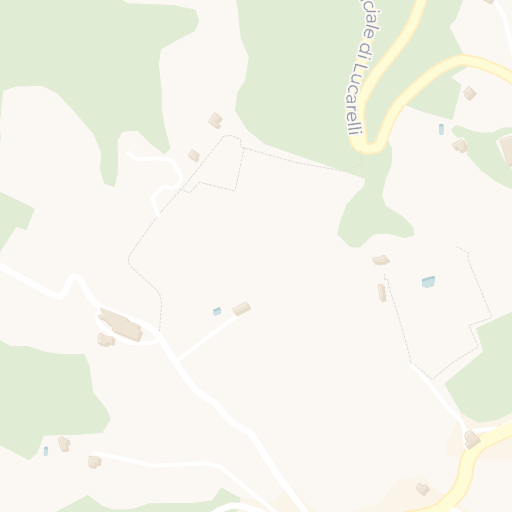
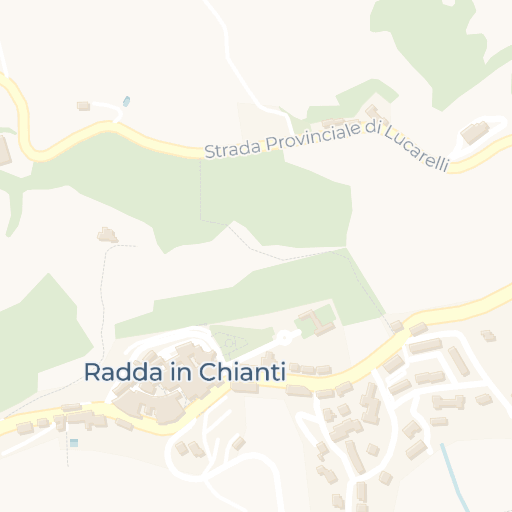
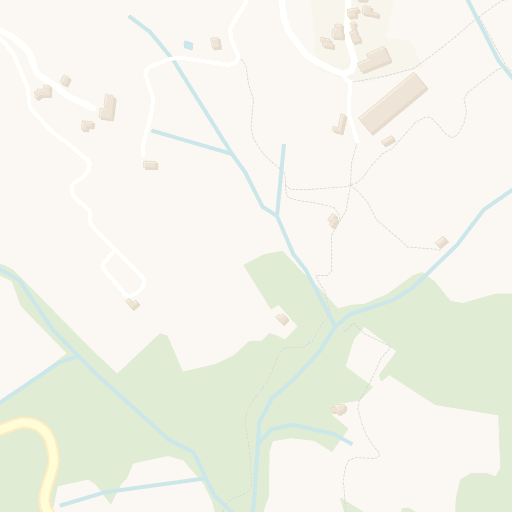
Get directions Open in Apple Maps
© OpenStreetMap contributors · © CARTO · 43.4854, 11.3744
Plan your visit
What there is to see is outside, and it is free. The 51 coats of arms, the Ferrucci shield and the Cinquecento fresco under the loggia are all on the exterior, readable from the square.
No visiting hours are published. No operator states an opening time or an admission charge for this building. It is the town hall, and the comune publishes office telephone numbers rather than visitor hours.
Where it is. The Comune di Radda in Chianti is at Piazza Ferrucci 1, 53017 Radda in Chianti (SI), switchboard 0577 739633, certified mail comune.radda@postacert.toscana.it.
Getting to the square. The historic centre is a limited-traffic zone administered by the comune's Polizia Locale — reachable Monday to Saturday 08:30–13:30 on 0577 739622 or 0577 739623 — so park outside the centre and walk in. The square is on the town's single main street.
If you need the building rather than the facade, treat it as a working municipal office: the Segreteria is on 0577 739633 and the registry on 0577 739629.
Verified against Comune di Radda in Chianti, October 2026.
When to visit
Any daylight hour, in any season. Everything on this page is an exterior, so there is nothing to be shut out of.
Light matters for the arms. Fifty-one weathered stone shields on one wall read best in raking light rather than flat midday glare — early or late is better, and the loggia, being in shadow, is the opposite: it wants a bright day.
Summer evenings put the square to work. From June to August the Chianti Festival brings theatre, music and dance to Radda along with Castellina, Gaiole and Castelnuovo Berardenga, and the Festa del Perdono falls in late August.
Come on foot whatever the season. The ZTL means the walk in is part of the visit; in January that is a cold uphill walk, and in August a hot one.