

Collegiata di Santa Maria Assunta
Last updated on October 14, 2026Why visit Collegiata di Santa Maria Assunta
From outside this is the plainest major building in San Gimignano — a bare stone front at the top of a wide staircase, with no marble, no sculpture and almost nothing to look at. Then you go in, and the walls and vaults are covered in fresco almost without a gap.
The painting is the reason to come. Cycles of the 14th and 15th centuries, principally by Lippo Memmi and Bartolo di Fredi, run across both side walls, and the Chapel of Santa Fina was painted by Ghirlandaio. For a parish church in a town of fewer than eight thousand people, the concentration is hard to believe.
The friction is the timetable rather than the price. Entry is €7, but Saturday closes at 16:30, Sunday does not open until 12:30, and the operator says outright that hours can change at short notice for services. Check before building a day around it, and go on a weekday morning if you can.
Quick facts
- Type: Church, Sacred Place, Historic Place
- Local name: Collegiata di Santa Maria Assunta (vedi la pagina italiana)
- Built: Consecrated 21 November 1148; restructured 1239; enlarged from 1460
- Designed by: Giuliano da Maiano (15th-century enlargement)
- Architectural style: Romanesque, with 15th-century Renaissance work
Visit responsibly
Treat it as a parish church first. This is not a deconsecrated monument: it holds services, the hours bend around them, and someone may well be praying in a side chapel while you are looking at Ghirlandaio. Keep your voice down, cover your shoulders, and if a service begins while you are inside, stop moving around the building.
No flash, and check before photographing at all. The frescoes here were damaged in the Second World War and have been through repeated restoration campaigns; they are pigment on plaster, unglazed, and light is one of the things that degrades them. Where photography is restricted, the restriction is about the paintings rather than about copyright.
Buy the Collegiata ticket rather than skipping it because you already paid elsewhere. The complex is ticketed separately from the civic museums, and visitors who have already bought the €10 museums ticket often decide €7 more is too much and look at the facade instead. The facade is the least interesting part of this building. The money goes to a working parish and its Museum of Sacred Art.
Do not lean on the walls or touch the plaster. In a church where the painted surface comes down to within reach, a hand on the wall is a hand on a 14th-century fresco.
Go on a weekday if you can. Saturday afternoons and the Sunday opening are compressed into short windows, which concentrates everybody into the same couple of hours. Shifting to a weekday morning spreads the load and gives you a far better visit.
Where it is
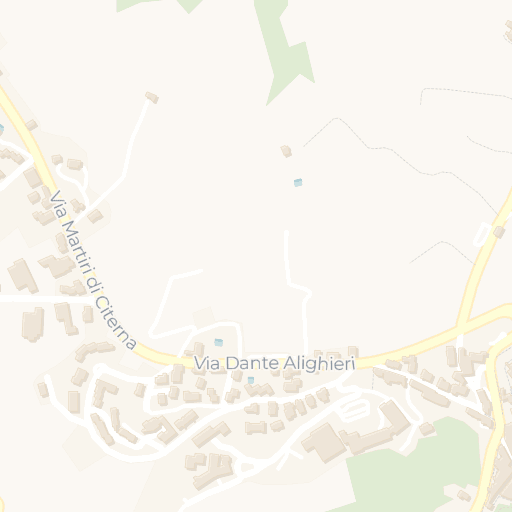
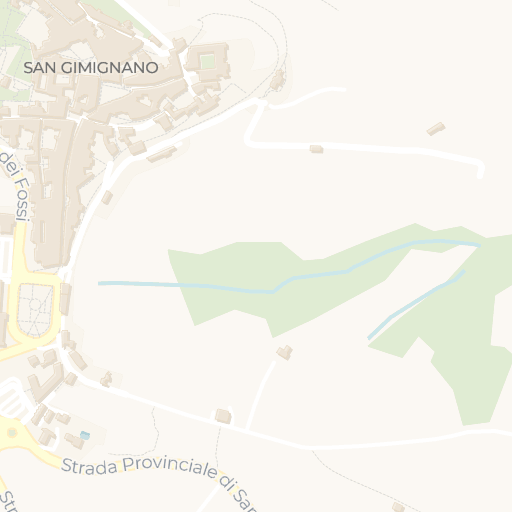
Get directions Open in Apple Maps
© OpenStreetMap contributors · © CARTO · 43.46779, 11.04277
Plan your visit
The Complesso della Collegiata — the church together with the Museum of Sacred Art — is ticketed separately from the civic museums and the Torre Grossa. A ticket for one does not admit you to the other.
Prices
- €7,00 full.
- €6,00 for groups of at least twenty paying visitors.
- €4,00 reduced — ages 6 to 18, and students.
- Free — children under 6, disabled visitors and their companions, residents of the Comune di San Gimignano, clergy and authorised tour guides.
- A €1,00 booking fee applies, and the ticket is valid one day.
Opening hours, 1 April to 31 October
- Monday to Friday — 10:00 to 19:30, last entry 19:00.
- Saturday — 10:00 to 16:30, last entry 16:00.
- Sunday and holidays — 12:30 to 19:30, last entry 19:00.
The caveat the operator makes itself
The concessionaire states plainly that hours may change at short notice for liturgical activities. This is a working parish church, not a museum with a church in it, and services take precedence. If your visit depends on a particular hour, check that day rather than relying on the published table.
The weekend is the trap. Saturday shuts three hours earlier than a weekday and Sunday does not open until half past twelve, so a weekend afternoon is the narrowest window of the week. A weekday morning is the most reliable time to get in and the best light on the frescoes.
Verified against Musei di San Gimignano (Opera Laboratori), October 2026.
When to visit
A weekday morning, in spring or autumn. That is the recommendation, and the reason is the timetable rather than the crowds: Monday to Friday the church is open 10:00 to 19:30, where Saturday closes at 16:30 and Sunday does not open until 12:30.
April to early June and late September to October are the best months. The published long hours run from 1 April to 31 October, the town is busy but not solid, and the frescoes are better seen when the building is not full.
July and August are the peak: go at opening, when the church is empty and cool, rather than in the middle of the day. In an interior this dark, a bright day outside is an advantage.
Through the winter the town is quiet and cheap, but the operator publishes its detailed hours for the April-to-October season, so a winter visit needs confirming in advance — as does any visit timed to the hour, because services take precedence and can change the hours without notice.