

Roman Theatre of Volterra
Last updated on October 14, 2026Why visit Roman Theatre of Volterra
Because you can read the whole thing for nothing, from above — and because the seats have names cut into them.
The theatre lies in the little valley of Vallebuona, on the northern slope, immediately outside the Etruscan wall. Its cavea rests against the hillside, and the medieval city wall runs roughly along the line of the summa cavea — so from the walls above you look straight down into the complete plan. Nobody standing inside the site can see it that way.
The seating is local Pignano tuff, and the names of the leading families of Roman Volterra are still incised in it: the Caecinae, the Persii, the Laelii. Reserved seats, with the owners' names on them, two thousand years on.
It held about 3,500 people in a cavea 60 metres across with 24 tiers, behind a stage front 35.98 metres long — 122 Roman feet — of two colonnaded storeys over 16 metres high, under a velarium whose supports left traces.
And for centuries nobody was sure what it was. The learned tradition argued theatre or amphitheatre, and Volterra's real amphitheatre was only identified in 2015.
Quick facts
- Type: Ruins, Roman, Theatre, Historic Place
- Local name: Teatro romano di Volterra (vedi la pagina italiana)
- Built: Late 1st century BC or late Augustan; scholarly estimates run from 35-25 BC to 1 BC
- Built for: Financed by the Caecina family, including two consulars
- Size: Cavea 60 m diameter, 24 tiers; scaenae frons 35.98 m
- Capacity: 3500
Visit responsibly
Stay on the marked paths and off the seating. The tiers are tufo di Pignano carrying incised Roman family names — the most fragile and most interesting surface on the site, at exactly the height people sit down on. Walking on them is what erases them.
Do not climb on the stage building or the vaults. This is an excavated site rather than a consolidated ruin: the radial stairways are only partly preserved and much of the fabric has been exposed for seventy years rather than two thousand.
Use the free view from the walls, deliberately. It is better than the view from inside, it costs nothing, and it keeps footfall out of the excavation. Going up to look down is both the better visit and the lighter one.
Buy the Volterra Card rather than a single site. The theatre is one of six municipal sites on it, and the dedicatory epigraph that names the Caecina as its patrons is in the Guarnacci, which the same Card covers. Spending once across six sites funds the smaller ones.
Read the plaque at the entrance. It records that the excavation of the 1950s was worked by patients of Volterra's psychiatric hospital. It is the only acknowledgement they have, and taking thirty seconds over it is the least a visitor can do.
Keep children off the tiers and away from the edges. The cavea is cut into a steep slope with drops at its lateral ends onto virgin rock.
Where it is
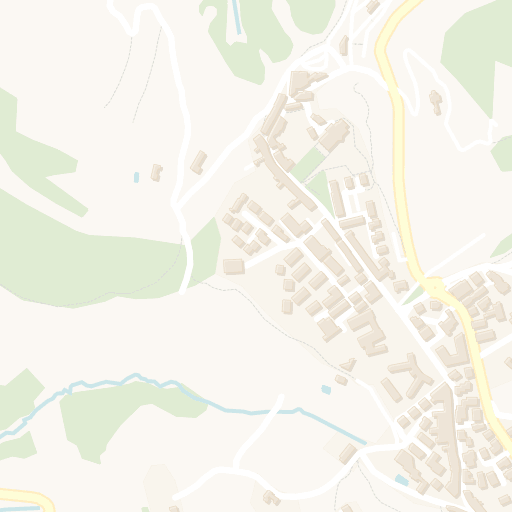
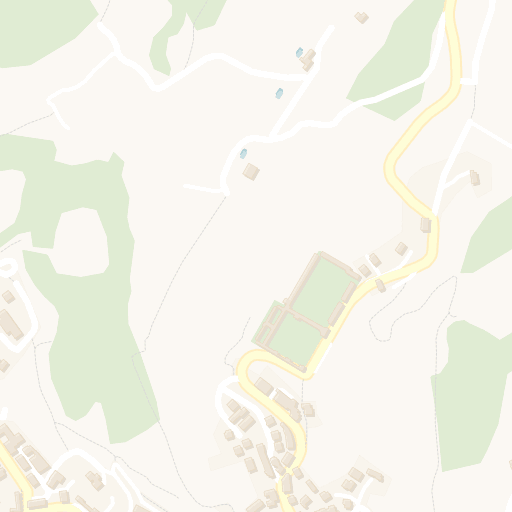
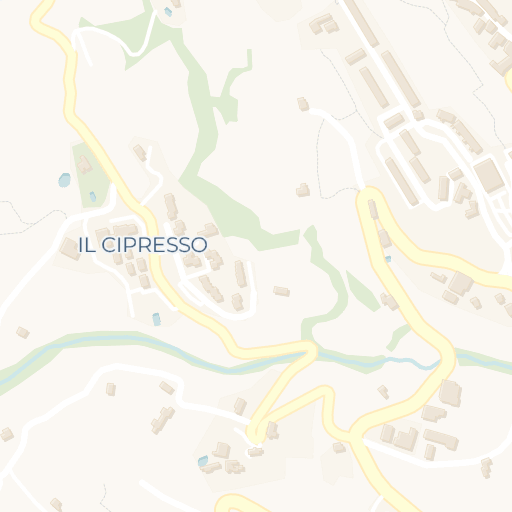
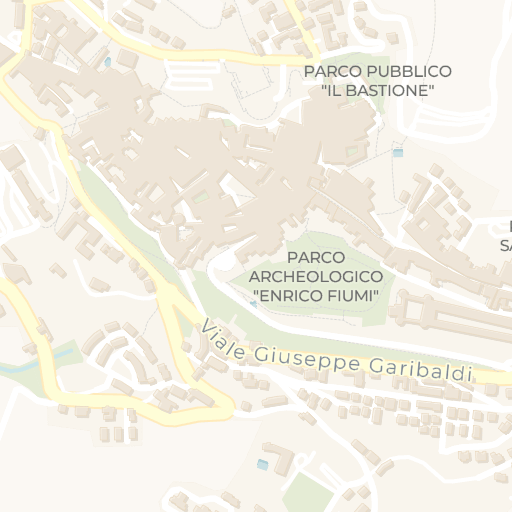
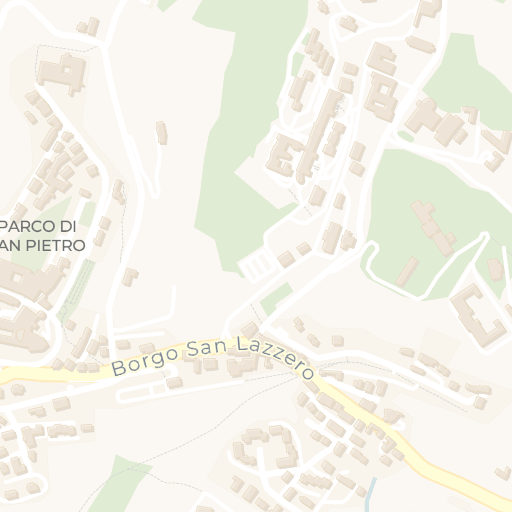
Get directions Open in Apple Maps
© OpenStreetMap contributors · © CARTO · 43.4036, 10.86
Plan your visit
The best view of this site is free, and it is better than the view from inside it. That is the single most useful thing on this page.
Because the summa cavea follows roughly the line of the medieval city wall, you can stand on the walls above and look down into the entire plan — the curve of the cavea, the orchestra, the stage building — in one view. Walk there first and decide afterwards whether to use a ticket on going in.
If you do go in
The archaeological area of the Roman theatre of Vallebuona is one of the six municipal sites covered by the 72-hour Volterra Card: €23,00 full, €18,00 reduced (6–25, university students, over-65s, Touring Club Italiano or FAI members), €32,00 family (6–18 with one or two adults, max five people), €12,00 for groups of at least ten, €6,00 for school parties without a guided visit. Entry is free for under-6s, residents of the Comune di Volterra, school-district students, disabled visitors and their companions, accompanying teachers and group leaders, authorised guides, journalists and ICOM members.
No separate opening hours and no single-ticket price for the theatre are published by the municipality — only the Card — so this page asserts neither. If your plan depends on getting inside at a particular hour, call the Comune di Volterra on 0588 86050, at Piazza dei Priori 1.
While you are here
The dedicatory epigraph that names the Caecina family as the theatre's financiers is not on site — it is in the Museo Etrusco Guarnacci, which the same Card covers. Seeing the theatre and then the inscription that paid for it is the best hour the Card buys.
Look for the incised family names in the seating, and for the plaque at the entrance recording that the excavation was worked by patients of the town's psychiatric hospital.
Verified against Comune di Volterra, October 2026.
When to visit
Morning or late afternoon, in spring or autumn. The site is open ground on a north-facing slope with no shade at all, and the view from the walls above — the reason to come — depends entirely on light.
Late April to May and late September to October are the best windows: clear air, low enough sun to throw the curve of the cavea into relief, and comfortable walking out to the wall.
July and August: early morning. By the middle of a summer day the site is unshaded, bright and flat-lit, which is the worst combination for reading a ruin.
November to March is genuinely good here, and this is worth knowing: a low winter sun rakes across the tiers and the stage building and shows the structure better than high summer light ever does, and there is nobody else on the wall. Note the north-facing slope, though — it is cold and gets little direct sun in deep winter.
Whatever the season, go to the walls above first. If the light is poor for the overhead view it will be poor inside the site too.