

Castello Scaligero di Soave
Last updated on September 8, 2026Overview
The castle stands on the hill above Soave, at the top of the wall circuit that runs down from it to enclose the town. It is the reason the town has the shape it does.
Its present form is the work of Cansignorio della Scala, who rebuilt it in 1369 along with the walls, on foundations considerably older. Three courtyards rise in sequence to the keep at the summit.
By the nineteenth century it was a ruin. It survives because a Veronese senator, Giulio Camuzzoni, bought it and restored it -- which means some of what you see is Victorian rather than medieval, though the plan and the walls are original.
Quick facts
- Type: Castle
- Local name: Castello Scaligero di Soave (vedi la pagina italiana)
- Built: 1369 (rebuilt); restored from 1889
- Built by: Cansignorio della Scala
- Architectural style: Medieval
- Three courtyards to the keep: The castle climbs the hill in three successive walled courtyards, each defensible after the one below it fell.
- Saved by a Veronese senator: A roofless ruin by the 1880s, it was bought and restored by Giulio Camuzzoni -- which is why the interiors are nineteenth-century.
Visit responsibly
The castle is a private restoration maintained by its owners rather than a public monument, and admission income is what keeps it standing. Paying it is the point.
The path up crosses a steep hillside with loose stone; staying on it prevents erosion that is visible where people have cut corners.
Parking at the top is very limited, and walking up from the town avoids adding cars to a narrow road that was not built for them.
Combining the visit with a purchase from a Classico producer on the hills below supports the terraced vineyards that give the view its character.
Where it is
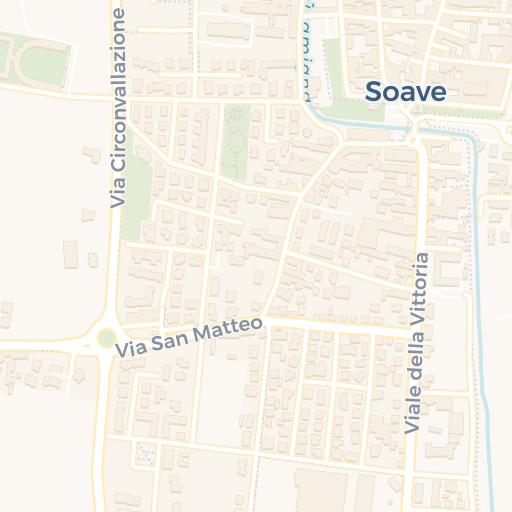
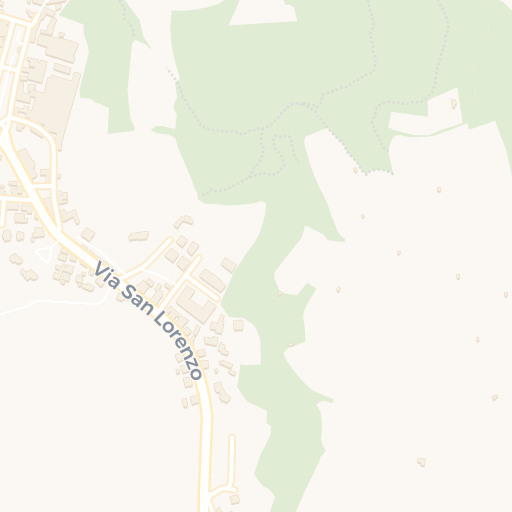
Get directions Open in Apple Maps
© OpenStreetMap contributors · © CARTO · 45.4247, 11.2408
Plan your visit
The castle is reached on foot by a path from the town -- a steep ten to fifteen minutes -- or by a narrow road with limited parking near the entrance.
It is privately owned and charges admission, generally around eight euros. Opening hours are seasonal and shorter in winter; it usually closes one day a week, so check before making a special trip.
Allow around an hour. The route through the courtyards to the keep involves a good deal of climbing on uneven stone, and it is not accessible to wheelchairs or comfortable for anyone with mobility difficulties.
Combining the castle with a walk along the walls and a tasting in the town makes a natural half-day.
When to visit
Late afternoon gives the best light on the vineyards below and the least heat on the climb.
Spring and autumn are ideal -- the climb is unpleasant in July and August, when the hillside has no shade.
Late September, during the harvest, puts the vineyards below at their most active, though the town is busier.
Winter is quiet and often atmospheric, with fog on the plain below the hill, but opening hours are reduced.