

Grotta di Fumane
Last updated on September 8, 2026Overview
The Grotta di Fumane is a rock shelter in the Lessini foothills above Valpolicella, and it is one of the most important Palaeolithic sites in Europe.
Its deposits record the moment the continent changed hands: the upper layers span the last Neanderthal occupation and the arrival of the first modern humans, one above the other in the same shelter.
Among the finds are stones painted in red ochre, fallen from the shelter roof and sealed in the deposit, dated to around forty thousand years ago -- among the earliest figurative art known in Europe.
This is a working excavation rather than a monument, and access is limited and organised.
Quick facts
- Type: Historic Place
- Local name: Grotta di Fumane (vedi la pagina italiana)
- Neanderthals below, modern humans above: The shelter preserves the late Mousterian, the Uluzzian and the Protoaurignacian in sequence -- one of Europe’s clearest records of the changeover.
- Painted stones from a fallen roof: Slabs decorated in red ochre fell from the shelter roof and were sealed in the deposit, giving an unusually secure date of around 40,000 years ago.
Visit responsibly
This is a scientific excavation with irreplaceable stratigraphy. Do not enter outside an organised visit, do not walk on the deposits, and do not pick anything up -- a stone moved out of its layer loses most of its meaning.
Report anything you find in the surrounding slopes rather than collecting it. The whole valley side is archaeologically sensitive.
Book properly and keep to the group. Places on guided visits are limited because the site can only take so many people without damage.
The wider Lessinia is a protected fossil and karst landscape; the same rules about collecting apply across it.
Where it is
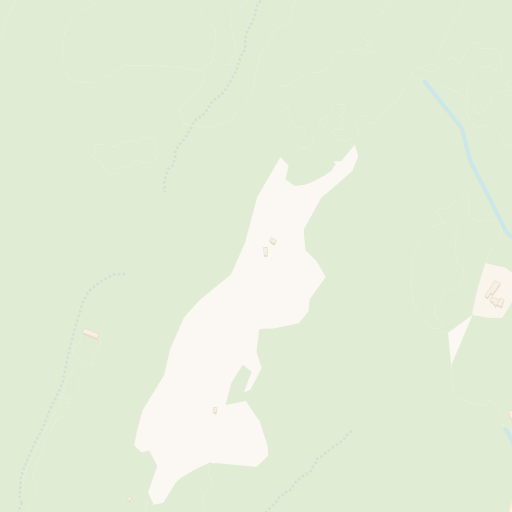
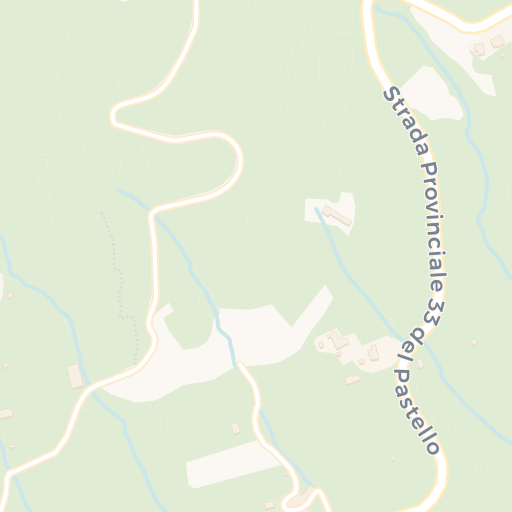
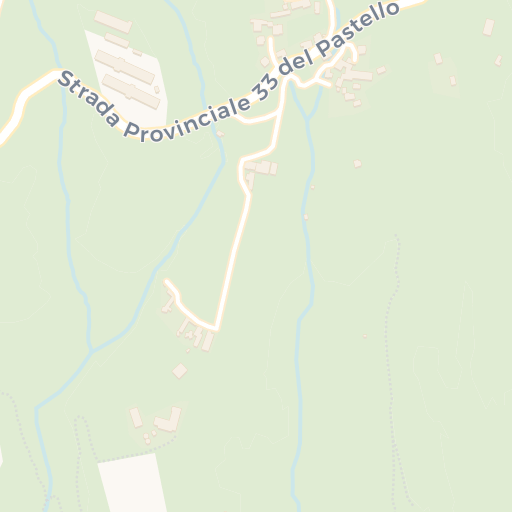
Get directions Open in Apple Maps
© OpenStreetMap contributors · © CARTO · 45.5842, 10.8858
Plan your visit
This is an active archaeological excavation, not an open monument. It cannot be visited freely, and turning up will not get you in.
Guided visits are organised during the excavation season and at other times by arrangement, run by the archaeological team and local organisations. These need to be booked in advance, and dates are limited.
Check with the Valpolicella tourist information or the excavation's own programme before planning a visit around it.
The site is above Fumane, reached by road and then a walk on rough ground.
The approach and the site itself are uneven and steep in places, and it is not suitable for limited mobility.
The painted stones and the principal finds are not kept on site.
When to visit
The excavation season, generally in summer, is when guided visits are most likely to be running and when there is most to see -- an active dig is a great deal more interesting than an empty shelter.
Spring and autumn are the most comfortable for the walk up.
Winter is cold and wet on this slope and the site is not active.
Because access depends entirely on the programme, the honest answer is: whenever a visit is being offered.