

Ponte di Veja
Last updated on September 8, 2026Overview
The Ponte di Veja is a natural rock arch in the Lessini mountains above Valpolicella, and one of the largest in Europe.
It is the surviving roof of a collapsed cave: the limestone here is karstic, water hollowed out a large chamber, most of the ceiling fell in, and what did not fell became a bridge spanning the valley.
Caves in and around the arch were occupied in the Palaeolithic, and the site has been excavated repeatedly. It is a short walk from the road, and it costs nothing.
Quick facts
- Type: Nature
- Local name: Ponte di Veja (vedi la pagina italiana)
- A cave that lost its roof: The arch is the surviving section of a collapsed karst cavern -- not something built up, but what was left when the rest fell in.
- Occupied in the Palaeolithic: Shelters in and around the arch have produced stone tools and faunal material, part of the same prehistoric landscape as the Grotta di Fumane below.
Visit responsibly
This is a protected site in a regional park. Keep to the marked path -- the slopes either side erode quickly and the damage from shortcuts is visible.
Do not climb on the arch or scramble into the caves. They are unstable, they are archaeological sites, and rockfall is a real hazard beneath the span.
Do not collect fossils or stone. The Lessinia's fossil beds are protected and internationally significant.
Take litter out with you; the site has minimal facilities and a heavy weekend load in summer.
Parking is limited and the approach roads are narrow. Arriving early avoids both the crowding and the awkward passing on the way up.
Where it is
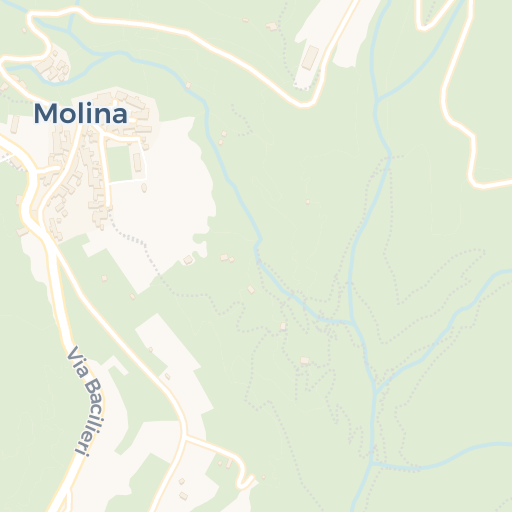
Get directions Open in Apple Maps
© OpenStreetMap contributors · © CARTO · 45.6119, 10.9089
Plan your visit
The site is free and open at all times, in the Lessinia regional park.
It is reached by road from Sant'Anna d'Alfaedo or up from the Valpolicella valleys -- around forty-five minutes by car from Verona, on narrow mountain roads. There is a car park nearby and a bar in season.
From the parking, a marked path takes around ten to fifteen minutes down to the arch. The return is uphill.
Allow an hour to an hour and a half including the walk.
The path is rough, stony and steep in places and is not accessible to wheelchairs or suitable for pushchairs. Proper footwear matters; the limestone is slippery when wet.
When to visit
Spring and autumn are the best -- the woodland is at its best and the temperature suits the walk.
Summer is popular and the site can be busy at weekends, though the woodland keeps it cool and it is far more comfortable here than on the plain.
Morning light comes through the arch better than afternoon light.
Winter brings snow and ice at this altitude, and the path becomes genuinely hazardous; the approach roads may need winter tyres.
Avoid visiting immediately after heavy rain, when the rock is at its most slippery.