

Verona Cathedral
Last updated on September 23, 2026Why visit Verona Cathedral
This is not one church but a walled precinct of several, and the ticket covers all of it — cathedral, baptistery, the church of Sant’Elena and the cloister with excavated early churches under it. The porch is by Nicolò, the same sculptor as San Zeno, and its jambs carry Roland and Oliver, Charlemagne’s paladins, carved on a cathedral door in the twelfth century. Inside is Titian’s Assumption, painted around 1535 for a chapel here.
Visit if you:
- are fascinated by medieval and late-antique history, layered in one place
- like Romanesque sculpture, and chivalric romance turning up where it should not
- want Venetian painting
- prefer archaeology under your feet rather than behind glass
Skip it if you:
- are expecting a single church; this is a walled precinct and takes an hour to do properly
- have already done San Zeno and Sant’Anastasia today and have had enough of churches
Quick facts
- Type: Church
- Local name: Duomo di Verona (vedi la pagina italiana)
- Admission: €4
- Reservation: Not required — tickets on the door
- Typical visit: About 1 hour
- Built: Begun 12th century; upper church rebuilt 14th-15th century
- Designed by: Nicolò (porch); Michele Sanmicheli (choir screen)
- Architectural style: Romanesque and Gothic
- Denomination: Roman Catholic
- Charlemagne’s paladins on a cathedral door: Nicolò carved Roland and Oliver on the porch jambs around 1139, naming them in inscriptions -- among the earliest depictions of the Charlemagne cycle in Italian sculpture.
- A library still working after fifteen centuries: The Biblioteca Capitolare has copied and kept manuscripts on this site since roughly the fifth century, and preserved the palimpsest of the Institutes of Gaius.
- UNESCO World Heritage Site: Yes
Visit responsibly
An active cathedral and a diocesan seat: keep quiet, stay out of services, and do not photograph people at prayer.
No flash, especially near the Titian, which hangs in its original chapel rather than in museum conditions.
The early-Christian pavements under the cloister are original mosaic. Keep to the walkways.
Buy the combined church ticket. It funds maintenance across churches that see far fewer visitors than this one.
The Biblioteca Capitolare is a working research library, not an exhibit. If you visit, do so on its terms.
Where it is
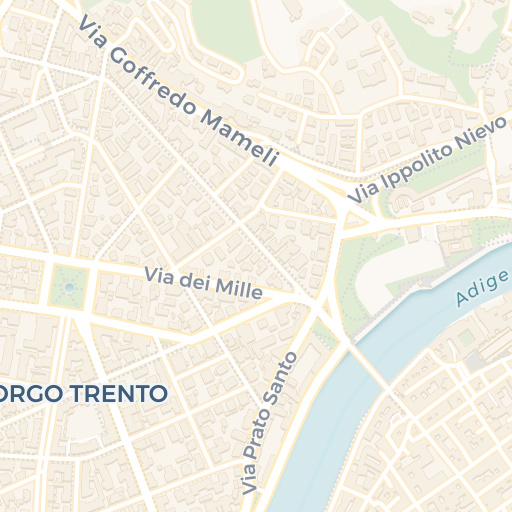
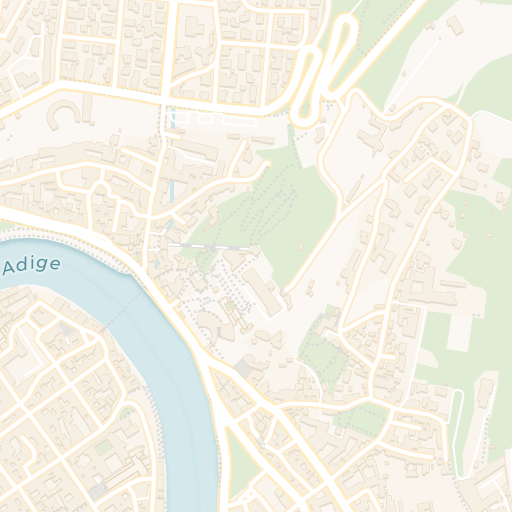
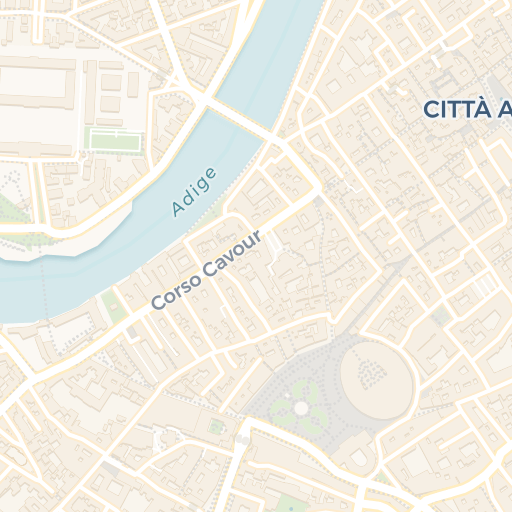
Get directions Open in Apple Maps
© OpenStreetMap contributors · © CARTO · 45.4478, 10.9975
Plan your visit
Admission: €4 · Covers the whole precinct — cathedral, baptistery, Sant’Elena and cloister
The cathedral charges a small admission covering the whole precinct -- church, baptistery, Sant'Elena and the cloister -- and is included in the Verona Card and the combined church ticket.
What is free
The piazza and the west front are free, including the carved Romanesque porch over the main door, which is the best sculpture on the building and is outside the ticket line.
The €4 ticket (€8 for the four-church pass) covers the whole precinct — cathedral, baptistery, Sant'Elena and the cloister — and is waived for residents of Verona, its province and diocese, children under 11, members of religious orders, registered guides, journalists, military personnel, and a visitor with a disability plus one companion.
The Biblioteca Capitolare sits outside this ticket entirely: it is a separate institution with its own admission and hours.
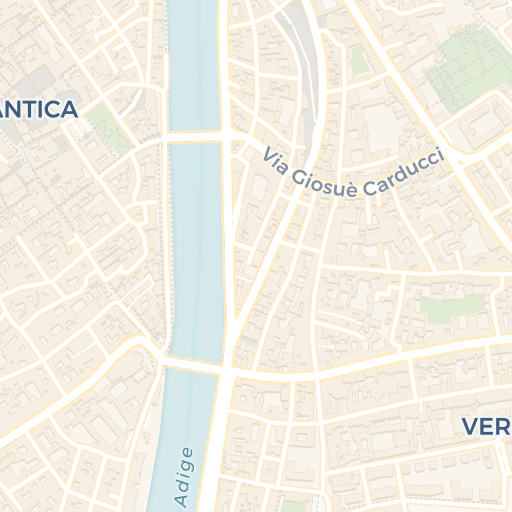
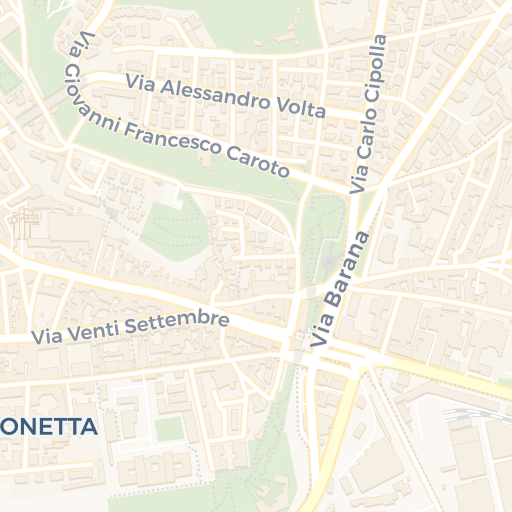
It is a ten-minute walk north from Piazza delle Erbe, close to Ponte Pietra, and combines naturally with Sant'Anastasia and the Roman theatre across the river.
The Biblioteca Capitolare is a separate institution with its own limited opening hours -- check before counting on it.
Allow forty-five minutes for the precinct, longer with the library.
The church is largely level at the entrance; the cloister and excavations involve steps and uneven ground.
Hours are seasonal and shorter on Sunday mornings. Shoulders and knees should be covered.
When to visit
Morning is the reliable time to find everything in the precinct open, including the baptistery and cloister, which sometimes close earlier than the church.
Late afternoon light falls on the west facade and is best for looking at Nicolò's porch from the piazza.
Spring and autumn are the comfortable seasons; the interior is cool in summer.
Avoid Sunday morning unless attending Mass.
The cathedral is markedly quieter than the Arena and the Piazza delle Erbe end of town at any time.