

Machu Picchu
Last updated on October 6, 2026Overview
Sitting high above the Urubamba Valley in Peru, the Incan citadel of Machu Picchu is Peru's most visited archaeological site and one of South America's defining landmarks. Built around 1450 under the Inca ruler Pachacuti and perched at roughly 2,430 meters (7,970 feet) above sea level, it's remained remarkably intact since being documented for the wider world in 1911.

Quick facts
- Type: Famous Wonder, Site Complex, Ruins, Sacred Place, Historic Place
- Visitor access: Open to visitors
- Admission: PEN 152
- Built: Around 1450
- Built for: Emperor Pachacuti
- Height: 2430 m
- UNESCO World Heritage Site: Yes
Visit responsibly
Daily visitor numbers at Machu Picchu are capped, and tickets are timed to specific entry slots and, for some circuits, guided-only access -- booking well ahead of a visit isn't just a suggestion, it's often the only way in during peak season (May-September).
Porters on the Inca Trail, almost all from local Quechua communities, have historically been underpaid and overloaded by some lower-cost tour operators -- choosing an operator that's transparent about porter pay and load limits directs more of a trip's cost to the people whose labor makes the trek possible.
Altitude is a real consideration even before reaching Machu Picchu itself, since Cusco sits above 3,400 meters (11,000 feet) -- spending a day or two acclimatizing before strenuous hiking reduces the risk of altitude sickness considerably.
Staying on marked paths protects both visitors and centuries-old stonework -- the terraces and structures were built for Inca use, not for modern foot traffic at current visitor volumes, and erosion from off-path walking is an active, ongoing concern for site conservation.
Where it is
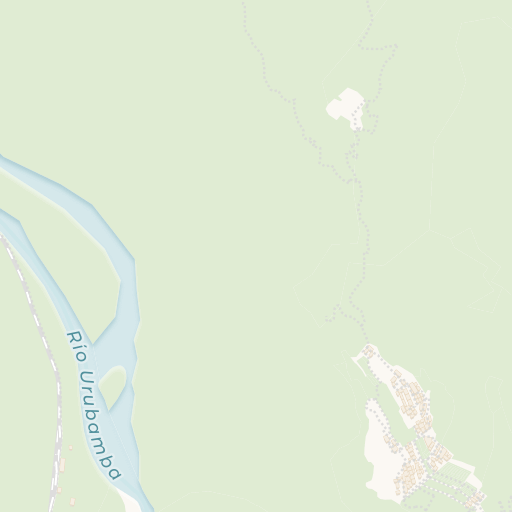
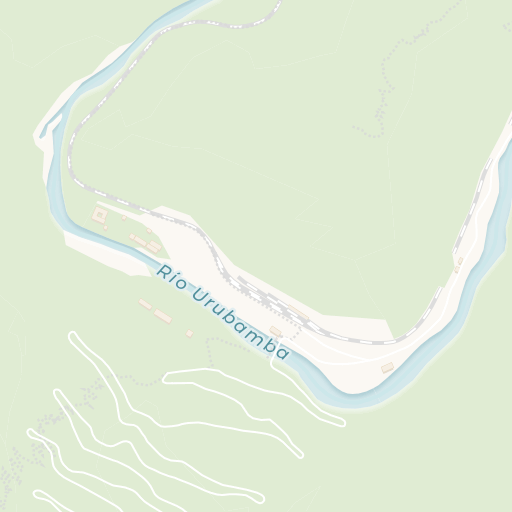
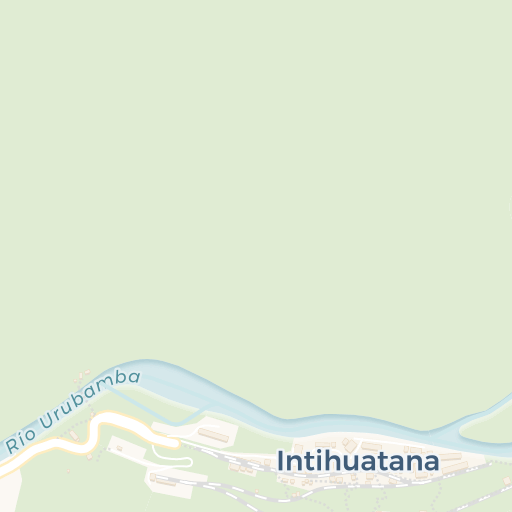
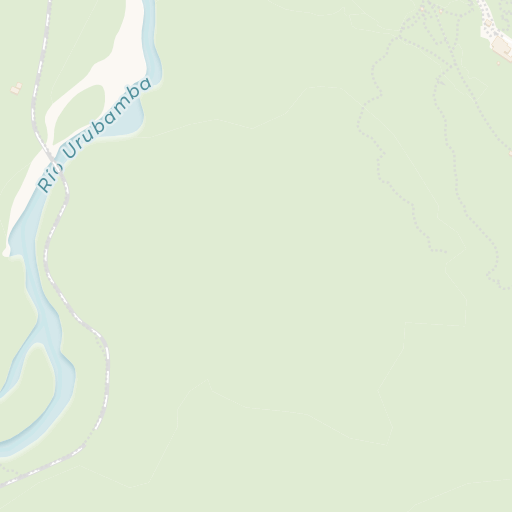
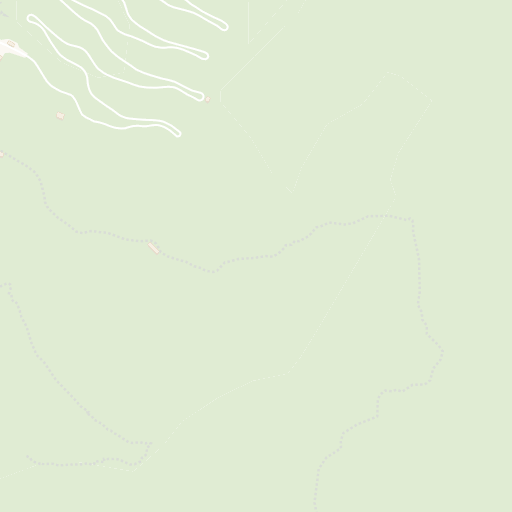
Get directions Open in Apple Maps
© OpenStreetMap contributors · © CARTO · -13.1633, -72.5456
Plan your visit
Admission: PEN 152 · Standard circuit entrance fee; Huayna Picchu access is a separate, limited-capacity ticket

Where is Machu Picchu located
Machu Picchu is located just 70 kilometers (43 miles) northwest of the city of Cusco, and there are several options for traveling to the site.
How to get there
The most common travel method is via train from Cusco, which takes around three and a half hours. From the train station, the city of Machu Picchu is an eight-kilometer bus ride away.
Alternatively, visitors can walk the Inca Trail, a two-to-four day hike through the Andes from the Urubamba Valley to the gates of Machu Picchu that requires a reasonable standard of physical fitness. The trail itself is of original Inca construction and passes several other Inca ruins along the way. The Peruvian government limits the number of people who can use the trail each season -- booking well in advance is essential.
Where to stay
Hotel accommodations are available in the area for visitors who wish to spend a day or two exploring the site. Spending at least one night nearby, rather than a single day trip, gives considerably more time to actually see Machu Picchu itself rather than rushing through it.

When to go
The site is least crowded early in the morning or late in the afternoon -- it gets considerably busier between 11 AM and 3 PM. The first buses leave the valley at 6:30 AM, early enough to reach the site in time for sunrise.