

Sagada Hanging Coffins
Last updated on March 25, 2021Overview
Hanging caskets are a tradition in Sagada, Philippines, of hanging caskets on high rocks.
History
The practice originated more than 2000 years ago from the local indigenous people. This practice is due to various factors: the ancients felt that their bodies were closer to heaven, they were afraid that dogs or headhunting tribes would dig up their bodies, the dead could continue to see the sky and feel the wind, the dead could have a benevolent eye on their loved ones, and they did not encroach on the growing space. With the arrival of Christianity, only some Sagada elders wish to continue this ritual. When the elders did not have time to place the coffins on the cliff, they placed them in caves on high ground. Some of these coffins are decorated with a lizard, a symbol of fertility and longevity.
Hanging Coffins ritual
At the time of death, the deceased's body is wrapped in a cloth in the colors of the family, and then it is attached to a wooden chair in a sitting position. Then, the body is smoked with a mixture of plants and herbs to prevent odors from being released from the body. For the next few days, the body is displayed at the house entrance to allow community members to honor the deceased. After these few days, the body is placed in the coffin (built by the deceased or a family member if he or she was too weak) in the fetal position to exit the world as he or she entered it. The coffin is no more than one meter long. It is then hoisted into the cemetery and hung by the village's young people (who benefit from the spiritual well-being of performing the rite) who place it on stakes driven into the cliff. Some of the chairs are attached to them. The practice was reserved for the rich because it was expensive. During the ceremony, the family had to sacrifice pigs and many chickens.
Quick facts
- Type: Historic Place, Cemetery
- Visitor access: Open to visitors
Where it is
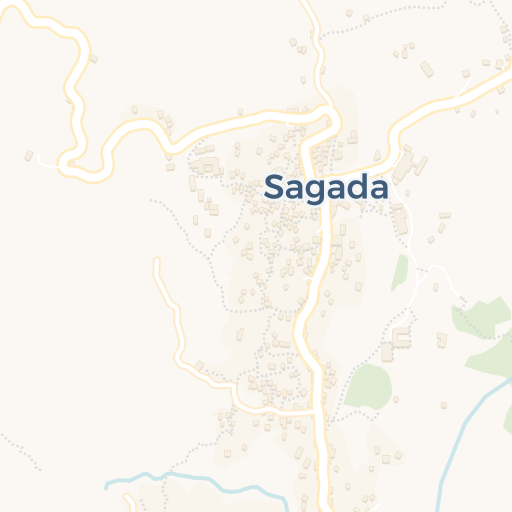
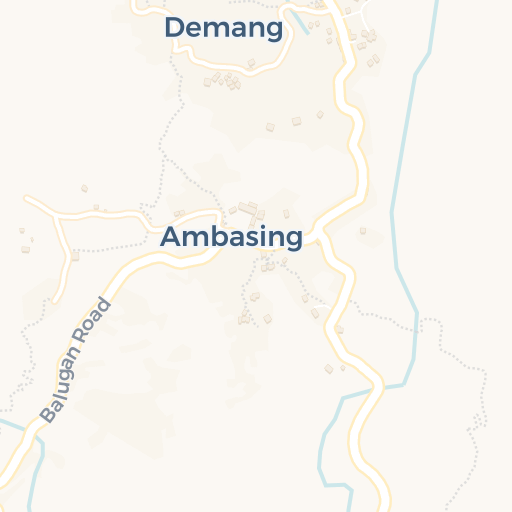

Get directions Open in Apple Maps
© OpenStreetMap contributors · © CARTO · 17.08072, 120.90579