

Pena Palace
Last updated on March 4, 2021Overview
The Palácio Nacional da Pena is a Portuguese historic building located on one of the peaks of the Sintra Mountains, in the heart of a 200-hectare park in the city of Sintra. It is characterized by its bright colors, yellow and red.
History
We owe it to Prince Ferdinand of Saxe-Coburg-Gotha. He was of German origin and became an adopted Portuguese as a result of his alliance with Queen Marie II.
In 1839, after having bought the ruins of a 15th-century Hieronymite Monastery, the same sovereign entrusted his summer palace's construction to Baron Ludwig von Eschwege. This one blithely mixes architectural styles - Moorish, Baroque, Gothic, Renaissance and Manueline - to deliver an exuberant and colorful building, but retains some parts of the old monastery.
The construction, which began in the mid-19th century, was not completed until 1885, the year of the king's death.
After the Republic's proclamation in 1910, the building, which became the property of the State, is kept as it is and open to the public.
Architecture
You enter the palace through a Moorish door leading to an interior courtyard; in it, we can find a triton arch decorated with neo-Manueline details and neo-romanticism.
The interior of the palace is divided into different rooms. The Arab room, as its name suggests, thus presents frescoes and other ornaments inspired by the East. The ballroom mixes oriental decorative elements with Prussian stained glass windows.
The cloister and the chapel, for their part, display the Manueline style.
The various balconies offer panoramic views of the Atlantic coast and the Tagus River.
Quick facts
- Type: Famous Wonder, Historic Place, Palace
- Visitor access: Open to visitors
- Admission: €20
Where it is
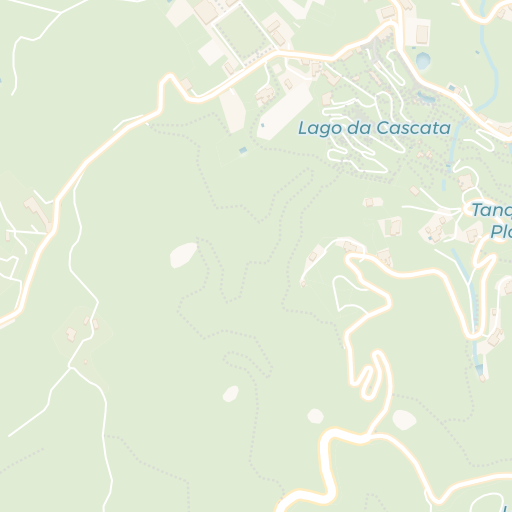
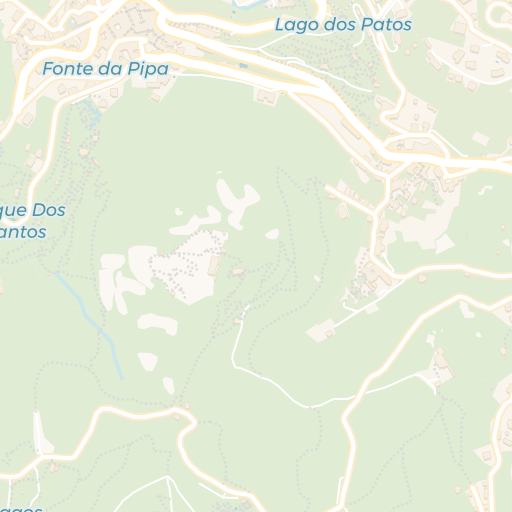
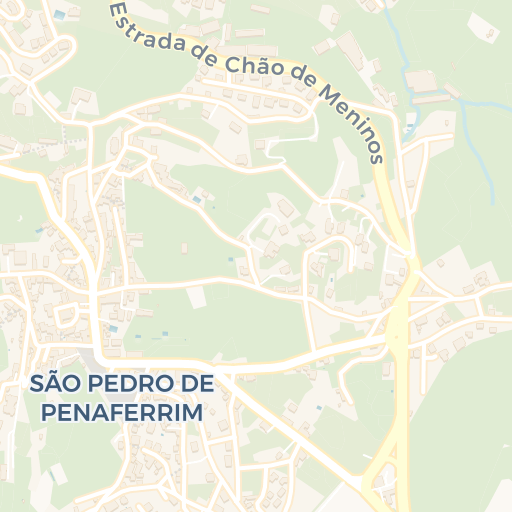
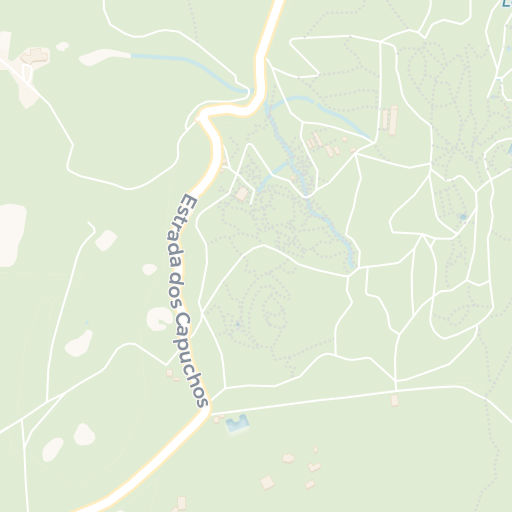
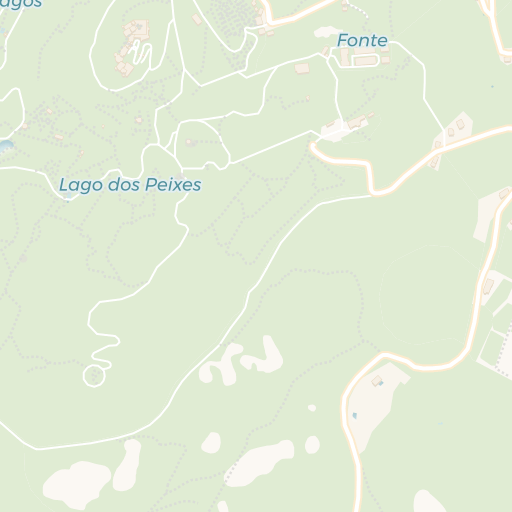
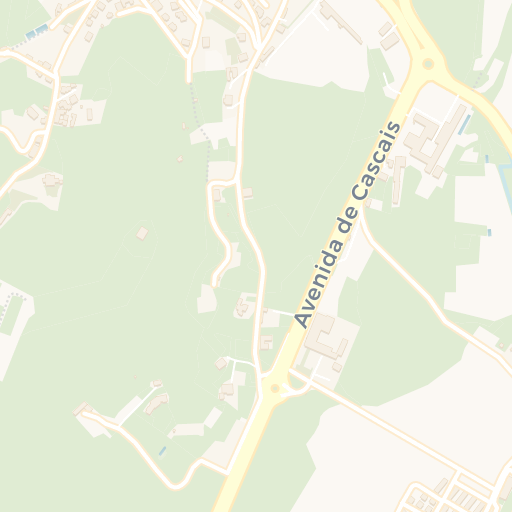
Get directions Open in Apple Maps
© OpenStreetMap contributors · © CARTO · 38.78797, -9.38713