

Arco dei Gavi
Zuletzt aktualisiert am 9. November 2026Der Arco dei Gavi steht neben Castelvecchio in Verona, und zwei Dinge an ihm sind ungewöhnlich.
Erstens ist er ein privates Denkmal. Römische Bögen waren normalerweise kaiserlich; diesen errichtete im 1. Jahrhundert n. Chr. die gens Gavia, eine wohlhabende Veroneser Familie, für sich selbst.
Zweitens ist er signiert. Der Architekt, ein Freigelassener namens Lucius Vitruvius Cerdo, hat seinen Namen eingemeißelt — etwas, das nur sehr wenige römische Bauten überhaupt tragen.
Was dort steht, steht auch nicht dort, wo es stand. Napoleonische Truppen rissen ihn 1805 nieder; die Steine wurden aufbewahrt, und 1932 wurde er hier wieder aufgebaut.
Die Herausforderung für Besucher
The arch is not where the Romans put it. It was demolished in 1805 and rebuilt on a nearby site in 1932, so anyone who needs a monument in its original position should know that before walking over. It also stands beside a busy road rather than in a protected setting, and without knowing to look for the architect's signature and the cart ruts in the paving there is not much here to hold a visitor for more than ten minutes.
Tipps und Strategie für den Besuch
Der richtige Zeitpunkt
Late afternoon gives the best light on the arch and on Castelvecchio behind it.
Any season -- it stands in the open with nothing to close.
Early morning is quietest; Corso Cavour is a busy road and the arch sits beside it.
Evenings when it is lit, on the walk between the centre and Castelvecchio bridge.
So gelingt der Besuch
Find the architect's signature cut into the stone. Lucius Vitruvius Cerdo, a freedman, put his own name on this arch as its architect, which almost never happens in Roman architecture and is the single most interesting thing about the monument.
Look down afterwards for the cart ruts worn into the paving. Without those two things this is a handsome arch beside a busy road and nothing more. Take it together with Castelvecchio in a single stop rather than making a trip of it — the two stand next to each other and ten minutes is enough.
Was es kostet
Nothing, and you can walk right round it. The arch stands free on open ground beside Castelvecchio, with no enclosure of any kind — which in Verona is rare enough to be worth the sentence.
So the two things that make it unusual are both free to examine: that it is a private monument rather than an imperial one, and that its architect signed it. Lucius Vitruvius Cerdo's name is cut into the stone and reads from the ground.
Geprüft bei Comune di Verona, November 2026.
Anreise und Einlass
Der Bogen ist kostenlos und jederzeit zugänglich, frei stehend neben Castelvecchio am Corso Cavour. Nichts zu buchen und nichts zu zahlen.
Es sind zehn Gehminuten westwärts von der Piazza delle Erbe, unmittelbar neben Castelvecchio und seiner Brücke, sodass beides natürlich zusammengeht.
Planen Sie zehn Minuten ein. Suchen Sie die Signatur und die Karrenspuren im Pflaster — ohne sie ist es ein hübscher Bogen und wenig mehr.
Der Ort ist eben und vollständig zugänglich.
Mit Porta Borsari und Porta Leoni zusammen ergibt er einen römischen Gang durch das Zentrum, der nichts kostet und etwa eine Stunde dauert.
Barrierefreiheit vor Ort
A free-standing Roman arch beside Castelvecchio, with nothing to enter and nothing to climb. It is free and open at any hour, and — unusually for Verona — it can be walked round completely.*
The architect’s signature, which is the rarest thing about it, is cut into the stone and readable from the ground without height or a ticket.
The ground is level, which for a Roman monument in this city is worth saying. disMappa, the Verona association that maps the city for wheelchair users, described the piazzetta beside Castelvecchio as comfortably flat after the arch’s restoration — but that was in 2013, and it recorded the surface as compacted earth at the time, so the paving may well have changed since. No current access statement is published for the site by anyone.
Mit * Gekennzeichnetes ist unsere eigene Einschätzung des Ortes, keine Angabe des Betreibers. Wir haben nachgefragt; seine Antwort wird sie ersetzen.
Kurzinfo
- Typ: Denkmal
- Reservierung: Nicht erforderlich — Tickets vor Ort
- Typischer Besuch: Etwa 10 Minuten
- Erbaut: 1st century AD; demolished 1805, reassembled 1932
- Erbaut für: the Gavia family
- Entworfen von: Lucius Vitruvius Cerdo
- Baustil: Römisch
- A Roman building that names its architect: L. Vitruvius Cerdo, a freedman, signed the arch as its designer -- almost unheard of in Roman architecture, where buildings are credited to their patrons.
- Pulled down, kept, put back: Napoleonic troops demolished it in 1805, but the blocks were numbered and stored; it was reassembled beside Castelvecchio in 1932, near its original site rather than on it.
- UNESCO-Weltkulturerbe: Ja
Wo es liegt
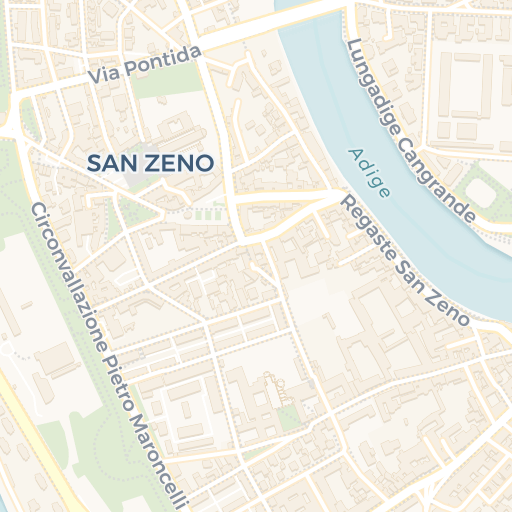
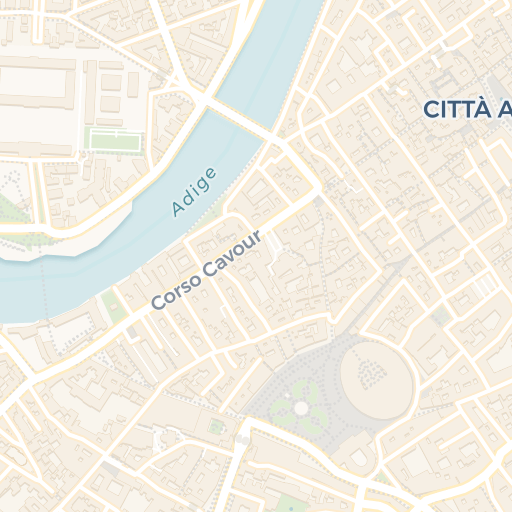
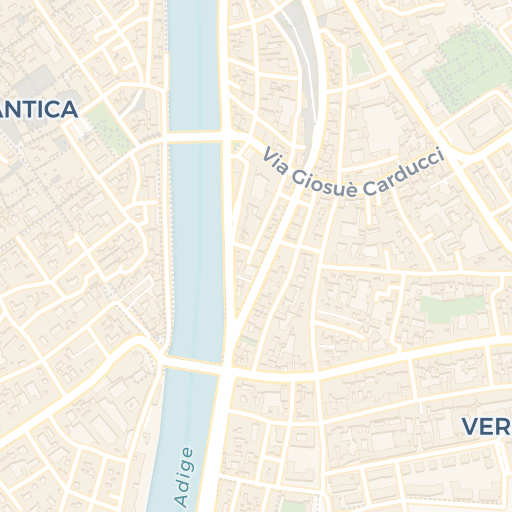
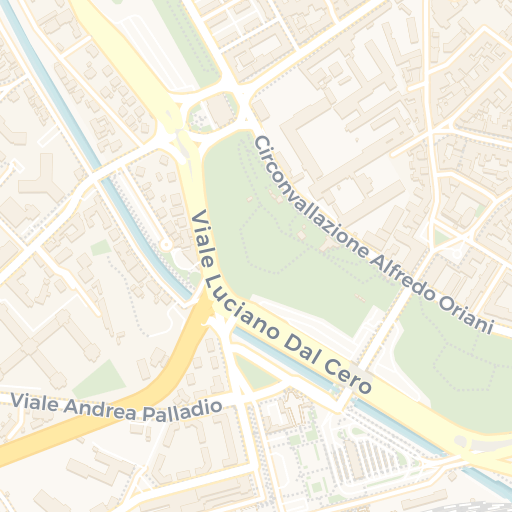
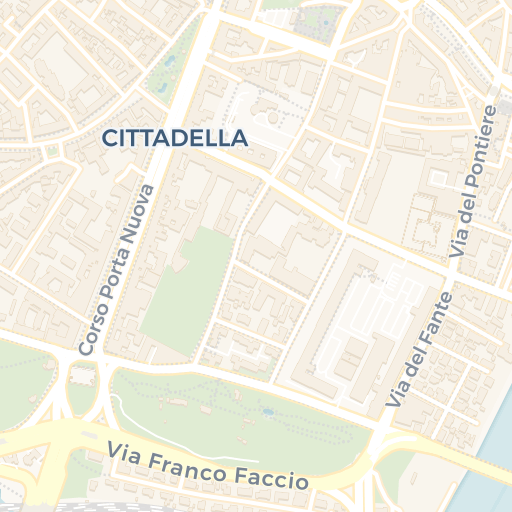
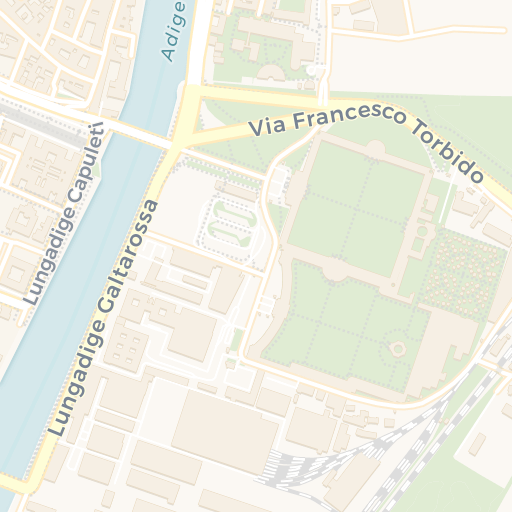
Route planen In Apple Karten öffnen
© OpenStreetMap contributors · © CARTO · 45.44, 10.9886
Verantwortungsvoll besuchen
Der Bogen steht an einer belebten Straße. Vorsicht beim Überqueren, und bleiben Sie beim Fotografieren von der Fahrbahn fern.
Klettern Sie nicht auf den Bogen oder auf das ausgestellte römische Pflaster. Die Karrenspuren sind das Empfindlichste hier und am leichtesten weiter abzunutzen.
Berühren Sie die Inschriften nicht, auch die Signatur nicht — gemeißelte Buchstaben sind genau das, was Hände zuerst abtragen.
Castelvecchio nebenan zu besuchen unterstützt das Museum, das einen großen Teil des römischen und mittelalterlichen Materials Veronas bewahrt, darunter Cangrandes Originalstatue.