

Arco dei Gavi
Última atualização em 9 de novembro de 2026O Arco dei Gavi ergue-se ao lado de Castelvecchio em Verona, e duas coisas nele são invulgares.
Primeiro, é um monumento privado. Os arcos romanos eram normalmente imperiais; este foi erguido no século I d.C. pela gens Gavia, uma família veronesa abastada, para si própria.
Segundo, está assinado. O arquitecto, um liberto chamado Lúcio Vitrúvio Cerdo, gravou-lhe o nome — algo que muito poucos edifícios romanos trazem seja onde for.
E o que está de pé também não está onde estava. Tropas napoleónicas deitaram-no abaixo em 1805; as pedras foram guardadas, e em 1932 foi remontado aqui.
O desafio para quem visita
The arch is not where the Romans put it. It was demolished in 1805 and rebuilt on a nearby site in 1932, so anyone who needs a monument in its original position should know that before walking over. It also stands beside a busy road rather than in a protected setting, and without knowing to look for the architect's signature and the cart ruts in the paving there is not much here to hold a visitor for more than ten minutes.
Dicas e estratégia de visita
Quando ir
Late afternoon gives the best light on the arch and on Castelvecchio behind it.
Any season -- it stands in the open with nothing to close.
Early morning is quietest; Corso Cavour is a busy road and the arch sits beside it.
Evenings when it is lit, on the walk between the centre and Castelvecchio bridge.
Como aproveitar ao máximo
Find the architect's signature cut into the stone. Lucius Vitruvius Cerdo, a freedman, put his own name on this arch as its architect, which almost never happens in Roman architecture and is the single most interesting thing about the monument.
Look down afterwards for the cart ruts worn into the paving. Without those two things this is a handsome arch beside a busy road and nothing more. Take it together with Castelvecchio in a single stop rather than making a trip of it — the two stand next to each other and ten minutes is enough.
Quanto custa
Nothing, and you can walk right round it. The arch stands free on open ground beside Castelvecchio, with no enclosure of any kind — which in Verona is rare enough to be worth the sentence.
So the two things that make it unusual are both free to examine: that it is a private monument rather than an imperial one, and that its architect signed it. Lucius Vitruvius Cerdo's name is cut into the stone and reads from the ground.
Verificado em Comune di Verona, novembro de 2026.
Como chegar e entrar
O arco é gratuito e sempre acessível, ao ar livre ao lado de Castelvecchio no corso Cavour. Nada a marcar nem a pagar.
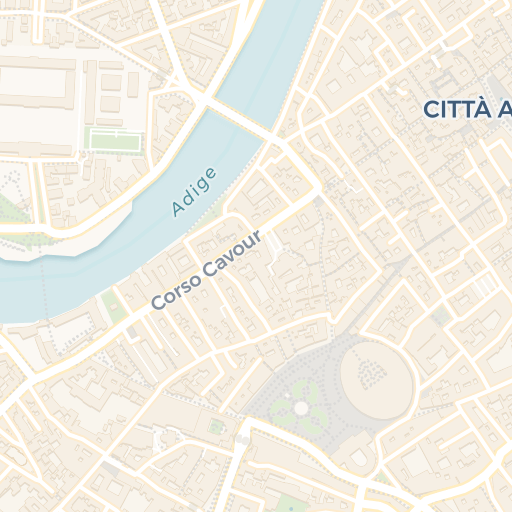
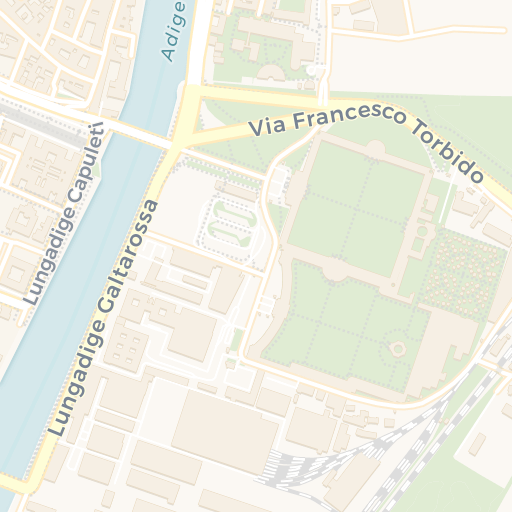
Fica a dez minutos a pé para poente da piazza delle Erbe, mesmo ao lado de Castelvecchio e da sua ponte, pelo que os dois vão naturalmente juntos.
Conte com dez minutos. Procure a assinatura e as rodeiras na calçada — sem elas é um arco bonito e pouco mais.
O local está ao nível e é totalmente acessível.
Combinado com Porta Borsari e Porta Leoni, compõe um percurso romano pelo centro que não custa nada e leva cerca de uma hora.
Acessibilidade do local
A free-standing Roman arch beside Castelvecchio, with nothing to enter and nothing to climb. It is free and open at any hour, and — unusually for Verona — it can be walked round completely.*
The architect’s signature, which is the rarest thing about it, is cut into the stone and readable from the ground without height or a ticket.
The ground is level, which for a Roman monument in this city is worth saying. disMappa, the Verona association that maps the city for wheelchair users, described the piazzetta beside Castelvecchio as comfortably flat after the arch’s restoration — but that was in 2013, and it recorded the surface as compacted earth at the time, so the paving may well have changed since. No current access statement is published for the site by anyone.
O que está marcado com * é a nossa própria leitura do local, não uma declaração do operador. Já perguntámos, e a resposta deles substituirá a nossa.
Dados rápidos
- Tipo: Monumento
- Reserva: Não é necessária — bilhetes na bilheteira
- Visita típica: Cerca de 10 minutos
- Construído: 1st century AD; demolished 1805, reassembled 1932
- Construído para: the Gavia family
- Projetado por: Lucius Vitruvius Cerdo
- Estilo arquitetónico: Romano
- A Roman building that names its architect: L. Vitruvius Cerdo, a freedman, signed the arch as its designer -- almost unheard of in Roman architecture, where buildings are credited to their patrons.
- Pulled down, kept, put back: Napoleonic troops demolished it in 1805, but the blocks were numbered and stored; it was reassembled beside Castelvecchio in 1932, near its original site rather than on it.
- Património Mundial da UNESCO: Sim
Visita responsável
O arco ergue-se junto a uma via movimentada. Cuidado ao atravessar, e não invada a faixa de rodagem para o fotografar.
Não trepe ao arco nem à calçada romana exposta. As rodeiras são o que aqui há de mais frágil e o mais fácil de continuar a gastar.
Não toque nas inscrições, incluindo a assinatura — as letras gravadas são exactamente o que as mãos desgastam primeiro.
Visitar Castelvecchio ao lado apoia o museu que conserva boa parte do material romano e medieval de Verona, incluindo a estátua original de Cangrande.