

Giardino Giusti
Zuletzt aktualisiert am 9. November 2026Öffnungszeiten geprüft November 2026
Der Giusti-Garten liegt hinter einem Palast am linken Ufer der Etsch, wenige Minuten vom römischen Theater, und er ist einer der schönsten erhaltenen italienischen Renaissancegärten.
Angelegt wurde er ab den 1570er-Jahren, und er hat die klassische Struktur: ein förmlicher unterer Garten mit Buchsparterres in der Ebene, eine Zypressenallee, die gerade in der Achse hinaufführt, und dann ein bewaldeter Hang, der zu einem Belvedere über Verona ansteigt.
Auf halber Höhe starrt eine groteske steinerne Maske die Allee hinunter. Sie spie einst Feuer, was das Meiste darüber sagt, wozu dieser Garten da war.
Die Herausforderung für Besucher
This is a garden of geometry, stone and evergreen rather than of planting, so anyone coming for flowers has misread it. The upper garden is a real hillside — stepped, steep and uneven — and the climb to the belvedere is the point of the design rather than an optional extra, which rules the best of it out for visitors who cannot manage slopes. Admission is also the steepest of Verona's ticketed sites at €14, because the garden is privately owned and maintained.
Tipps und Strategie für den Besuch
Der richtige Zeitpunkt
April to June is the garden at its best -- everything in leaf and flower, and the climb still comfortable.
Late afternoon gives the best light along the cypress avenue and from the belvedere.
September and October are quieter and still green.
July and August are hot on an exposed limestone hillside; go early if you go then.
Winter is bare but rarely busy, and the structure of a formal garden reads more clearly without its planting.
Geprüft bei Giardino Giusti, Oktober 2026.
So gelingt der Besuch
Walk straight up the cypress avenue before doing anything else. The garden is built on one axis — geometry and control on the flat, then the climb into hillside that gets deliberately wilder — and wandering the lower terraces first destroys the sequence it was designed to deliver.
Find the grotesque stone mask halfway up: it marks the point where the formal garden gives way to the wood, and it is the hinge of the whole design. Keep going to the belvedere at the top. In summer the garden opens at 9.00, which is the hour to use on an exposed limestone hillside.
Was es kostet
What is free
Very little, and that is worth knowing before you walk over. The garden is walled: the cypress avenue, the terraces, the grottoes and the belvedere are all inside the ticket, and there is no vantage point from the street.
Admission is €14, reduced to €10 for students, Verona residents, Verona Card holders and groups. It is free for a visitor with a disability who needs a companion and for teachers accompanying a school class.
The boundary is the door on Via Giardino Giusti; everything past the entrance hall is ticketed.
It is about a ten-minute walk from Ponte Nuovo or Ponte Pietra, on the same bank as the Roman theatre and easily combined with it.
Opening hours are seasonal, closing earlier in winter. It can close in high wind, given the trees.
Allow an hour, or longer if you climb slowly and sit at the top.
The lower garden is level and accessible. The upper garden, the belvedere and the grottoes are reached by steep steps and rough paths and are not accessible.
There is little shade on the climb; bring water in summer.
Anreise und Einlass
Eintritt: €14–€13 · Privately owned and maintained; higher than the city’s church tickets
Preise geprüft im November 2026
Der Garten erhebt Eintritt — höher als die meisten Kirchenkarten Veronas, da er in Privatbesitz ist und aus eigenen Mitteln unterhalten wird — und ist in der Verona Card enthalten.
Was kostenlos ist
Sehr wenig, und das sollte man wissen, bevor man quer durch die Stadt läuft. Der Garten ist ummauert: Zypressenallee, Terrassen, Grotten und Belvedere liegen alle im Ticket, und von der Straße aus gibt es keinen Blickpunkt.
Der Eintritt kostet 14 €, ermäßigt 10 € für Studierende, Einwohner Veronas, Inhaber der Verona Card und Gruppen. Frei ist er für eine Person mit Behinderung, die eine Begleitung braucht, und für Lehrkräfte, die eine Schulklasse begleiten.
Die Grenze ist die Tür an der Via Giardino Giusti; hinter dem Eingangsraum ist alles kostenpflichtig.
Es sind etwa zehn Gehminuten von der Ponte Nuova oder der Ponte Pietra, am selben Ufer wie das römische Theater und leicht damit zu verbinden.
Die Öffnungszeiten sind saisonal und im Winter kürzer. Bei starkem Wind kann er wegen der Bäume schließen.
Planen Sie eine Stunde ein, länger, wenn Sie langsam steigen und oben sitzen bleiben.
Der untere Garten ist eben und zugänglich. Oberer Garten, Belvedere und Grotten erreicht man über steile Stufen und raue Pfade und sind nicht barrierefrei.
Auf dem Anstieg gibt es wenig Schatten; nehmen Sie im Sommer Wasser mit.
Geprüft bei Giardino Giusti, November 2026.
Barrierefreiheit vor Ort
This garden is built on a hill, and the hill is the point. The flat lower garden of box parterres is level ground off the palace courtyard and holds the formal design, the cypress avenue and the carved stone mask. Everything above it — the wooded slope, the belvedere and the view over Verona — is a climb on garden paths.
Verona’s destination portal puts the limit plainly: only the lower part of the garden can be visited, and the apartments are not accessible — they have no lift. So there is a real visit at the bottom for anyone who cannot manage the top, which is not true of every garden on a slope, and the classic framed view up the cypress avenue is seen from the level part.
A disabled visitor who needs a companion is admitted free. The garden states it in its own ticket table, alongside a standard ticket of €14.00 — so it is a published concession rather than something to negotiate at the gate.
Still not published, and still not guessed: the surface and gradient of the lower paths, and whether the entrance on Via Giardino Giusti has a step. The garden answers on info@giardinogiusti.com and +39 045 803 4029.
Geprüft bei Visit Verona, November 2026.
Kurzinfo
- Typ: Garten
- Eintritt: €14–€13
- Reservierung: Nicht erforderlich — Tickets vor Ort
- Typischer Besuch: Etwa 1 Stunde
- Erbaut: Laid out from the 1570s
- Erbaut von: Agostino Giusti
- Baustil: Italienischer Renaissancegarten
- A mask that breathed fire: The mascherone at the head of the cypress avenue was rigged to emit smoke and flame -- Renaissance garden design as entertainment, not only as horticulture.
- Goethe stopped here in 1786: The garden was a Grand Tour fixture; Goethe singled out its cypresses in his Italian Journey, and Mozart visited as a boy.
- UNESCO-Weltkulturerbe: Ja
Wo es liegt
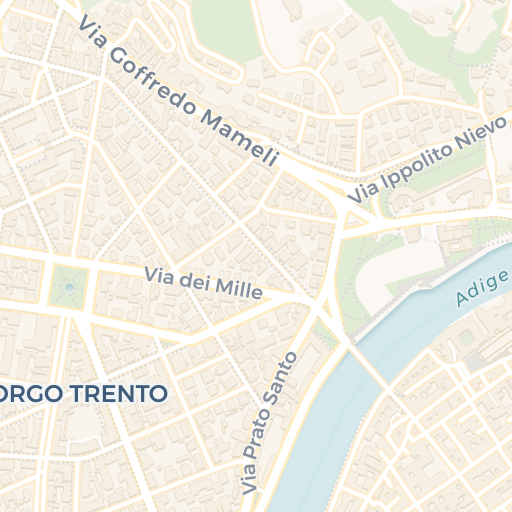
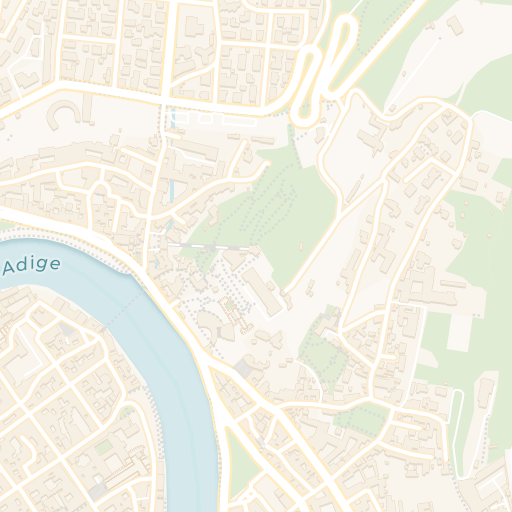
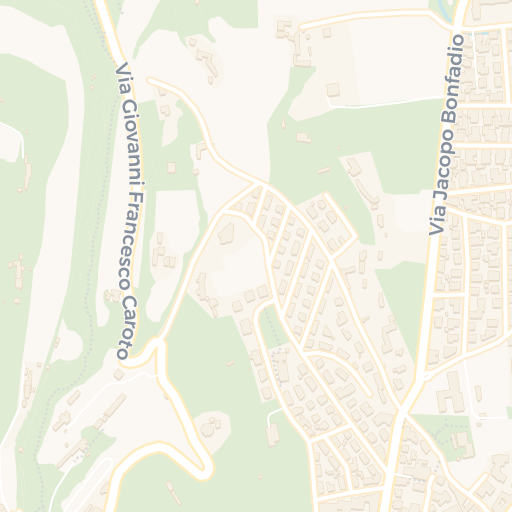
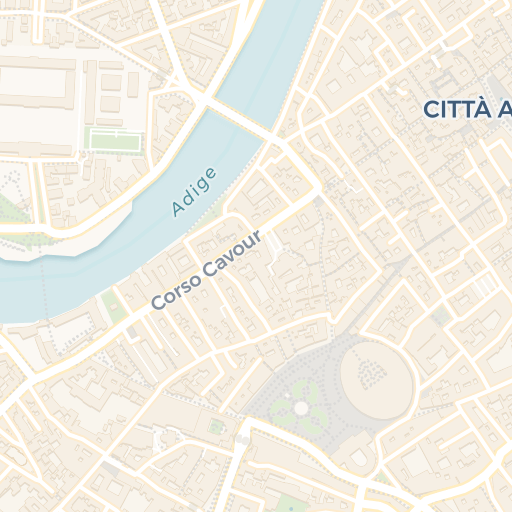
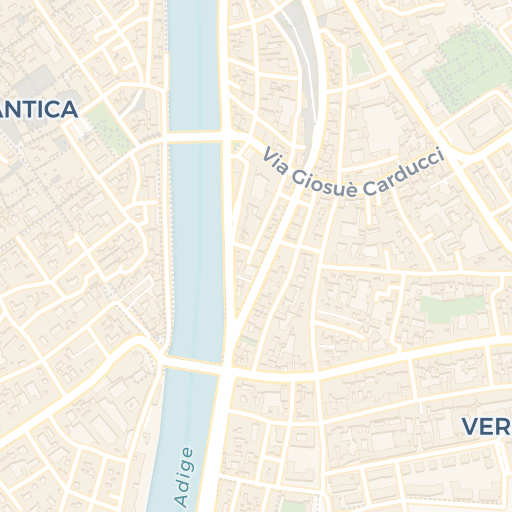
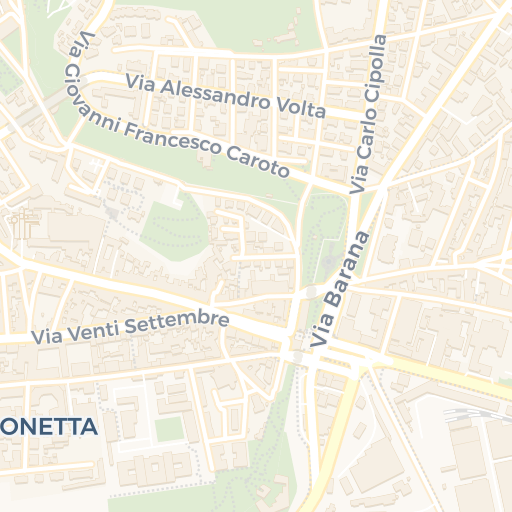
Route planen In Apple Karten öffnen
© OpenStreetMap contributors · © CARTO · 45.4447, 11.0044
Verantwortungsvoll besuchen
Dies ist ein Garten in Privatbesitz, nach mehr als vier Jahrhunderten in einer Familie aus seinen Eintrittseinnahmen unterhalten. Die Karte ist der Punkt — sie ist es, was ihn erhält.
Bleiben Sie auf den Wegen und Kieswegen. Die Buchsparterres sind geschnittene Hecken, die sich langsam erholen, und der Hang erodiert dort, wo man abkürzt.
Die Schäden des Sturms von 2020 werden noch behoben, und junge Bäume wachsen an. Klettern Sie nicht auf Terrassen, Mauern oder den Mascherone.
Pflücken Sie nichts, auch keine Zitrusfrüchte aus den Kübeln.
Der Garten ist klein und still, und zwar absichtlich. Außerhalb der vollsten Stunden zu kommen bewahrt das, wozu er eigentlich da ist.