

Giardino Giusti
Dernière mise à jour le 9 novembre 2026Horaires vérifiés novembre 2026
Le jardin Giusti s’étend derrière un palais sur la rive gauche de l’Adige, à quelques minutes du théâtre romain, et c’est l’un des plus beaux jardins de la Renaissance italienne subsistants.
Il a été tracé à partir des années 1570 et présente la structure classique : un jardin bas régulier de parterres de buis sur le plat, une allée de cyprès montant droit dans l’axe, puis un coteau boisé grimpant jusqu’à un belvédère au-dessus de Vérone.
À mi-pente, un masque de pierre grotesque fixe l’allée. Il crachait autrefois du feu, ce qui dit l’essentiel de ce à quoi ce jardin servait.
La difficulté pour les visiteurs
This is a garden of geometry, stone and evergreen rather than of planting, so anyone coming for flowers has misread it. The upper garden is a real hillside — stepped, steep and uneven — and the climb to the belvedere is the point of the design rather than an optional extra, which rules the best of it out for visitors who cannot manage slopes. Admission is also the steepest of Verona's ticketed sites at €14, because the garden is privately owned and maintained.
Conseils et stratégie de visite
Quand y aller
April to June is the garden at its best -- everything in leaf and flower, and the climb still comfortable.
Late afternoon gives the best light along the cypress avenue and from the belvedere.
September and October are quieter and still green.
July and August are hot on an exposed limestone hillside; go early if you go then.
Winter is bare but rarely busy, and the structure of a formal garden reads more clearly without its planting.
Vérifié auprès de Giardino Giusti, octobre 2026.
En profiter vraiment
Walk straight up the cypress avenue before doing anything else. The garden is built on one axis — geometry and control on the flat, then the climb into hillside that gets deliberately wilder — and wandering the lower terraces first destroys the sequence it was designed to deliver.
Find the grotesque stone mask halfway up: it marks the point where the formal garden gives way to the wood, and it is the hinge of the whole design. Keep going to the belvedere at the top. In summer the garden opens at 9.00, which is the hour to use on an exposed limestone hillside.
Ce que ça coûte
What is free
Very little, and that is worth knowing before you walk over. The garden is walled: the cypress avenue, the terraces, the grottoes and the belvedere are all inside the ticket, and there is no vantage point from the street.
Admission is €14, reduced to €10 for students, Verona residents, Verona Card holders and groups. It is free for a visitor with a disability who needs a companion and for teachers accompanying a school class.
The boundary is the door on Via Giardino Giusti; everything past the entrance hall is ticketed.
It is about a ten-minute walk from Ponte Nuovo or Ponte Pietra, on the same bank as the Roman theatre and easily combined with it.
Opening hours are seasonal, closing earlier in winter. It can close in high wind, given the trees.
Allow an hour, or longer if you climb slowly and sit at the top.
The lower garden is level and accessible. The upper garden, the belvedere and the grottoes are reached by steep steps and rough paths and are not accessible.
There is little shade on the climb; bring water in summer.
S'y rendre et entrer
Entrée: €14–€13 · Privately owned and maintained; higher than the city’s church tickets
Prix vérifiés en novembre 2026
Le jardin demande un droit d’entrée — plus élevé que la plupart des billets d’église de Vérone, puisqu’il est privé et entretenu sur ses ressources — et il est inclus dans la Verona Card.
Ce qui est gratuit
Très peu, et cela vaut la peine de le savoir avant de traverser la ville. Le jardin est clos de murs : l'allée de cyprès, les terrasses, les grottes et le belvédère sont tous dans le billet, et aucun point de la rue ne permet de le voir.
L'entrée coûte 14 €, réduite à 10 € pour les étudiants, les résidents de Vérone, les détenteurs de la Verona Card et les groupes. Elle est gratuite pour une personne en situation de handicap ayant besoin d'un accompagnateur et pour les enseignants accompagnant une classe.
La limite est la porte de la via Giardino Giusti : au-delà du vestibule, tout est payant.
Comptez environ dix minutes à pied depuis le Ponte Nuovo ou le Ponte Pietra, sur la même rive que le théâtre romain et facile à combiner avec lui.
Les horaires sont saisonniers et plus courts en hiver. Le jardin peut fermer par vent fort, à cause des arbres.
Prévoyez une heure, davantage si vous montez lentement et vous asseyez en haut.
Le jardin bas est de plain-pied et accessible. Le jardin haut, le belvédère et les grottes s’atteignent par des marches raides et des sentiers rugueux et ne sont pas accessibles.
Il y a peu d’ombre pendant la montée ; emportez de l’eau en été.
Vérifié auprès de Giardino Giusti, novembre 2026.
Accessibilité du lieu
This garden is built on a hill, and the hill is the point. The flat lower garden of box parterres is level ground off the palace courtyard and holds the formal design, the cypress avenue and the carved stone mask. Everything above it — the wooded slope, the belvedere and the view over Verona — is a climb on garden paths.
Verona’s destination portal puts the limit plainly: only the lower part of the garden can be visited, and the apartments are not accessible — they have no lift. So there is a real visit at the bottom for anyone who cannot manage the top, which is not true of every garden on a slope, and the classic framed view up the cypress avenue is seen from the level part.
A disabled visitor who needs a companion is admitted free. The garden states it in its own ticket table, alongside a standard ticket of €14.00 — so it is a published concession rather than something to negotiate at the gate.
Still not published, and still not guessed: the surface and gradient of the lower paths, and whether the entrance on Via Giardino Giusti has a step. The garden answers on info@giardinogiusti.com and +39 045 803 4029.
Vérifié auprès de Visit Verona, novembre 2026.
Informations essentielles
- Type: Jardin
- Entrée: €14–€13
- Réservation: Non requise — billets sur place
- Visite typique: Environ 1 heure
- Construit: Laid out from the 1570s
- Construit par: Agostino Giusti
- Style architectural: Jardin à l'italienne
- A mask that breathed fire: The mascherone at the head of the cypress avenue was rigged to emit smoke and flame -- Renaissance garden design as entertainment, not only as horticulture.
- Goethe stopped here in 1786: The garden was a Grand Tour fixture; Goethe singled out its cypresses in his Italian Journey, and Mozart visited as a boy.
- Site du patrimoine mondial de l'UNESCO: Oui
Où se trouve-t-il
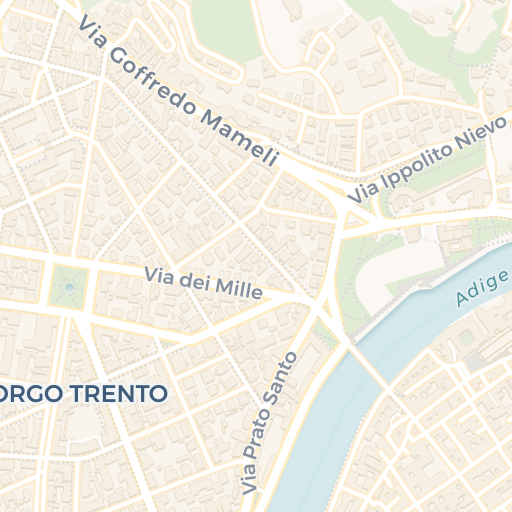
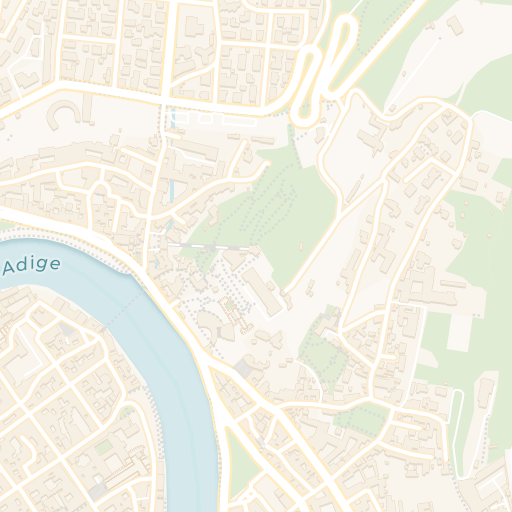
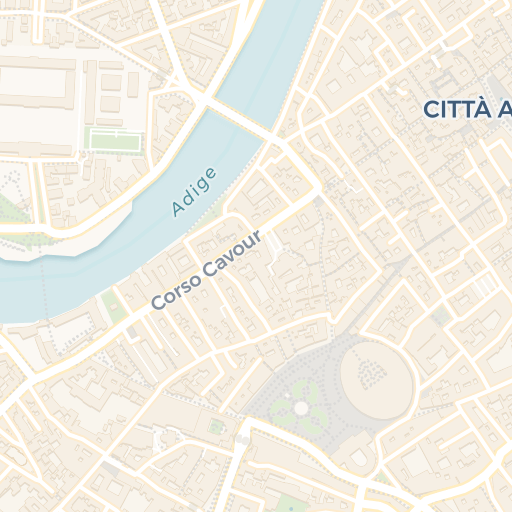
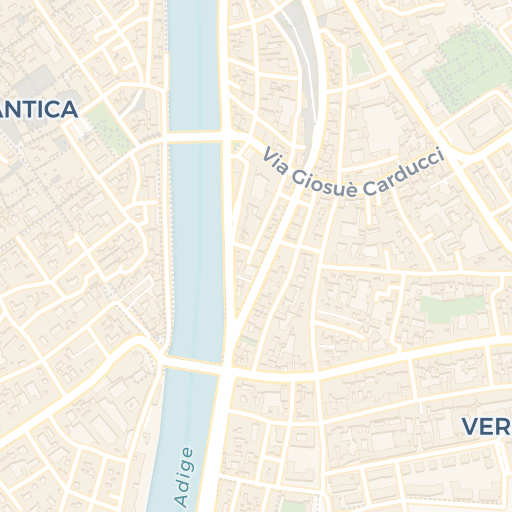
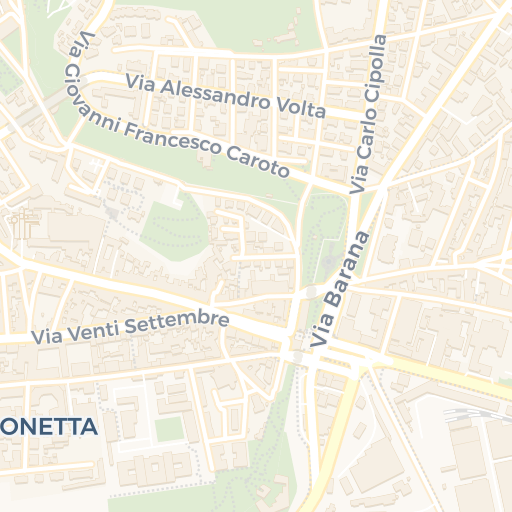
Itinéraire Ouvrir dans Apple Plans
© OpenStreetMap contributors · © CARTO · 45.4447, 11.0044
Visite responsable
C’est un jardin privé, entretenu sur ses recettes d’entrée après plus de quatre siècles dans une même famille. Le billet est le point : c’est lui qui le maintient.
Tenez-vous aux sentiers et aux allées de gravier. Les parterres de buis sont des haies taillées qui se remettent lentement, et le coteau s’érode là où l’on coupe au court.
Les dégâts de la tempête de 2020 sont encore en cours de réparation et de jeunes arbres s’installent. Ne montez pas sur les terrasses, les murs ou le mascherone.
Ne cueillez rien, y compris les agrumes dans les pots.
Le jardin est petit et calme par dessein. Venir hors des heures les plus chargées préserve ce à quoi il sert réellement.