

Giardino Giusti
Last updated on September 23, 2026Why visit Giardino Giusti
One of the few Italian Renaissance gardens that still has its original structure, and it is legible in a way most are not: geometry and control on the flat, then a cypress avenue running straight up the axis into wooded hillside that gets deliberately wilder as it climbs. The grotesque stone mask halfway up marks the transition. At the top is a belvedere over the whole city.
Visit if you:
- are fascinated by Renaissance design, and how it staged nature against order
- want a garden that is a composition rather than a collection of plants
- like a view earned by climbing rather than by lift
- need somewhere quiet within ten minutes of the centre
Skip it if you:
- are coming for flowers — this is a garden of geometry, stone and evergreen, not of planting
- cannot manage a real hillside; the upper garden is stepped, steep and uneven
Quick facts
- Type: Garden
- Local name: Giardino Giusti (vedi la pagina italiana)
- Admission: €14–€13
- Reservation: Not required — tickets on the door
- Typical visit: About 1 hour
- Built: Laid out from the 1570s
- Built by: Agostino Giusti
- Architectural style: Italian Renaissance garden
- A mask that breathed fire: The mascherone at the head of the cypress avenue was rigged to emit smoke and flame -- Renaissance garden design as entertainment, not only as horticulture.
- Goethe stopped here in 1786: The garden was a Grand Tour fixture; Goethe singled out its cypresses in his Italian Journey, and Mozart visited as a boy.
- UNESCO World Heritage Site: Yes
Visit responsibly
This is a privately owned garden, maintained on its admission income after more than four centuries in one family. The ticket is the point -- it is what keeps it.
Keep to the paths and gravel walks. The box parterres are clipped hedging that recovers slowly, and the hillside erodes where people cut corners.
The 2020 storm damage is still being made good and young trees are establishing. Do not climb on terraces, walls or the mascherone.
Do not pick anything, including citrus from the pots.
The garden is small and quiet by design. Coming outside the busiest hours preserves what it is actually for.
Where it is

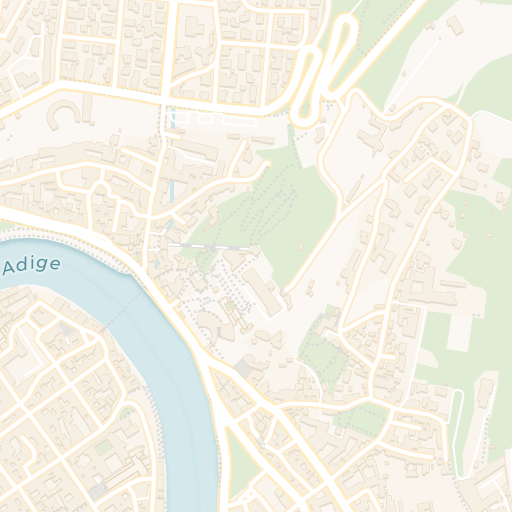
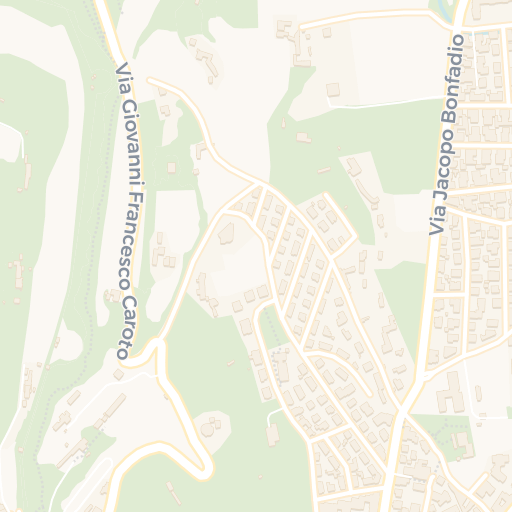


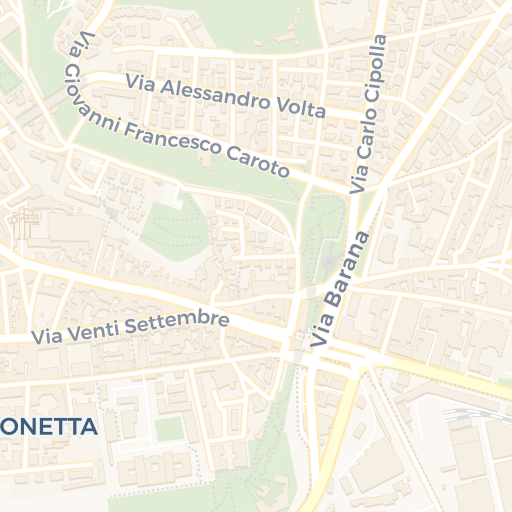
Get directions Open in Apple Maps
© OpenStreetMap contributors · © CARTO · 45.4447, 11.0044
Plan your visit
Admission: €14–€13 · Privately owned and maintained; higher than the city’s church tickets
Prices verified September 2026
The garden charges admission -- higher than most of Verona's church tickets, since it is privately owned and maintained -- and is included in the Verona Card.
What is free
Very little, and that is worth knowing before you walk over. The garden is walled: the cypress avenue, the terraces, the grottoes and the belvedere are all inside the ticket, and there is no vantage point from the street.
Admission is €14, reduced to €10 for students, Verona residents, Verona Card holders and groups. It is free for a visitor with a disability who needs a companion and for teachers accompanying a school class.
The boundary is the door on Via Giardino Giusti; everything past the entrance hall is ticketed.
It is about a ten-minute walk from Ponte Nuovo or Ponte Pietra, on the same bank as the Roman theatre and easily combined with it.
Opening hours are seasonal, closing earlier in winter. It can close in high wind, given the trees.
Allow an hour, or longer if you climb slowly and sit at the top.
The lower garden is level and accessible. The upper garden, the belvedere and the grottoes are reached by steep steps and rough paths and are not accessible.
There is little shade on the climb; bring water in summer.
Verified against Giardino Giusti, September 2026.
When to visit
April to June is the garden at its best -- everything in leaf and flower, and the climb still comfortable.
Late afternoon gives the best light along the cypress avenue and from the belvedere.
September and October are quieter and still green.
July and August are hot on an exposed limestone hillside; go early if you go then.
Winter is bare but rarely busy, and the structure of a formal garden reads more clearly without its planting.