

Ponte Pietra
Zuletzt aktualisiert am 9. November 2026Die Ponte Pietra führt Fußgänger über die Etsch, zwischen der Altstadt und dem Bereich des römischen Theaters. Schon in römischer Zeit stand hier eine Brücke, doch die fünf ungleichen Bögen, die man heute sieht, enthalten Material und Umbauten aus mehreren Epochen und haben nicht unverändert aus der Antike überdauert.
Abziehende deutsche Truppen zerstörten im April 1945 den größten Teil der Brücke. Ihr Wiederaufbau nach dem Krieg verwendete, wo möglich, aus dem Fluss geborgene Steine und Ziegel und gab der Stadt einen Übergang zurück, der Teil des Alltags geblieben ist.
Die Herausforderung für Besucher
The deck is old paving, cambered, and slick after rain, which makes it harder going than a bridge in the middle of a city looks. It is also narrow and it is a working route — residents cross it to get home — so there is nowhere to stand and look for long without being in someone's way. At sunset in season the photography clusters at the midpoint and the crossing becomes genuinely congested.
Tipps und Strategie für den Besuch
Der richtige Zeitpunkt
Sunset is the time, and it is not a close call -- the bridge faces the light along the river, with the Roman theatre and Castel San Pietro rising behind it.
Early morning is the alternative if you want it without people; it is one of the most photographed spots in Verona and the middle of the day is busy.
Spring and autumn are the pleasant seasons. The riverside has little shade and Verona is genuinely hot in July and August.
After heavy rain the Adige runs high and fast under the arches, which is worth seeing -- this is the river that has taken the bridge down more than once.
So gelingt der Besuch
Cross to the Veronetta bank and look back. The bridge photographs from the far side, with the Roman theatre and Castel San Pietro rising behind it, and not from the deck you are standing on.
On the way across, stop once at the downstream parapet and find the joint between the Roman ashlar and the medieval brick — two of the five arches are original and the change is obvious once you have seen it. Do not plan to linger mid-span at sunset in season: it is narrow, and people are crossing to get home.
Was es kostet
Nothing. It is a public street. No ticket, no gate, no opening hours — it is lit at night and used by residents crossing between the old city and the Veronetta side at every hour.
Which means the one thing most people come for costs nothing either: the view back at the bridge from the far bank, with the Roman theatre and Castel San Pietro rising behind it. The paid attractions are the two on the hill above, not the crossing.
Geprüft bei Comune di Verona, November 2026.
Anreise und Einlass
Eintritt: Kostenlos · Free public pedestrian bridge
Es gibt nichts zu organisieren
Die Ponte Pietra ist eine öffentliche Straße. Keine Karte, keine Öffnungszeiten, kein Tor — sie ist nachts beleuchtet und wird zu jeder Stunde von Anwohnern benutzt, die zwischen der Altstadt und der Veronetta-Seite wechseln. Alles Weitere betrifft den Zeitpunkt und den Untergrund, weil es sonst nichts zu entscheiden gibt.
Der Zeitpunkt
Am besten: der frühe Morgen für das Mauerwerk, wenn flaches Licht über die Fuge zwischen römischen Blöcken und Backstein streicht und den Unterschied deutlich macht. Ebenfalls gut: die Stunde vor Sonnenuntergang, wenn das Licht auf dem Hang dahinter liegt und Castel San Pietro von der Brüstung aus am besten wirkt.
Zu meiden: der Sonnenuntergang selbst in der Saison, wenn Sie stehen bleiben und schauen wollen. Die Brücke ist schmal, die Fotografierenden ballen sich in der Mitte, und sie wird zum Nadelöhr für Leute, die schlicht nach Hause wollen.
Untergrund und Zugang
Der Belag ist uneben — altes Pflaster, eine ausgeprägte Wölbung über den Bögen und abgetretener Stein, der nach Regen rutscht. Die Zugänge an beiden Enden haben Stufen oder eine Steigung. Für die meisten Besucher machbar, aber keine glatte Fläche; wer auf Rädern unterwegs ist, sollte den Weg über die Uferstraße prüfen, statt einen ebenen Übergang anzunehmen.
Was auf der anderen Seite liegt
Das Nordufer setzt Sie am Fuß des Aufstiegs zum römischen Theater und zu Castel San Pietro ab, der die natürliche Fortsetzung des Spaziergangs ist und kein eigener Ausflug.
Geprüft bei Visit Verona, Oktober 2026.
Barrierefreiheit vor Ort
Two accounts of this bridge disagree, and the difference matters if you are on wheels. Verona’s destination portal answers its own accessibility question with "the bridge is completely accessible". What we have recorded is a deck of old paving with a pronounced camber over the arches, worn stone that is slick after rain, and a step or a slope at the approaches.* Both can describe the same crossing — a tourist board calling a pedestrian bridge accessible is a coarse judgement rather than a surface survey — but we cannot reconcile them at the level of detail the decision actually needs.
So if a genuinely level crossing is essential, treat the riverside route as the safe choice rather than relying on either answer. It also happens to reach the view that makes this bridge worth the trip, which is from the far bank looking back.
No ticket, no gate, no closing time: the comune lists the bridge as an itinerary inside the pedestrian zone.
Mit * Gekennzeichnetes ist unsere eigene Einschätzung des Ortes, keine Angabe des Betreibers. Wir haben nachgefragt; seine Antwort wird sie ersetzen.
Kurzinfo
- Typ: Historischer Ort, Brücke, Römisch
- Besucherzugang: Für Besucher geöffnet
- Eintritt: Kostenlos
- Erbaut: 1st century BC; rebuilt 1957-1959
- Baustil: Römisch
- Größe: Five arches
- Verona’s only Roman bridge: Known to the Romans as the Pons Marmoreus, it is the one bridge of Roman Verona still standing; the two arches at the northern end are original, the rest rebuilt over the centuries.
- Blown up in 1945, rebuilt from the riverbed: Retreating German troops destroyed it in 1945. It was rebuilt between 1957 and 1959 using the original stones, dredged back out of the Adige.
Wo es liegt
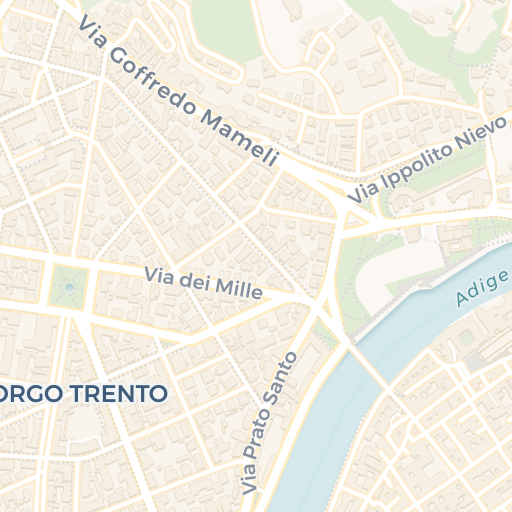
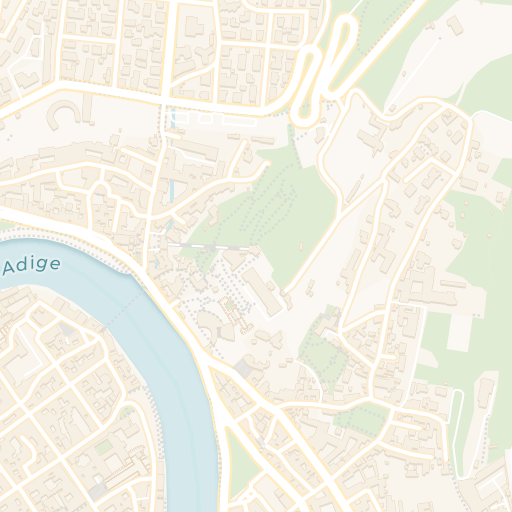
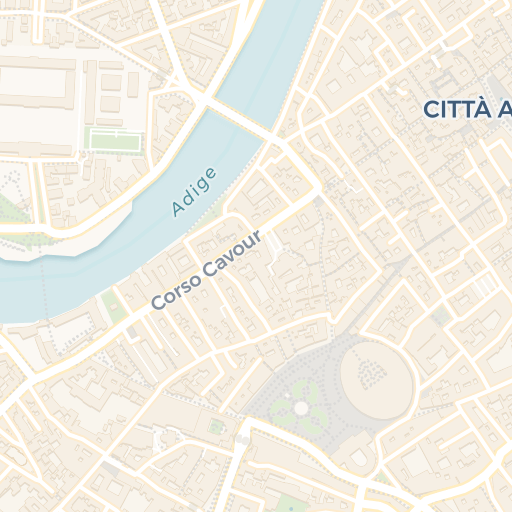
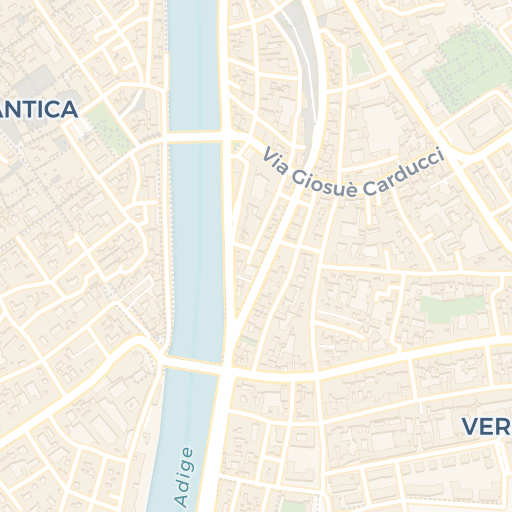
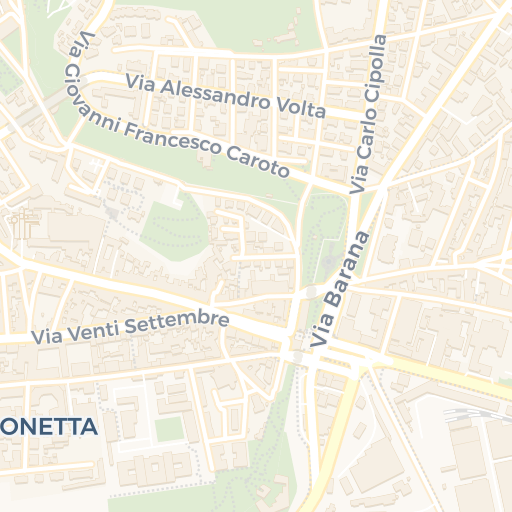
Route planen In Apple Karten öffnen
© OpenStreetMap contributors · © CARTO · 45.44785, 11.0001
Verantwortungsvoll besuchen
Die Ponte Pietra ist ein genutzter Fuß- und Radübergang und nicht nur ein Aussichtspunkt. Zu belebten Zeiten ermöglicht es Anwohnern und anderen Besuchern das Vorbeikommen, wenn man nah an den Seiten stehen bleibt statt in der Mitte, und macht aus der schmalen Brücke kein Nadelöhr.