

Ponte Pietra
Última actualización el 9 de noviembre de 2026El Ponte Pietra cruza el Adigio con los peatones entre la ciudad vieja y la zona del teatro romano. Aquí hubo un puente en época romana, pero los cinco arcos desiguales que hoy se ven contienen material y reconstrucciones de varios periodos, más que haber llegado intactos desde la Antigüedad.
Las fuerzas alemanas en retirada destruyeron la mayor parte del puente en abril de 1945. Su reconstrucción de posguerra reutilizó, donde fue posible, piedras y ladrillos recuperados del río, devolviendo un paso que sigue formando parte de la vida diaria de la ciudad.
El reto para quien visita
The deck is old paving, cambered, and slick after rain, which makes it harder going than a bridge in the middle of a city looks. It is also narrow and it is a working route — residents cross it to get home — so there is nowhere to stand and look for long without being in someone's way. At sunset in season the photography clusters at the midpoint and the crossing becomes genuinely congested.
Consejos y estrategia de visita
Cuándo ir
Sunset is the time, and it is not a close call -- the bridge faces the light along the river, with the Roman theatre and Castel San Pietro rising behind it.
Early morning is the alternative if you want it without people; it is one of the most photographed spots in Verona and the middle of the day is busy.
Spring and autumn are the pleasant seasons. The riverside has little shade and Verona is genuinely hot in July and August.
After heavy rain the Adige runs high and fast under the arches, which is worth seeing -- this is the river that has taken the bridge down more than once.
Cómo aprovecharlo al máximo
Cross to the Veronetta bank and look back. The bridge photographs from the far side, with the Roman theatre and Castel San Pietro rising behind it, and not from the deck you are standing on.
On the way across, stop once at the downstream parapet and find the joint between the Roman ashlar and the medieval brick — two of the five arches are original and the change is obvious once you have seen it. Do not plan to linger mid-span at sunset in season: it is narrow, and people are crossing to get home.
Cuánto cuesta
Nothing. It is a public street. No ticket, no gate, no opening hours — it is lit at night and used by residents crossing between the old city and the Veronetta side at every hour.
Which means the one thing most people come for costs nothing either: the view back at the bridge from the far bank, with the Roman theatre and Castel San Pietro rising behind it. The paid attractions are the two on the hill above, not the crossing.
Verificado en Comune di Verona, noviembre de 2026.
Cómo llegar y entrar
Entrada: Gratis · Free public pedestrian bridge
No hay nada que gestionar
El Ponte Pietra es una calle pública. Sin entrada, sin horario, sin verja: está iluminado de noche y lo usan los vecinos a cualquier hora para pasar entre la ciudad vieja y el lado de Veronetta. Todo lo que sigue trata del momento y del firme, porque no hay nada más que decidir.
El momento
Lo mejor: la primera hora de la mañana para la fábrica, cuando la luz rasante barre la junta entre los bloques romanos y el ladrillo y hace evidente la diferencia. También bien: la hora previa a la puesta de sol, cuando la luz da en la ladera de detrás y Castel San Pietro luce al máximo desde el pretil.
Evita la puesta de sol en sí durante la temporada si quieres pararte a mirar. El puente es estrecho, los fotógrafos se agolpan en el centro y se convierte en un cuello de botella para quien solo intenta volver a casa.
Firme y acceso
El tablero es irregular: empedrado antiguo, un peralte marcado sobre los arcos y piedra desgastada que resbala tras la lluvia. Los accesos en ambos extremos tienen escalones o rampa. Es transitable para la mayoría, pero no es una superficie lisa, y quien vaya sobre ruedas debería comprobar el itinerario por la ribera en vez de suponer un paso a nivel.
Qué hay al otro lado
La orilla norte te deja al pie de la subida al teatro romano y a Castel San Pietro, que es la continuación natural del paseo más que una excursión aparte.
Verificado en Visit Verona, octubre de 2026.
Accesibilidad del lugar
Two accounts of this bridge disagree, and the difference matters if you are on wheels. Verona’s destination portal answers its own accessibility question with "the bridge is completely accessible". What we have recorded is a deck of old paving with a pronounced camber over the arches, worn stone that is slick after rain, and a step or a slope at the approaches.* Both can describe the same crossing — a tourist board calling a pedestrian bridge accessible is a coarse judgement rather than a surface survey — but we cannot reconcile them at the level of detail the decision actually needs.
So if a genuinely level crossing is essential, treat the riverside route as the safe choice rather than relying on either answer. It also happens to reach the view that makes this bridge worth the trip, which is from the far bank looking back.
No ticket, no gate, no closing time: the comune lists the bridge as an itinerary inside the pedestrian zone.
Lo señalado con * es nuestra propia lectura del lugar, no una afirmación del gestor. Se lo hemos preguntado, y su respuesta sustituirá a la nuestra.
Datos rápidos
- Tipo: Lugar histórico, Puente, Romano
- Acceso de visitantes: Abierto a los visitantes
- Entrada: Gratis
- Construido: 1st century BC; rebuilt 1957-1959
- Estilo arquitectónico: Romano
- Dimensiones: Five arches
- Verona’s only Roman bridge: Known to the Romans as the Pons Marmoreus, it is the one bridge of Roman Verona still standing; the two arches at the northern end are original, the rest rebuilt over the centuries.
- Blown up in 1945, rebuilt from the riverbed: Retreating German troops destroyed it in 1945. It was rebuilt between 1957 and 1959 using the original stones, dredged back out of the Adige.
Dónde está
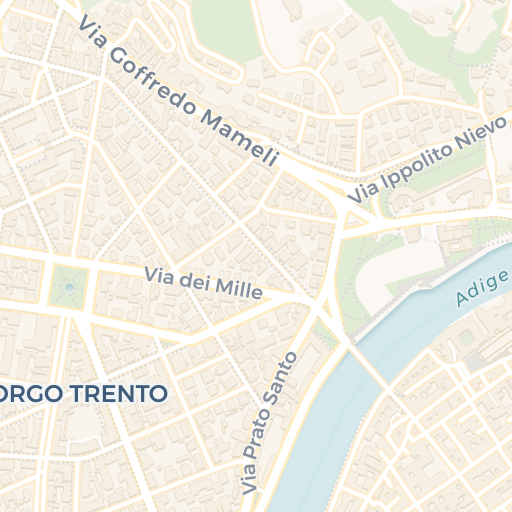
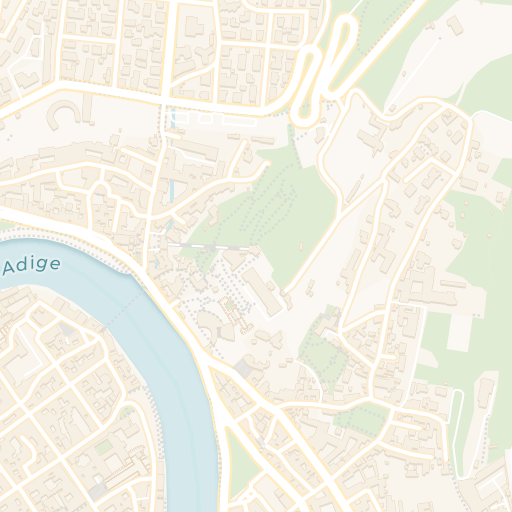
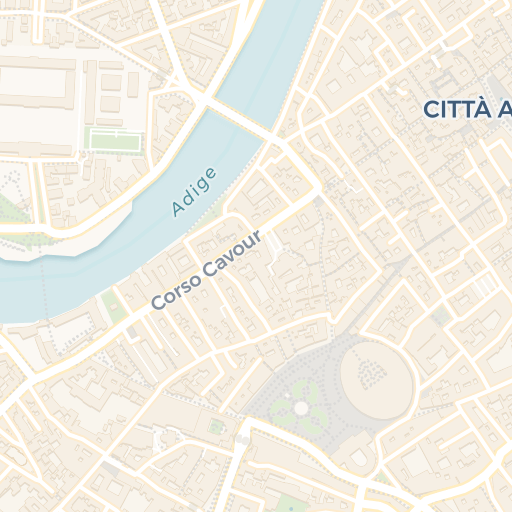
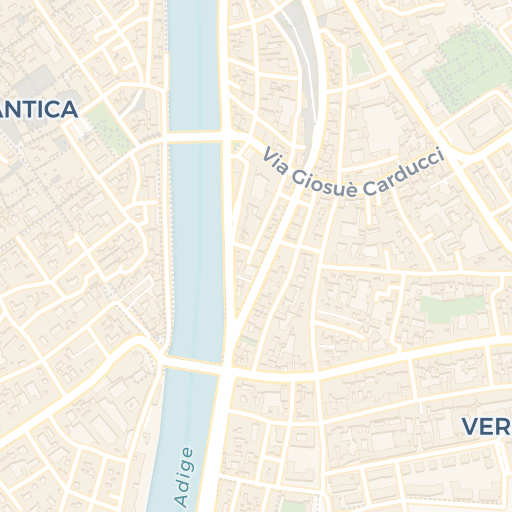
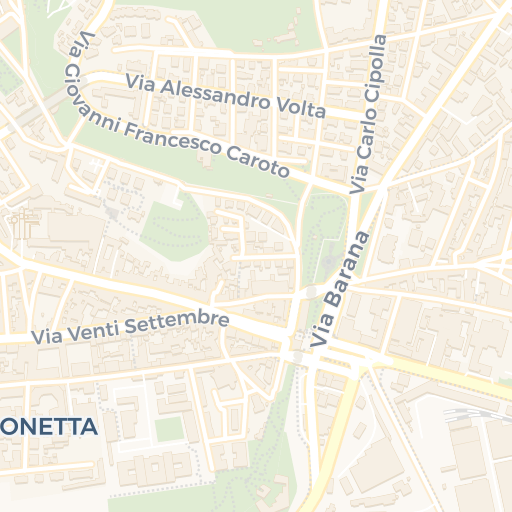
Cómo llegar Abrir en Apple Maps
© OpenStreetMap contributors · © CARTO · 45.44785, 11.0001
Visita responsable
El Ponte Pietra es un paso peatonal y ciclista en uso además de un mirador. En horas de afluencia, detenerse cerca de los lados en vez de en el centro permite pasar a vecinos y a otros visitantes sin convertir el estrecho puente en un cuello de botella.