

Ponte Pietra
Dernière mise à jour le 9 novembre 2026Le Ponte Pietra fait passer les piétons au-dessus de l’Adige, entre la vieille ville et le quartier du théâtre romain. Un pont se dressait ici à l’époque romaine, mais les cinq arches inégales visibles aujourd’hui contiennent des matériaux et des reconstructions de plusieurs époques plutôt qu’elles n’ont traversé l’Antiquité sans changement.
Les forces allemandes en retraite ont détruit l’essentiel du pont en avril 1945. Sa reconstruction d’après-guerre a réemployé, autant que possible, pierres et briques récupérées dans le fleuve, rendant à la ville une traversée qui reste inscrite dans la vie quotidienne.
La difficulté pour les visiteurs
The deck is old paving, cambered, and slick after rain, which makes it harder going than a bridge in the middle of a city looks. It is also narrow and it is a working route — residents cross it to get home — so there is nowhere to stand and look for long without being in someone's way. At sunset in season the photography clusters at the midpoint and the crossing becomes genuinely congested.
Conseils et stratégie de visite
Quand y aller
Sunset is the time, and it is not a close call -- the bridge faces the light along the river, with the Roman theatre and Castel San Pietro rising behind it.
Early morning is the alternative if you want it without people; it is one of the most photographed spots in Verona and the middle of the day is busy.
Spring and autumn are the pleasant seasons. The riverside has little shade and Verona is genuinely hot in July and August.
After heavy rain the Adige runs high and fast under the arches, which is worth seeing -- this is the river that has taken the bridge down more than once.
En profiter vraiment
Cross to the Veronetta bank and look back. The bridge photographs from the far side, with the Roman theatre and Castel San Pietro rising behind it, and not from the deck you are standing on.
On the way across, stop once at the downstream parapet and find the joint between the Roman ashlar and the medieval brick — two of the five arches are original and the change is obvious once you have seen it. Do not plan to linger mid-span at sunset in season: it is narrow, and people are crossing to get home.
Ce que ça coûte
Nothing. It is a public street. No ticket, no gate, no opening hours — it is lit at night and used by residents crossing between the old city and the Veronetta side at every hour.
Which means the one thing most people come for costs nothing either: the view back at the bridge from the far bank, with the Roman theatre and Castel San Pietro rising behind it. The paid attractions are the two on the hill above, not the crossing.
Vérifié auprès de Comune di Verona, novembre 2026.
S'y rendre et entrer
Entrée: Gratuit · Free public pedestrian bridge
Il n’y a rien à organiser
Le Ponte Pietra est une voie publique. Pas de billet, pas d’horaires, pas de grille — il est éclairé la nuit et emprunté à toute heure par les habitants qui passent entre la vieille ville et le côté Veronetta. Tout ce qui suit porte sur le moment et sur le sol, car il n’y a rien d’autre à décider.
Le moment
Le mieux : le petit matin pour la maçonnerie, quand la lumière rasante balaie le joint entre les blocs romains et la brique et rend la différence évidente. Bon aussi : l’heure avant le coucher du soleil, quand la lumière est sur le coteau derrière et que Castel San Pietro est au mieux depuis le parapet.
À éviter : le coucher du soleil lui-même en saison si vous voulez vous arrêter et regarder. Le pont est étroit, les photographes se massent au milieu, et il devient un goulet pour des gens qui cherchent simplement à rentrer chez eux.
Sol et accès
Le tablier est inégal — vieux pavage, bombement marqué au-dessus des arches et pierre usée qui glisse après la pluie. Les accès aux deux extrémités comportent des marches ou une pente. C’est praticable pour la plupart des visiteurs mais ce n’est pas une surface lisse, et qui se déplace sur roues a intérêt à vérifier l’itinéraire par les quais plutôt qu’à supposer une traversée de plain-pied.
Ce qu’il y a en face
La rive nord vous dépose au pied de la montée vers le théâtre romain et Castel San Pietro, qui est le prolongement naturel de la promenade plutôt qu’une sortie distincte.
Vérifié auprès de Visit Verona, octobre 2026.
Accessibilité du lieu
Two accounts of this bridge disagree, and the difference matters if you are on wheels. Verona’s destination portal answers its own accessibility question with "the bridge is completely accessible". What we have recorded is a deck of old paving with a pronounced camber over the arches, worn stone that is slick after rain, and a step or a slope at the approaches.* Both can describe the same crossing — a tourist board calling a pedestrian bridge accessible is a coarse judgement rather than a surface survey — but we cannot reconcile them at the level of detail the decision actually needs.
So if a genuinely level crossing is essential, treat the riverside route as the safe choice rather than relying on either answer. It also happens to reach the view that makes this bridge worth the trip, which is from the far bank looking back.
No ticket, no gate, no closing time: the comune lists the bridge as an itinerary inside the pedestrian zone.
Ce qui est marqué d'un * relève de notre propre lecture du lieu, et non d'une déclaration de l'exploitant. Nous le lui avons demandé, et sa réponse remplacera la nôtre.
Informations essentielles
- Type: Lieu historique, Pont, Romain
- Accès visiteurs: Ouvert aux visiteurs
- Entrée: Gratuit
- Construit: 1st century BC; rebuilt 1957-1959
- Style architectural: Romain
- Taille: Five arches
- Verona’s only Roman bridge: Known to the Romans as the Pons Marmoreus, it is the one bridge of Roman Verona still standing; the two arches at the northern end are original, the rest rebuilt over the centuries.
- Blown up in 1945, rebuilt from the riverbed: Retreating German troops destroyed it in 1945. It was rebuilt between 1957 and 1959 using the original stones, dredged back out of the Adige.
Où se trouve-t-il
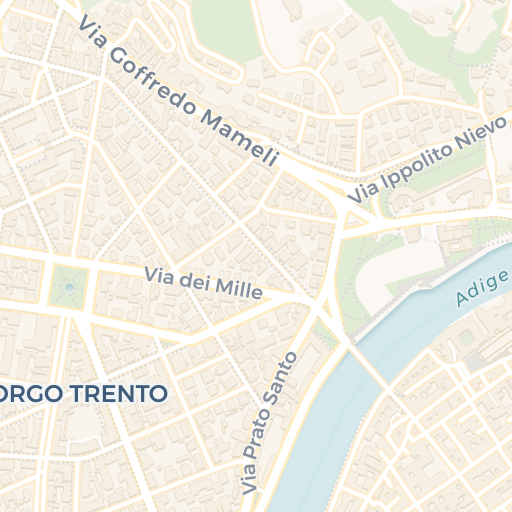
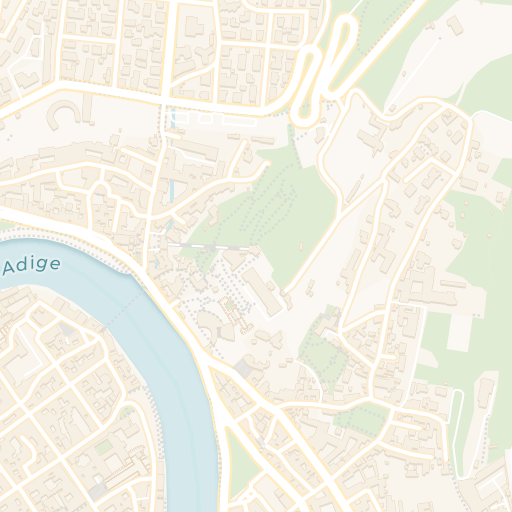
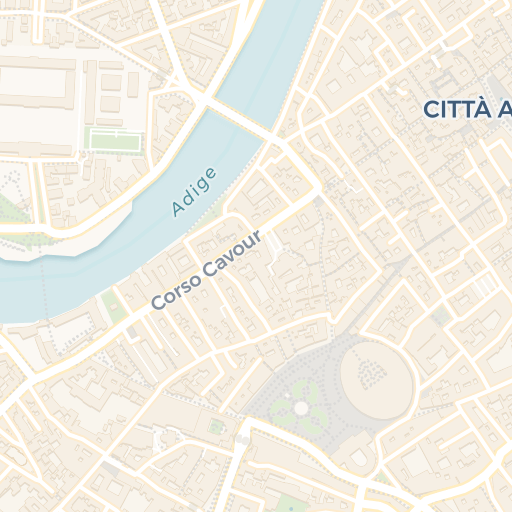
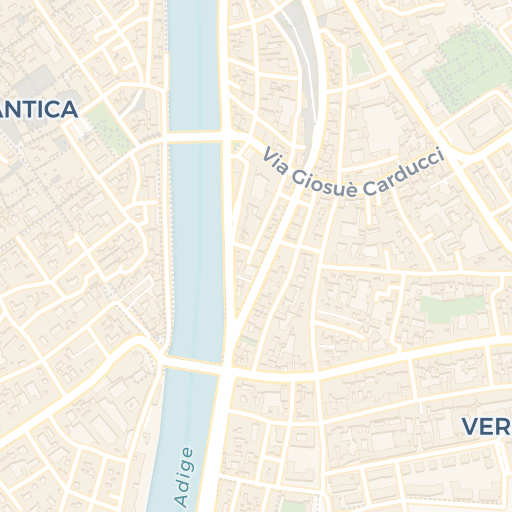
Itinéraire Ouvrir dans Apple Plans
© OpenStreetMap contributors · © CARTO · 45.44785, 11.0001
Visite responsable
Le Ponte Pietra est une traversée piétonne et cyclable en service autant qu’un point de vue. Aux heures chargées, s’arrêter près des bords plutôt qu’au milieu permet aux habitants et aux autres visiteurs de passer sans transformer ce pont étroit en goulet.