

Criptopórtico de Corte Sgarzerie
Última actualización el 9 de noviembre de 2026A un minuto de la piazza delle Erbe, bajo un pequeño patio por el que casi todos pasan de largo, corre una galería romana abovedada del siglo I a. C.
Es un criptopórtico: una arcada medio enterrada cuya función era estructural. El foro de Verona se asentaba en terreno en pendiente, y esta galería se construyó para sostener y nivelar la terraza sobre la que se levantó el Capitolio, el templo de Júpiter, Juno y Minerva.
El patio de arriba se llama Corte Sgarzerie por el comercio de la lana que allí trabajó durante siglos, y la logia sobre la entrada lleva el nombre del mangano, la prensa que acababa el paño.
El acceso es irregular, que es lo principal que hay que saber.
El reto para quien visita
Access is limited and irregular. The gallery is not on daily hours: it is unlocked for guided visits, heritage days and occasional events, and arriving to find it shut is the common experience rather than the unlucky one. The space itself is enclosed, low and artificially lit, reached by steps with uneven footing — it is not accessible, and it is not for anyone uncomfortable underground.
Consejos y estrategia de visita
Cuándo ir
Whenever it is open -- that is genuinely the constraint here, and it is worth building a visit around an announced opening rather than hoping.
Heritage weekends in spring and autumn are the most reliable occasions, when Verona opens sites that are otherwise closed.
Summer has the practical appeal of being underground and cool while the city above is severe.
The courtyard can be seen at any hour, in any season.
Cómo aprovecharlo al máximo
Ring ahead or check the municipal archaeology programme, and treat an announced opening as the thing you build the visit around. The gallery is unlocked for guided visits, heritage days and occasional events, not on daily hours, and turning up to find it shut is the common experience.
Go into the courtyard above even if the gallery below is closed — it is public, always open, and the loggia is worth the two minutes on its own. If you do get down, the thing to understand is that this is not a cellar: it is the retaining structure that held up the terrace the Capitolium stood on. Steps, uneven footing, low light; wear something sensible.
Cuánto cuesta
Nothing, at the weekend. The association that runs the site opens it every Saturday and Sunday from 09:00 to 13:00 with free admission — this is ordinary scheduled opening, not an occasional event, which is worth saying because this site has a reputation for being shut.
A guided visit costs €8 per person as a contribution to the association. Accompanied children under seven go free and those aged seven to fourteen pay €5; over-65s and university groups pay the same reduced rate. Groups of more than ten are asked to arrange it by email rather than arrive.
Book even though it is free. The operator warns that capacity is very limited and strongly advises reserving a place at archeonaute@gmail.com. A free site with a small footprint can fill, and there is no second room to wait in.
Outside the weekend it opens on request. The association will arrange opening and a guided visit on other weekdays for individuals or small groups, given several days' notice by email, and says it accommodates what it can.
Verificado en Archeonaute, noviembre de 2026.
Cómo llegar y entrar
Entrada: Gratis
El acceso es limitado e irregular. El sitio no abre con horario diario de museo; se abre para visitas guiadas, jornadas de patrimonio y actos ocasionales.
Consulta con la oficina de turismo de Verona o con el programa municipal de arqueología antes de desplazarte por él. Presentarse y encontrarlo cerrado es la experiencia común.
El patio de arriba es público y está siempre abierto, y merece dos minutos por sí solo, por la logia, aun cuando la galería de debajo no sea accesible.
Está a un minuto a pie de la piazza delle Erbe, por la via Pellicciai.
Calcula treinta minutos cuando hay visita.
La galería es subterránea y se llega por escalones, con piso irregular y poca luz. No es accesible, y conviene calzado sensato.
Accesibilidad del lugar
Nobody publishes how you get down there, and that is the honest answer. This is a half-buried Roman gallery entered from a courtyard, and the association that opens it describes the address, the hours and the booking address but not the route in. Its page carries a heading reading "Accessibilità e servizi", which looks like an accessibility statement and is not — everything underneath it is opening information.
What is known is the shape of the place. The archaeological area sits below the courtyard at Corte Sgarzerie 8p, and the operator warns that its capacity is very limited — a confined underground space with one way in and out, which is worth weighing if confined spaces or crowding are a problem.
Not published, and not guessed: whether the descent is by stair, ramp or lift, what the surface is underfoot, and whether a wheelchair can be accommodated at all. The association answers at archeonaute@gmail.com and arranges openings by email anyway, so the access question and the booking are one message.
The courtyard above is public, open at all hours and level, and its loggia is worth the two minutes on its own even when the gallery below is shut.
Datos rápidos
- Tipo: Lugar histórico
- Entrada: Gratis
- Reserva: No hace falta — entradas en taquilla
- Visita típica: Unos 25 minutos
- Construido: 1st century BC
- Construido para: levelling the terrace of the Capitolium
- Estilo arquitectónico: Romano
- A foundation that outlived its temple: The Capitolium above is entirely gone, quarried and built over. Its substructure survived precisely because it was underground and still useful.
- Named after finishing cloth: Sgarzerie comes from garzare, raising the nap on wool with teasels; the Loggia del Mangano above is named for the press that finished it. A medieval wool yard sits on a Roman temple platform.
- Patrimonio de la Humanidad de la UNESCO: Sí
Dónde está
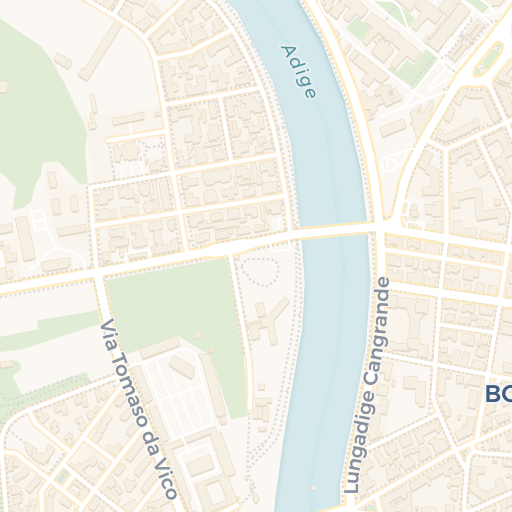
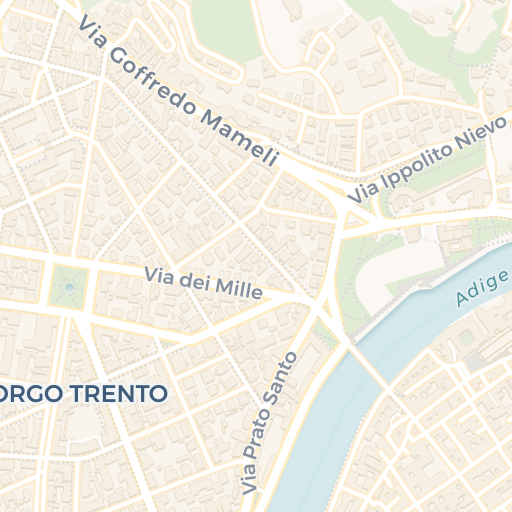
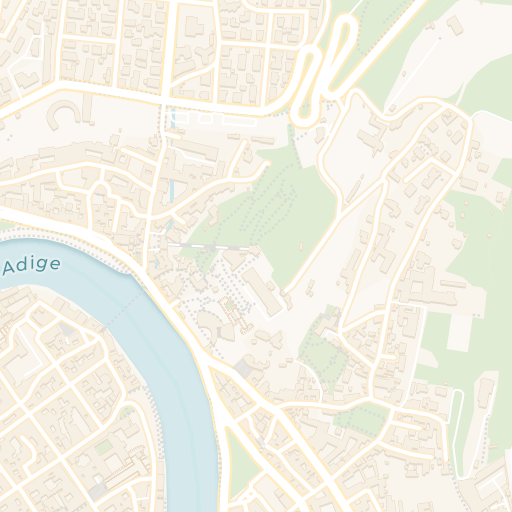
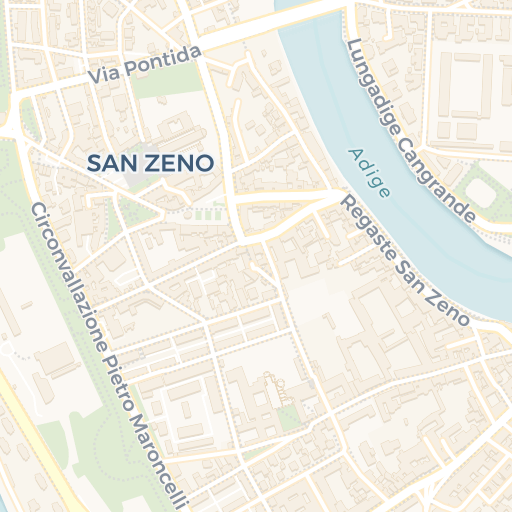
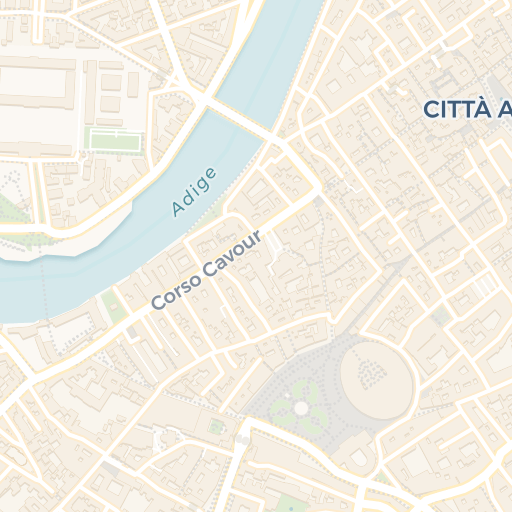
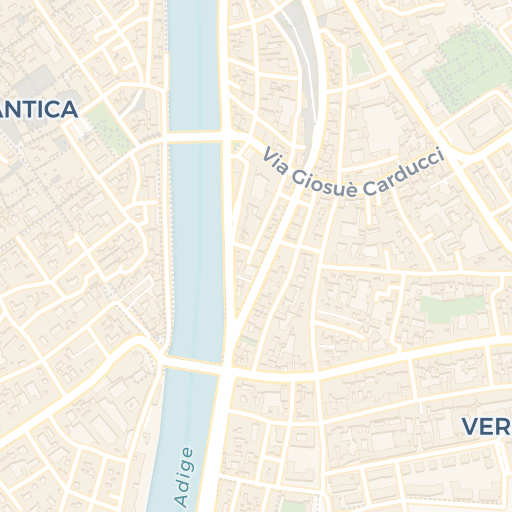
Cómo llegar Abrir en Apple Maps
© OpenStreetMap contributors · © CARTO · 45.4428, 10.9964
Visita responsable
Este es un yacimiento pequeño y poco gestionado, no un museo con personal. Cuando está abierto suele ser porque lo han abierto voluntarios o arqueólogos municipales: quédate con el grupo y haz lo que te pidan.
No toques las bóvedas ni los pilares. El ladrillo y el mortero romanos en un espacio subterráneo húmedo son más frágiles de lo que parecen.
Sin flash donde te lo pidan, y mantente en el recorrido marcado; el suelo es irregular y en parte original.
El patio de arriba está rodeado de viviendas y negocios. Baja la voz, sobre todo en grupo.
Acudir a las aperturas anunciadas es lo que demuestra que hay demanda para que un sitio así siga siendo accesible.