

Teatro Romano y Museo Arqueológico
Última actualización el 9 de noviembre de 2026Horarios verificados noviembre de 2026
Verona tiene dos edificios romanos de espectáculos, y la mayoría de los visitantes solo encuentra uno. La Arena es el anfiteatro, para los juegos; el Teatro Romano, en la orilla opuesta del Adigio bajo Castel San Pietro, es el teatro, para el drama.
Se construyó a finales del siglo I a. C., quedó enterrado bajo casas durante siglos y se excavó a partir de la década de 1830 gracias a un comerciante veronés que compró los edificios que tenía encima y los hizo derribar.
Sobre las gradas, en un antiguo convento, está el Museo Arqueológico. El teatro sigue acogiendo obras cada verano, que es la mejor manera de verlo.
El reto para quien visita
Closed Mondays, and in summer the theatre is a stage. From June the cavea is fitted with a modern platform for the Estate Teatrale Veronese, the Shakespeare festival it has run for decades, and the monument is visited around the programme rather than instead of it. The Arena does the same thing and everyone knows; here it surprises people.
The quieter half of the trap is the clock. The museum shuts at 18:00 and the last entry is 17:30 — early for a site most visitors reach late in the day, after the climb to Castel San Pietro above it.
Verificado en Comune di Verona, noviembre de 2026.
Consejos y estrategia de visita
Cuándo ir
Late afternoon is the best light over the river and the city from the cavea, and the hillside is cooler by then.
Summer evenings during the theatre season are the point of the place -- seeing a play in the building it was designed for is a different experience from touring the ruin.
Spring and autumn are the comfortable seasons for the climb; the site is exposed and Verona is severe in July and August.
Mornings are quietest, though the site opens later on Mondays.
Cómo aprovecharlo al máximo
Climb through to the museum rather than stopping at the ruin. One ticket covers the theatre and the archaeological museum above it, the climb up through the former convent is part of the visit, and the terrace at the top gives the view back across the Adige to the old city that the cavea cannot.
Last admission is 17.30. If the climb is the problem, the whole cavea is visible free from Ponte Pietra and the far bank, and Castel San Pietro looks straight down into it — that view shows what the building is better than standing in it does.
Cuánto cuesta
One ticket covers the theatre and the Archaeological Museum above it, in the former convent — they are not separable, and the museum is the better half more often than visitors expect.
- €9.00 full
- €6.00 reduced — groups of fifteen or more, over-65s, Veneto MyCARD holders, specific agreements
- €2.00 for 18–25s — EU citizens, and non-EU on a reciprocity basis (currently Norway, Switzerland, Liechtenstein, Iceland and Uruguay)
- Free — under-18s, with under-14s accompanied; disabled visitors and their companion
€1 on the first Sunday of the month, November to March. That rate applies across Verona's civic museums in the winter half of the year, and it is the cheapest way to see this one.
Buy online at verona.coopculture.it or at the ticket office at the museum entrance. Anyone claiming a reduction or a free entry has to show the document that justifies it on the way in.
Verificado en Visit Verona, octubre de 2026.
Cómo llegar y entrar
Entrada: €9 · Reduced €6.00 for groups of 15+, over-65s and Veneto MyCARD; 18–25s €2.00; free under 18 and for disabled visitors with a companion
Precios verificados en noviembre de 2026
Una sola entrada cubre el teatro y el museo, y ambos están incluidos en la Verona Card.
Qué es gratis
Del teatro se ve mucho sin pagar. La ruina mira al río, y toda la cávea se ve desde Ponte Pietra y desde la orilla opuesta — ambos gratuitos —, que es la vista que enseña de verdad qué es el edificio.
Castel San Pietro, en la terraza justo encima, también es gratuito y mira directamente hacia dentro.
El billete empieza en la verja del lado del río y cubre el suelo del teatro, la subida por las gradas y el museo arqueológico del convento de arriba.
Está al otro lado del Ponte Pietra desde el centro, a unos diez minutos a pie de la piazza delle Erbe, y se combina de forma natural con el puente y con Castel San Pietro arriba.
El recinto cierra los lunes por la mañana y tiene horario estacional; durante el festival de verano el propio teatro puede estar cerrado a las visitas diurnas mientras se monta el escenario, así que conviene comprobarlo si la ruina es tu interés principal.
Calcula de una hora a hora y media con el museo.
Este es un recinto en ladera, empinado y escalonado, sobre piedra antigua irregular. No es accesible en silla de ruedas y resulta duro para quien tenga movilidad reducida. Hay ascensor en parte del museo.
Lleva calzado adecuado; la piedra resbala cuando está mojada.
Verificado en ArcheoVeneto, noviembre de 2026.
Accesibilidad del lugar
Free entry for a disabled visitor and their companion.
This is a Roman theatre cut into a hillside, and the site climbs: the cavea rises in stone tiers from the river level, and the Archaeological Museum sits above the seating in a former convent reached from the top of it. Expect height gain and historic stone throughout.
Not published, and not guessed: whether a lift serves the museum above the cavea, and whether any step-free route reaches the theatre floor. The museum service publishes an accessibility declaration and answers enquiries — ask before you travel, and we will record what they say.
Verificado en ArcheoVeneto, noviembre de 2026.
Datos rápidos
- Tipo: Lugar histórico
- Entrada: €9
- Reserva: No hace falta — entradas en taquilla
- Visita típica: Una hora y 30 minutos
- Construido: Late 1st century BC; excavated from the 1830s
- Estilo arquitectónico: Romano
- Verona’s other Roman building: The Arena is an amphitheatre, for games; this is a theatre, for drama. It uses the hillside to carry its tiers, the Greek solution, rather than standing free like the Arena.
- Dug out at one man’s expense: The site had vanished under houses. From the 1830s the Veronese merchant Andrea Monga bought the buildings covering it and demolished them himself to excavate what lay beneath.
- Patrimonio de la Humanidad de la UNESCO: Sí
Dónde está
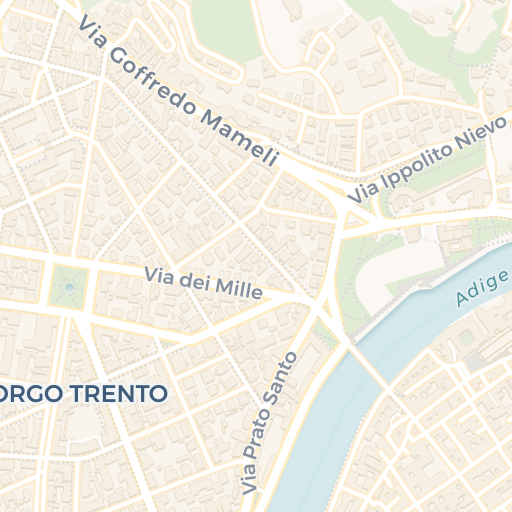
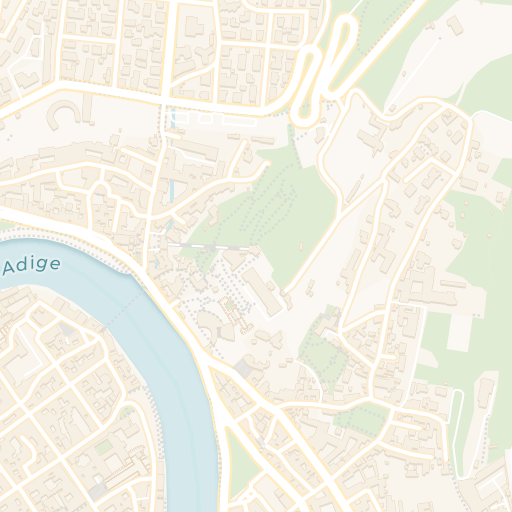
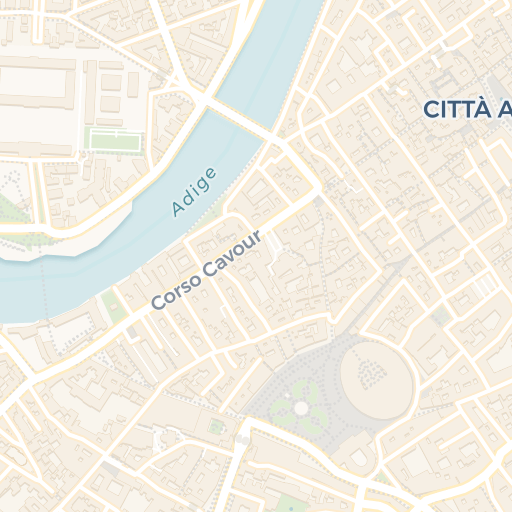
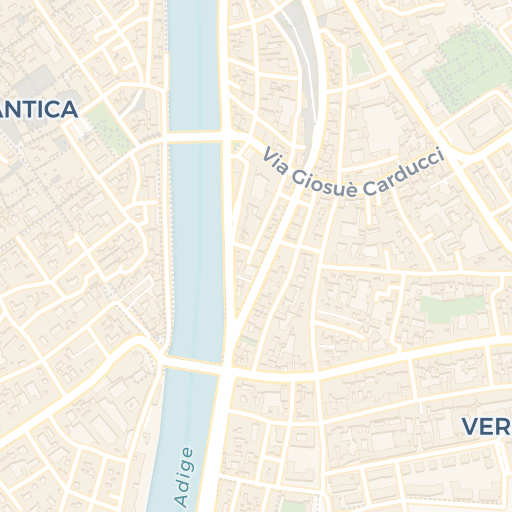
Cómo llegar Abrir en Apple Maps
© OpenStreetMap contributors · © CARTO · 45.4472, 11.0011
Visita responsable
La fábrica romana es la pieza expuesta y se pisa buena parte de ella. Mantente en los recorridos señalizados y no trepes por el edificio escénico arruinado ni por las subestructuras.
No te lleves nada, tampoco fragmentos sueltos: esto sigue siendo un yacimiento arqueológico.
La ladera de arriba es residencial. Baja la voz, sobre todo al salir de las funciones nocturnas.
Combinar la entrada con la Verona Card sostiene los museos más pequeños de la ciudad, mucho menos visitados que este.
Llega a pie por el Ponte Pietra en vez de en coche; las calles de esta orilla son estrechas y en buena medida residenciales.