

Jama Masjid
Last updated on October 19, 2026Why visit Jama Masjid
Jama Masjid makes the scale of Shah Jahan’s planned capital tangible. The climb from Old Delhi’s lanes opens suddenly into a vast courtyard, while red sandstone, white marble and two striped minarets frame a mosque that has remained in active use since the seventeenth century.
Crowds and prayer closures are the main friction. Arrive outside congregational periods, keep the visit flexible and let worship take priority over a fixed sightseeing plan.
Visit if you:
- want to understand the religious and civic centre of Mughal Shahjahanabad
- value a living worship space more than a museum-like monument
- enjoy reading a city from an elevated courtyard
Skip it if you:
- cannot observe barefoot entry, modest dress and prayer-time restrictions
- want quiet architectural study during major congregational periods
Quick facts
- Type: Mosque, Sacred Place, Historic Place
- Visitor access: Open to visitors
- Reservation: Not required — tickets on the door
- Built: 1644–1656
- Built by: Mughal emperor Shah Jahan
- Built for: Congregational and imperial mosque of Shahjahanabad
- Architectural style: Mughal and Indo-Islamic
- Denomination: Sunni Islam
- Height: 41 m
- Capacity: 25000
- Prayer hall: 61 × 27 m
- Main materials: Red sandstone and marble
Visit responsibly
This is an active congregational mosque. Pause when the call to prayer begins, keep worship routes open and never photograph someone at prayer without clear permission.
Thousands of bare feet cross the courtyard. Use the shoe arrangements provided instead of leaving footwear where it obstructs a gate or stair.
The surrounding lanes are working markets, not a tourist set. Keep groups compact, buy photographs or services only after agreeing terms and avoid blocking shopfronts while framing the mosque.
Where it is
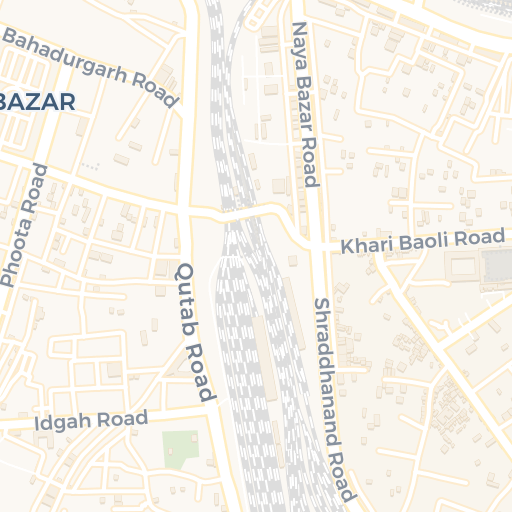
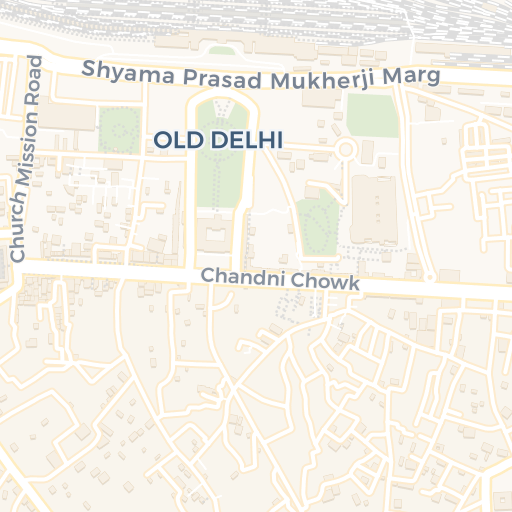
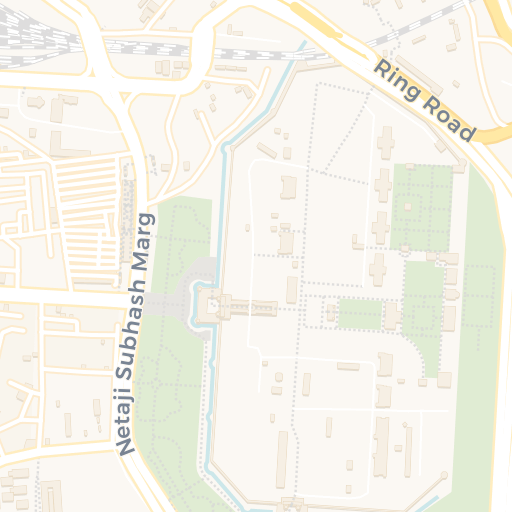
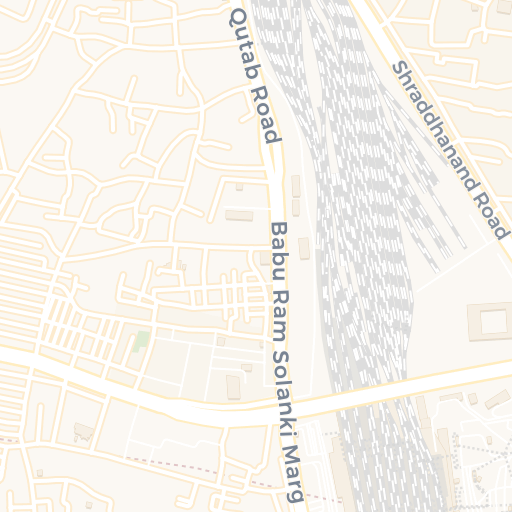
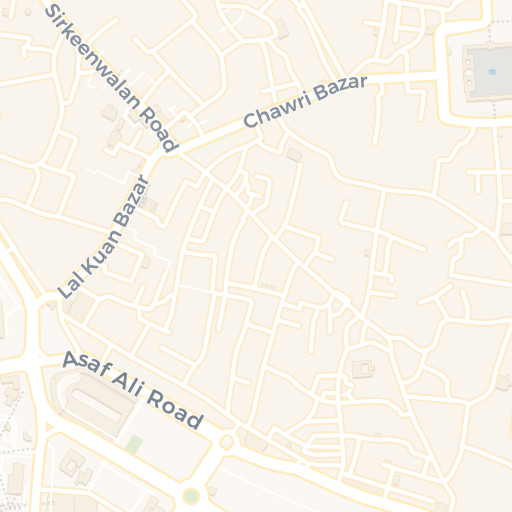
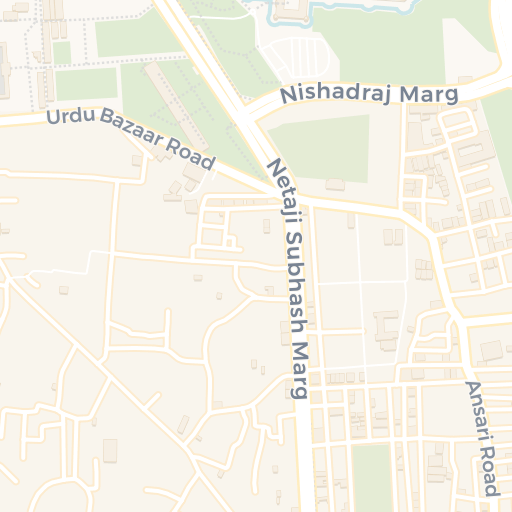
Get directions Open in Apple Maps
© OpenStreetMap contributors · © CARTO · 28.65068, 77.23296
Plan your visit
Plan around worship
Delhi Tourism lists daily tourist access, with separate visitor arrangements and a charge for foreign tourists. The mosque closes sightseeing access around prayers and admits only devotees after sunset for the night prayer. Verify the current rules at the entrance before committing to a particular time.
What is free
Delhi Tourism states that entry for Indian visitors is free. Everyone can see the mosque’s exterior and stairs from the surrounding Old Delhi streets without entering.
Remove shoes, dress modestly and follow attendants’ directions. Photography rules can change by area and during worship; a device or minaret fee should never be assumed from an old guide.
Verified against Delhi Tourism, October 2026.
When to visit
October through March usually offers the easiest conditions. Delhi's 1991–2020 Safdarjung normals show cooler winters, rising heat from April through June and most annual rain from July through September.
Jama Masjid is a mix of an exposed courtyard, steep outdoor approaches and a covered prayer hall. In hot weather, arrive early and carry water where site rules allow it. Winter can bring haze and poor air quality, so check current public guidance if visibility or respiratory health matters to the visit.